






Navigating North American Auto Auctions: How Tools Like Copart and CARFAX Protect Your Investment

Learn how to navigate North American auto auctions with confidence. Discover how tools like Copart and CARFAX help buyers assess vehicle history, minimize risks, and make informed investment decisions.
In recent years, the global automotive market has changed significantly. When buying a car, you'd typically go to your local dealership or check out classified ads in the newspaper. However, smart buyers and importers from all over the world consistently look towards the North American automotive secondary market to find great deals. The worldwide appeal of this access to such a large quantity and variety of high-quality manufactured vehicles at competitive pricing is understandably large.
Yet even with this opportunity, if you do not have extensive knowledge and tools to help you navigate the complicated and diverse Internet used/salvage platforms, your chances of successfully purchasing vehicles will drastically decrease. For example, if you want to purchase a salvage, clean, or repossessed vehicle through an online source, using something like Copart allows you to bid on all types of vehicles and large amounts of them without ever having to leave your computer or smartphone. This has brought more equality to the automotive trading marketplace since there no longer exists a small group of automotive dealers and tradesmen using inside connections to obtain vehicles in a global automotive trade market.
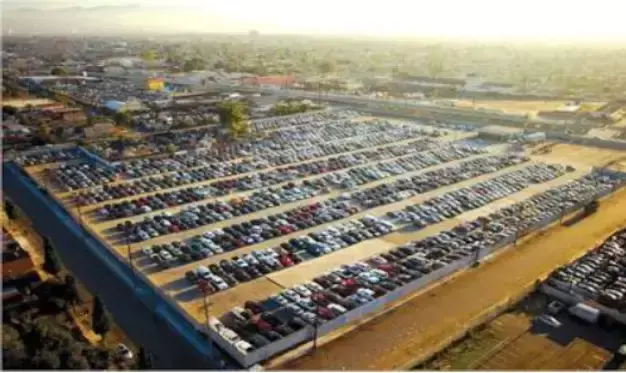
An average high-volume North American salvage auto auction yard. Source: Copart
Purchasing a car from an internet-based auction presents inherent risks due to location and the lack of physical inspection. Consumers can reduce the risk associated with that type of purchasing by using data transparency, such as obtaining a full history report (CARFAX), prior to bidding or buying the vehicle. Combining the two analytical steps of locating a vehicle and fully vetting its history is the backbone of a safe, profitable vehicle purchasing plan.
The Mechanics of Online Auto Auctions
An online auto auction serves as a clearinghouse for insurance companies, rental car companies, fleet operators, banks, and more. When a car has been involved in an accident or a corporation wants to refresh their fleet, the car will go through one of these types of auctions.
For a prospective buyer of any type of vehicle, it is important to understand the ways in which these auto auctions categorize vehicles in order to make the best buying decision.
1. Title Status Categories
- A vehicle with a clean title has not been declared a total loss by the insurance company; however, the vehicle may still have some minor damage or wear, but will experience fewer legal restrictions when registering on the road.
- A vehicle with a salvage title is a vehicle where an insurance company has determined that the cost of repairing the vehicle exceeds a certain percentage of the vehicle's actual cash value. A salvage vehicle cannot be driven legally until the vehicle passes a state or regional safety inspection and is given a "rebuilt" status.
- A vehicle with a certificate of destruction or junk title is only for use when the vehicle will be taken apart or recycled, and in the majority of jurisdictions, it cannot be rebuilt and registered back in the system.
2. Bidding Dynamics
A majority of modern auto auctions utilise a two-part bidding format: an initial open preliminary bidding period and a fast-paced real-time virtual auction. The preliminary stage allows potential buyers to enter max proxy bids for several days. The live auction will begin when bidding has completed during the preliminary phase. An automated virtual auctioneer manages bids in real time and sells vehicles to buyers across the globe approximately every few seconds. Success in this high-speed environment requires proper preparation, a strict budget, and complete background information.
Decoding Vehicle History: The Digital Footprint
The exterior aesthetic of a vehicle can make them very misleading. A car that has had serious flood damage or has structural issues can look great after using modern auto detailing techniques and being photographed for an auction at a high resolution. Therefore, there must be a means to be able to verify if there are any problems with the vehicle through the use of independent verification sources.
Essential measures to validate the mechanical and historical condition of an automobile. Source: Bizupon
All vehicles produced for sale in North America have a 17-character vehicle identification number (VIN). The VIN serves as a biometric fingerprint, creating a historical record by gathering information from law enforcement agencies, insurance companies, body repair shops, and motor vehicle agencies for the entire length of time that the vehicle is operational.
Critical Warning Signs in History Reports
When analyzing a vehicle history report, seasoned buyers look past the basic make and model verification to spot specific red flags:
- Odometer Discrepancies: If a vehicle logs 50,000 miles in 2023 but shows 35,000 miles during an inspection in 2025, it points toward odometer tampering or a severe reporting error.
- Title Washing: Unscrupulous sellers sometimes move salvage vehicles across state lines to exploit legal loopholes that mistakenly reissue a clean title. Tracking the chronological registration history uncovers this fraud.
- Structural or Frame Damage: Compromises to a car's structural pillars, chassis, or crumple zones permanently alter its safety profile. A vehicle with frame damage will never protect passengers in a secondary collision the way the manufacturer intended.
- Airbag Deployment: Airbag replacement is exceptionally expensive. If a history report notes deployment but the auction listing claims minor mechanical issues, there is a high probability that the safety systems were never properly restored.
Constructing a Foolproof Purchasing Workflow
To consistently secure high-quality vehicles while avoiding costly logistical mistakes, buyers should implement a strict, repeatable framework for every single transaction.
Step 1: Budget Realistically Beyond the Bid
The final hammer price at an auction is only a fraction of the total cost of ownership. Buyers must factor in buyer fees (which scale based on the vehicle's price), gate fees, local sales taxes, and domestic inland transport to a residence or shipping port. If you are importing internationally, ocean freight, customs clearance duties, and compliance modifications will add thousands more to the final bottom line.
Step 2: Cross-Reference Multiple Data Streams
Do not take for granted one source of information alone. Check to see if there are old photos of the same vehicle, including from online services that let you check the VIN of the vehicle, on "open-sourced" databases. It is not unusual to find that old instruments have been repaired poorly and/or inadequately before being made available to you through other means.
Step 3: Hire an Independent Inspector
When investing a lot of money in a vehicle, it’s wise to hire a local, independent third-party inspector to inspect the auction yard for you. This type of professional will be able to verify if the engine turns over, if any fluids are leaking, and whether there is any hidden rust that can affect the frame, as well as perform diagnostics on all of the electronic systems within the car.
Conclusion: Balancing Risk and Reward
Buying vehicles from North American auctions provides access to low cost transport, project cars, and commercial inventory. However, caveat emptor ("Let the buyer beware") governs how the online auction marketplace works; as soon as the digital gavel goes down, the transaction is legally binding, and the buyer takes all liabilities associated with that acquisition.
Purchasers can eliminate the uncertainty of sourcing vehicles on the Internet by using transactional platforms in conjunction with comprehensive history verification tools. Automotive data is a valuable protection against potential pitfalls and should be considered an investment; it allows purchasers to turn uncertain auction risks into predictable and highly profitable opportunities.


