
Babul Supriyo reflects on real singing in the AI era

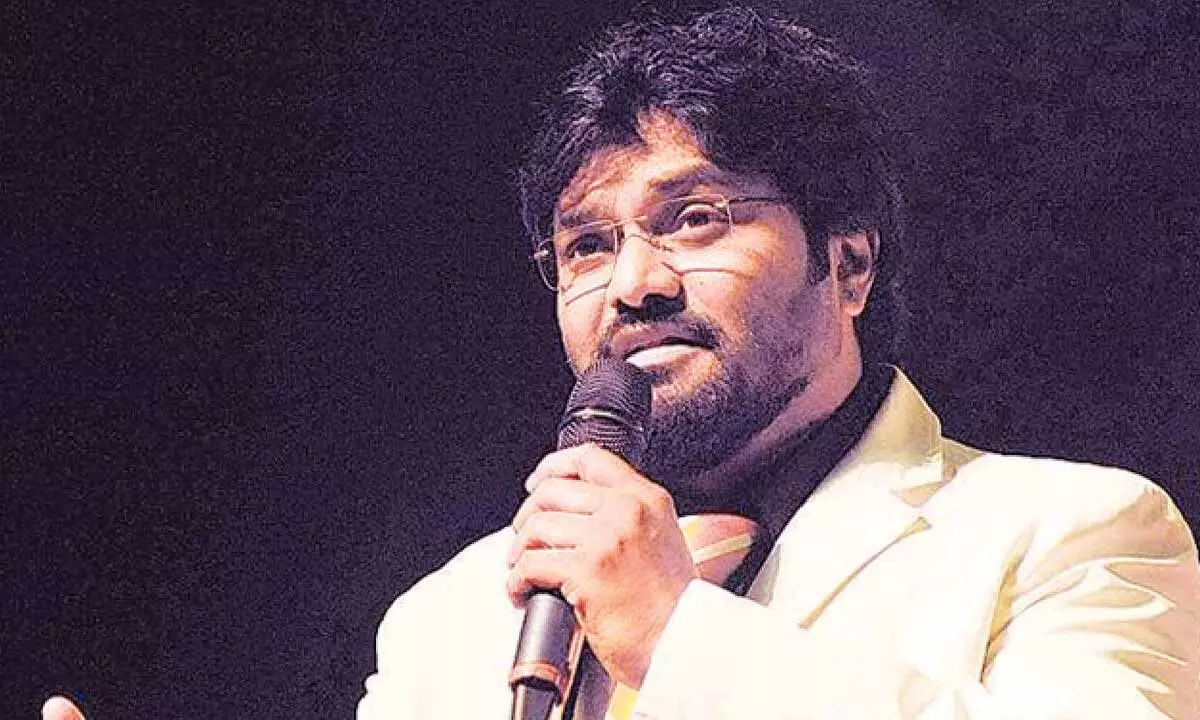
Singer, actor, and politician Babul Supriyo recently spoke about the changing landscape of the music industry in the age of artificial intelligence. In an exclusive conversation, the veteran singer discussed how AI is influencing music production, remixes, and the evolving dynamics of playback singing.
Speaking about his latest track Intaha Ho Gai Intezar Ki, a modern remix of the classic number, Babul Supriyo revealed that the idea emerged during a discussion with Vikram Mehra, Managing Director of Saregama India Ltd. According to him, the conversation revolved around how artificial intelligence is rapidly transforming the music industry, bringing both positive opportunities and certain challenges.
The singer noted that AI has made it possible to reinterpret and reimagine existing music in new ways. Referring to the blockbuster franchise Dhurandhar, he pointed out that AI technology has been used to recreate and manipulate the voices of original singers for newer versions of songs.
Babul Supriyo believes that remakes and remixes should not be viewed negatively. Instead, he described them as a tribute to timeless music.
According to him, the reason certain songs are recreated repeatedly is because they hold a special place in listeners’ hearts and continue to stand out among countless other tracks.
The singer also shared his thoughts on the changing role of female singers in the industry. He observed that many male singers today perform in extremely high octaves, which sometimes forces female singers to adjust their vocal range and sing in lower octaves.
Highlighting another shift in modern music production, Babul Supriyo noted that many contemporary songs are no longer designed for traditional lip-sync performances in films, with several tracks now playing purely as background music.
According to him, these developments reflect the broader transformation of the music industry as technology continues to reshape the way songs are created and experienced.


