







Why we are the way we are
In Short
Our personalities, reactions and choices are shaped by experiences, memories and influences that often operate beyond conscious awareness. But how much of who we are is fixed, and how much can we change? This feature explores the idea that our tendencies are shaped by accumulated impressions, while the way we respond to them remains within our conscious choice. Drawing on yogic and Indian spiritual thought, it reflects on self-awareness, personal transformation and the possibility of becoming more deliberate in shaping our lives

Share :
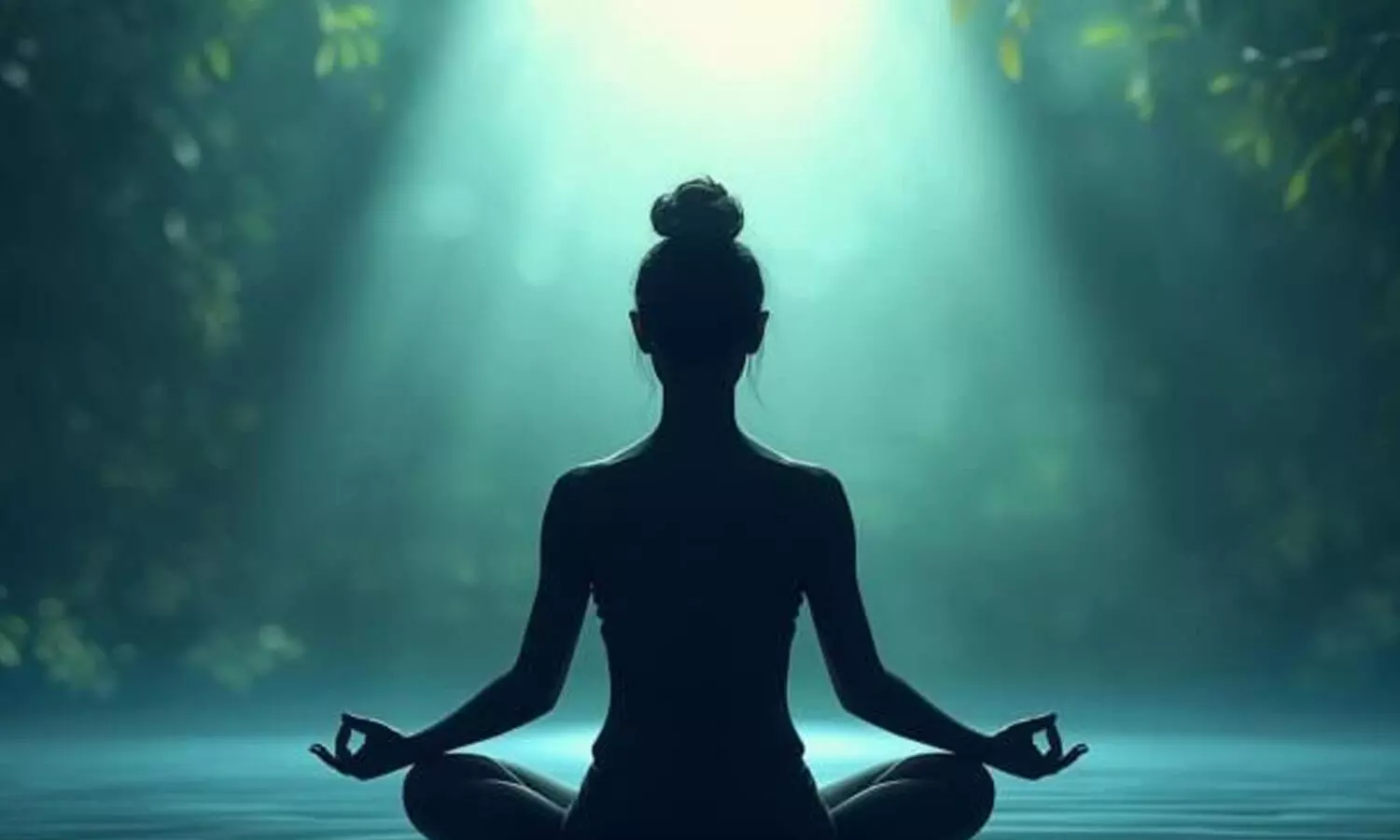
Why we are the way we are
Whichever way you have become, you have only created and cultivated a small part of it consciously. A large part of you is unconscious because most of what you perceive is not in your awareness.
Sense perception is like that – everything that goes in through your sense organs gets established in your system to be remembered forever. This is karma. Every impression that the five sense organs take in is stored. This is not against you; this information is useful. If you clean up all this information, you will not know how to handle even the simplest aspects of life. It is only because the information is coming in such torrents, it is so complex, and most of it goes into you without your consciousness so it has become a problem. How you became the way you are is just a tendency that you developed because of the information you gathered.
This tendency is traditionally called vasana. It is like a smell. Whatever is there in maximum quantity is the kind of smell you experience. Because you produce this kind of smell, a certain type of life moves towards you, and you also tend to move in that direction. Now, you use perfume to cover the smell. In the first meeting, people may get deceived. The moment they notice the stink, they are going to run away. Is that the way to live?
So it does not matter what impressions you have gathered, what you make of it is in your hands. An unpleasant experience is carried by most like a badge, always talking about it. “This happened; somebody did this to me, that is why I am like this.” They try to cover all their unpleasantness with this one badge. One basic symbolism in yoga and Indian spirituality has always been a lotus. This is essentially because a lotus grows best wherever there is dirt. Either you can resist the dirt – you can become the dirt – or transform it into a wonderful blossom. It is your choice. If unpleasant things have happened to you, it is all the more important that you turn wiser and more beautiful as quick as possible, because you know the pain of unpleasantness. If unpleasant things have happened, all you have to do is see how such things do not happen again to you or to those around you.
Whatever you are right now is your own creation, perhaps an unconscious one. Unconscious processing of your impressions has landed you where you are now. If you consciously process the impressions, you could turn them into something else. To drop your vasanas, and get released from these tendencies is an endless work because in the process you may end up creating more karma. So, instead of trying to erase the smell, you need to distance yourself from the source. Whatever the nature of karma, the recording mechanisms are only two – your body and mind. If you create little space between you and your physical body and mental structure, then whatever the karma, or vasanas, they have no impact on you. Then, they just die.
The choice is yours – you could be a victim, a spectator, or the master of your life.
(The writer is Ranked amongst the fifty most influential people in India, Sadhguru is a Yogi, mystic, visionary and a New York Times bestselling author. Sadhguru has been conferred the Padma Vibhushan by the Government of India in 2017, the highest annual civilian award, accorded for exceptional and distinguished service. He is also the founder of the world’s largest people’s movement, Conscious Planet– Save Soil, which has touched over 4 billion people.)


