






Adornment as identity: How Indian jewellery became a language for modern self-expression

Adornment as identity: How Indian jewellery became a language for modern self-expression
Perhaps that is the biggest shift in Indian fashion today. Modernity is no longer defined by moving away from tradition.
Personal style tells the world who we are today. Jewellery reminds us where we come from. Few objects manage to do both quite as effortlessly as jewellery.
For generations, jewellery in India was deeply intertwined with tradition. It marked milestones, celebrated family legacies and quietly passed from one generation to the next. Every necklace, bangle or pair of earrings carried a story long before it became part of someone’s wardrobe.
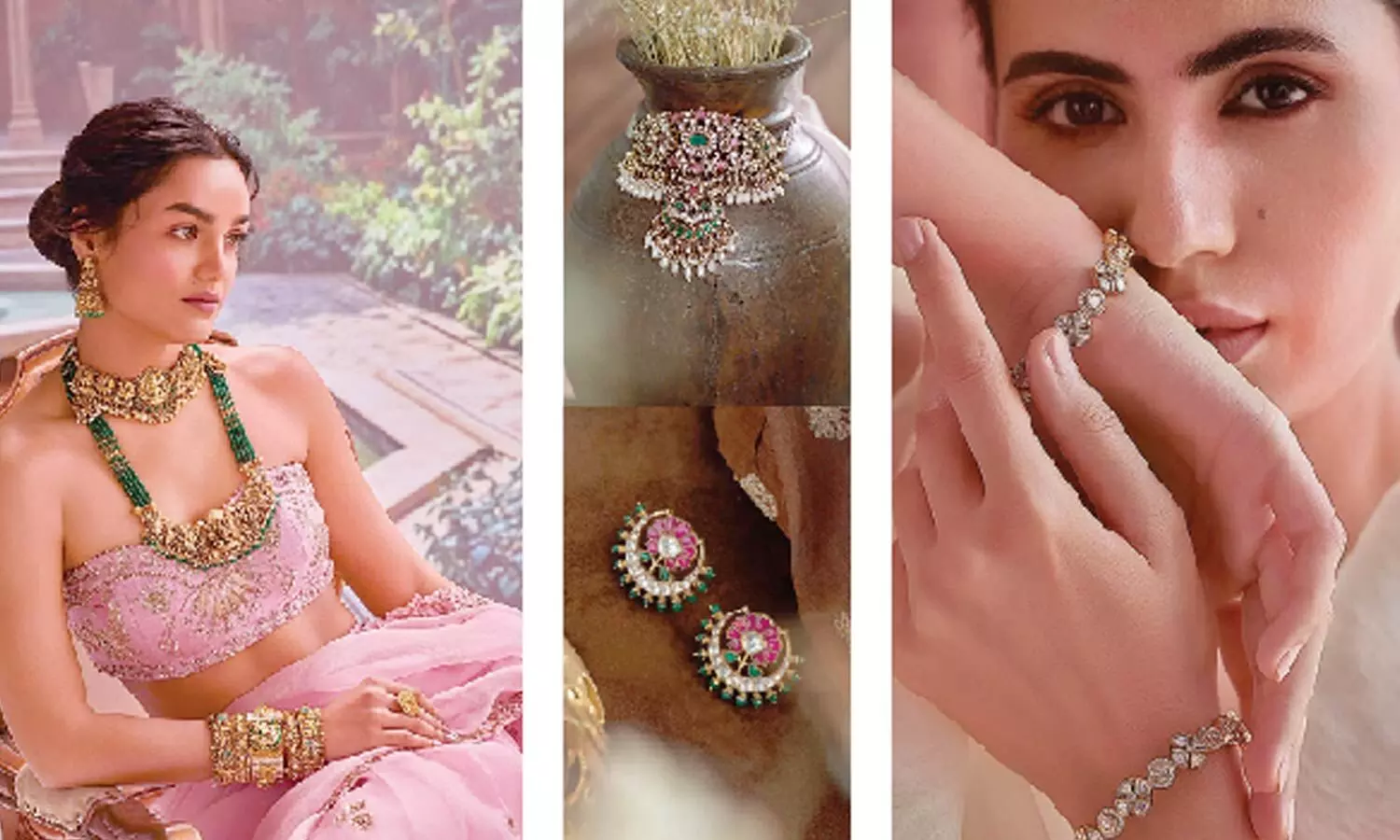
Today, those stories haven’t disappeared. They’ve simply become more personal. Across India, jewellery is no longer reserved for weddings and festivals alone. It has become an extension of individual style, a way of expressing identity while remaining deeply connected to one’s roots. A handcrafted kundan necklace may now be paired with a crisp linen shirt, heirloom-inspired earrings with denim, or a traditional choker with contemporary tailoring. The rules have changed, but the emotional significance has remained remarkably intact.
Perhaps that is the biggest shift in Indian fashion today. Modernity is no longer defined by moving away from tradition. Instead, it is increasingly expressed through the confidence to reinterpret it. Jewellery has become the bridge between heritage and personal expression, allowing people to celebrate where they come from while embracing who they are today.
This evolution is especially meaningful in regions like Jammu, where craft, architecture and culture have always existed quietly in everyday life. From the historic grandeur of Mubarak Mandi to intricate Dogra design influences, the region reflects a rich visual vocabulary that continues to inspire contemporary jewellery design. These influences are no longer viewed as relics of the past, they are being reimagined for modern wardrobes while retaining their cultural soul.
That growing appreciation extends beyond design itself. Consumers today are increasingly interested in understanding who made a piece, how it was crafted and the traditions behind it. They value authenticity over perfection, craftsmanship over mass production and meaning over fleeting trends. Jewellery is no longer appreciated only for its beauty, but also for the human stories embedded within it. This renewed respect for craft is also creating space for artisan communities to thrive.
In many ways, this mirrors the larger journey of Indian jewellery itself. Adornment has evolved beyond decoration. It has become a language of identity.
Every carefully chosen Indian piece reflects personal taste, memories, aspirations and heritage all at once. It allows people to express themselves without leaving behind the traditions that shaped them.
Clothing may evolve with seasons and trends, but jewellery often remains constant. It travels through celebrations, careers, journeys and generations, gradually becoming inseparable from the people who wear it.
That is perhaps why Indian jewellery continues to feel timeless. Not because it has resisted change, but because every generation has found new ways to make it deeply, unmistakably their own.
(The writer is a , Co-founder, Paisley Pop Shop)


