
From windows to walls: The rise of full-glass interiors in urban homes

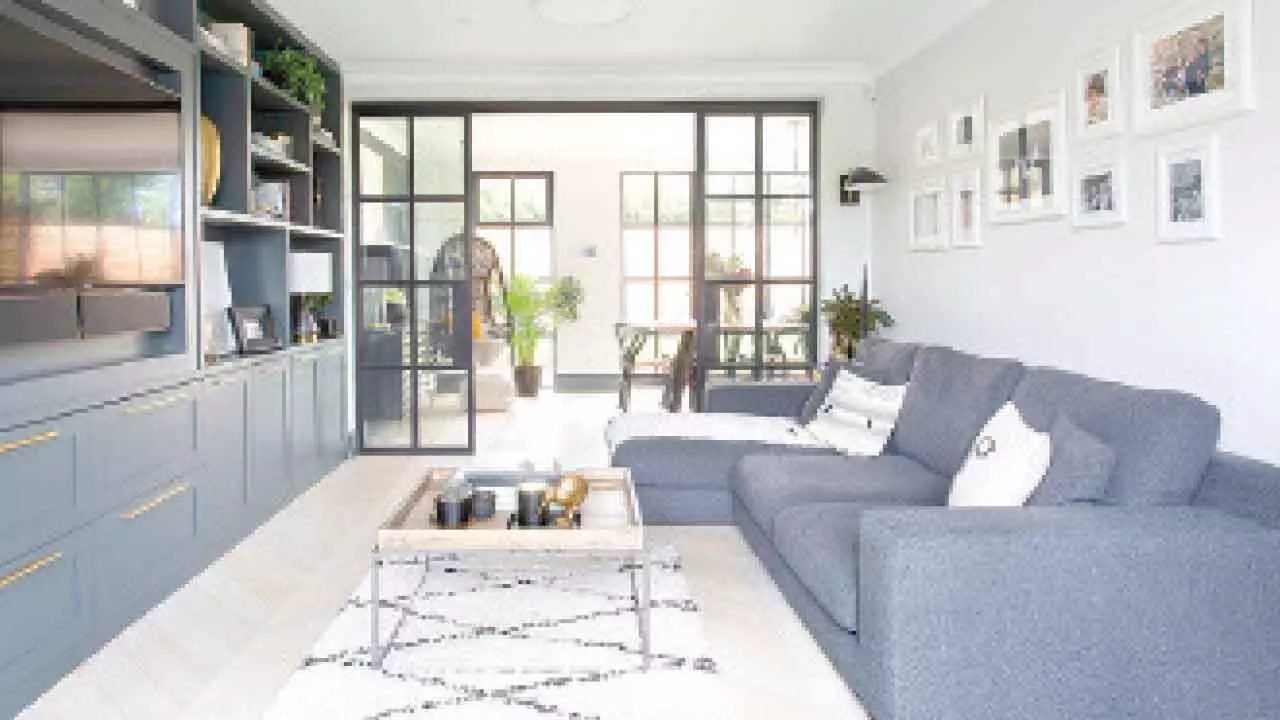
Urban residences have experienced an astounding change; glass, which was used since the beginning only for windows or balcony panels, can now also be seen as complete wall sections, partitions, staircases, and ceilings! Therefore, with the increased use of total glass in residential spaces, urban homeowners are rethinking their views on space, light, and luxury. Glass has now evolved from being merely functional to the most aesthetically significant feature of urban contemporary living.
The Evolution of Glass in Interior Design
Homeowners historically only used glass minimally in their homes (primarily for windows). However, innovations in the production and processing of the product have transformed glass into a wide range of durable, versatile products. Options like tempered, laminated, frosted, and smart glasses are not only aesthetically pleasing but also provide safety, strength, and privacy to the user.
This shift allows architects and interior designers to take more creative risks when designing, creating open spaces with an "open-floor concept"; creating seamless transitions between indoors and outdoors has now become a big part of today's design philosophies.
Creating the Illusion of Space
Full glass interiors have become very popular due to the way they help to make smaller apartments and urban homes seem larger. Glass walls and glass partitions help to provide continuity (by eliminating physical boundaries) and make all spaces within a compact urban home a single large area. Free visual travel from one area of an apartment to another is achieved with a full glass partition or wall rather than standard walls made of wood or brick. This increases the comfort and livability of the apartment by maximizing the actual visual volume available to each room. For example, an apartment that has a full glass partition between the living room and kitchen will maintain separation of the two rooms without feeling cramped by using a solid wall partition.
Maximizing Natural Light
Modern home design can benefit significantly from the use of natural light; it gives your home a beautiful atmosphere, but it is also another means of determining whether your home is a healthy or sustainable dwelling. When you have a smooth, seamless glass wall with a glass door, you are providing ample amounts of natural light and making it so you can see further into one's home.
Natural light offers many benefits, including positive moods, increased work outputs, and a beautiful atmosphere for any area in which it is used. Because the vast majority of urban buildings were built very close together and access to natural light is limited, using glass walls captures and distributes natural light into all interior areas of the building and helps make these spaces bright and inviting.
A Touch of Modern Luxury
Interior spaces frequently associate glass with elegance and sophistication. The clear lines of glass, mirrored surfaces, and simple appearance create a high-end look that is attractive to many people who live in cities today.
Whether used as part of a staircase with a metal railing or as a frameless shower enclosure or a wardrobe, the use of glass will provide an audience with an air of refinement. Additionally, glass can be coordinated with many different styles of design—be it minimalistic, industrial, or contemporary luxury—which gives it versatility for those who have distinct preferences.
Enhancing Functionality with Innovation
Modern glass products serve more than an aesthetic purpose—in particular, innovative pieces such as 'smart' glass (which is able to go from clear to frosted at the press of a button) revolutionize the function of the product. Essentially, this type of glass is ideal for use in locations like bedrooms/bathrooms/home offices, where you need either or both options of privacy or open space.
Urban living is a major factor in why homeowners are transitioning to acoustic glass, which has become increasingly popular due to the superior level of noise reduction it provides (thereby alleviating potential discomfort from noise levels). Acoustic glass also offers an appealing degree of visibility. Acoustic glass also provides urban dwellers with a tremendous amount of audio insulation.
Sustainability and Energy Efficiency
In addition to providing the best possible insulation, glass does not require as much energy and can provide the greatest amount of natural light in a building. Another form of sustainable urban living solution is the increasing prevalence of green roofs and other sustainable technologies, which are growing in popularity as the world has become more focused on sustainability recently.
Addressing Privacy Concerns
Using glass within any structure offers numerous advantages; still, potential purchasers commonly fear that using glass for this application will cause a lack of privacy. Fortunately, advancements in decorative and functional glazing (e.g., frosted, tinted, or textured) have produced options to satisfy those concerns and to permit different degrees of visual obstruction while still permitting significant amounts of natural sunlight to enter the room.
Similarly, individuals may choose to use window coverings, e.g., draperies and blinds, or advanced electronic technologies, e.g., "smart" glass (board-operated), to achieve privacy in their own residence or to provide their guests with more creative opportunities to create usable space. The ever-increasing ability to provide both a clear view and privacy to visitors and residents is one of numerous reasons for the growing use of glass for interior applications in new construction and renovations throughout North America.
Safety and Durability
Many people believe that glass, being easily breakable and potentially dangerous when shattered, fails to ensure home safety. However, the types of glass now used in contemporary interior designs have been specifically engineered for durability. A good example of safety glass includes tempered glass. Safety glass is a very tough material that can resist impacts up to 8 times greater than conventional plate glass.
Additionally, if it breaks, laminated safety glass shatters into small pieces, with no sharp edges exposed to potential injury from glass shards.
Laminated safety glass is an excellent choice for safety applications. Even if the laminated sheet(s) between two laminated safety glass panels were destroyed, neither of the laminated glass panels would break and cause injury to anyone because no part of either laminated panel would break into small pieces, therefore protecting against this type of injury. These improvements in technology have made laminated safety glass a dependable material for interior design applications (e.g., floors and stairs).
Challenges to Consider
In addition to the many positive aspects of a full-glass interior, there are challenges associated with using it as an interior material. For instance, glass has a tendency to get fingerprinted and dirty quickly; therefore, it has to be cleaned frequently to maintain its original shine. By performing regular and appropriate cleaning on your full-glass interiors, your home can continue to look great.
Even though glass has obvious benefits, the cost of higher-quality glass can be very high because of the extra materials needed for installation and customization. Using too much glass can cause overheating or glare in hot, sunny places if there isn't sufficient planning done ahead of time.
The Future of Urban Living
Glass will play a vital role, both functionally and artistically, in creating and maintaining these new types of urban developments, reflecting a continuing interest in the uniqueness and individuality of urban environments. From small apartments to multi-million-dollar luxury penthouses, full-glass interiors will continue to reshape urban living.
(The writer is a Founder, Shankar Fenestrations & Glasses)


