
Redefining women’s empowerment through Swabhiman
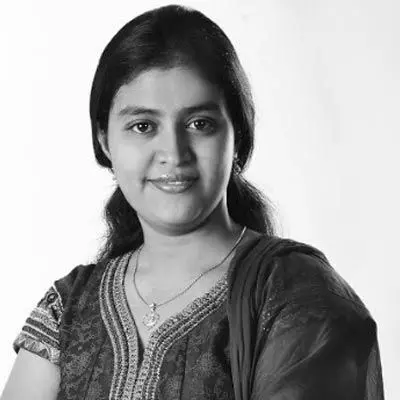
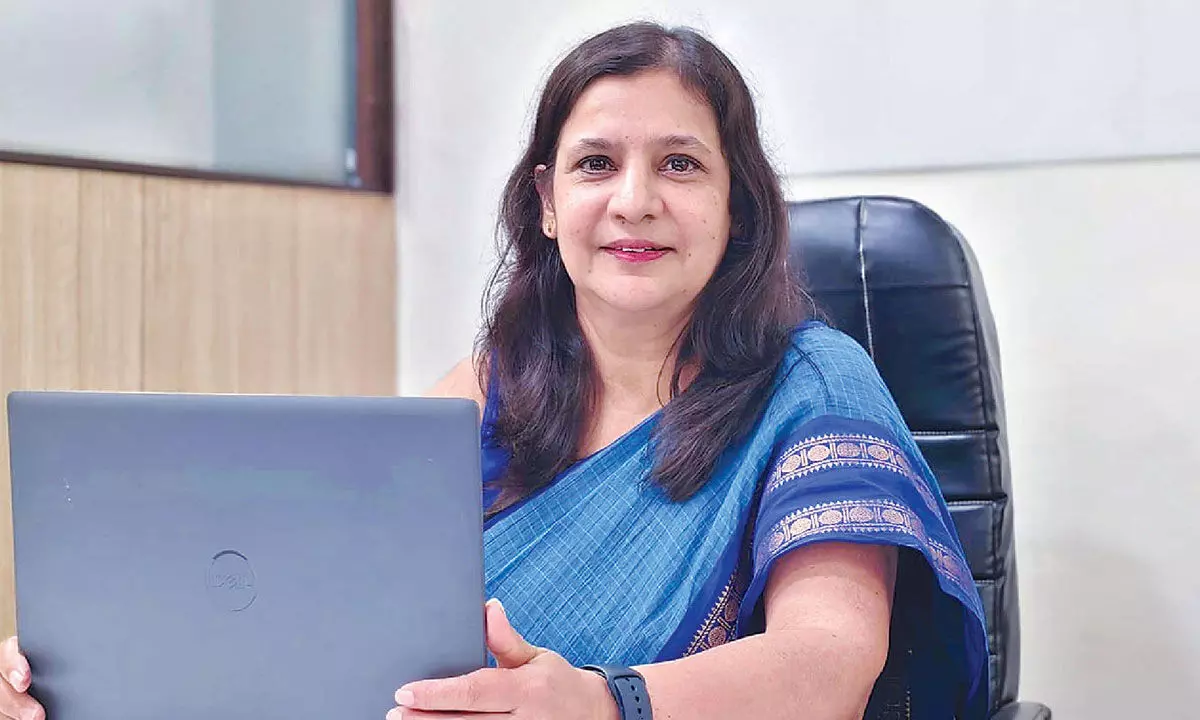
In a country where women’s empowerment is often spoken of in sweeping terms, the real measure lies in the quiet, steady transformations that unfold within homes and communities. For Dr Rashmi Ardey, Director Programme at Smile Foundation, empowerment is neither abstract nor immediate—it is a gradual, lived experience shaped by confidence, access, and sustained support.
With over three decades of experience in public health, Dr Ardey has worked at the intersection of strategy and grassroots implementation, leading large-scale initiatives in maternal, reproductive, and women’s health. At Smile Foundation, she now steers the health portfolio with a clear focus on strengthening primary healthcare systems and deepening women-centric interventions through Project Swabhiman.
“Over two to three years, empowerment becomes visible in subtle but powerful ways,” she explains. “A woman gains confidence, begins making informed decisions, and moves toward independence. With knowledge of health and nutrition, she is better equipped not only to care for her family but also to engage with financial systems and institutions.” What emerges, she adds, is not just a beneficiary of welfare, but “a consistent contributor to her household’s wellbeing and her community’s progress.”
Yet, the journey toward this transformation is rarely straightforward. Many women entering the programme are first-time health seekers, earners, or digital users—often held back by hesitation shaped by social conditioning. “The initial barriers are rooted in unfamiliarity and lack of confidence,” says Dr Ardey. “Our approach is not just to address immediate fears but to build long-term trust.” Through mentoring, peer networks, and gradual exposure, Swabhiman enables women to interact with health centres, banks, and digital platforms with increasing ease. “The goal is to make these interactions feel routine rather than intimidating—for this generation and the next.”
Addressing deeply personal issues such as reproductive health, anaemia, and maternal care requires an added layer of sensitivity. Dr Ardey emphasises that trust is built over time. “These are not conversations that happen overnight. We create safe community spaces where discussions are normalised gradually,” she says. Using culturally relevant communication tools and trained facilitators, the programme ensures that women receive information in a respectful and accessible manner. The larger vision, she notes, is to foster communities where preventive healthcare is prioritised and no longer shrouded in silence.
A defining feature of Swabhiman is its lifecycle approach—supporting women across different stages of life rather than focusing on a single phase. “The needs of adolescent girls, young mothers, and working women are interconnected,” Dr Ardey explains. “By staying engaged across these transitions, we ensure that progress is not lost but strengthened over time.” This continuity, she believes, is key to building resilience and embedding empowerment across generations.
The ripple effects of this approach become most evident when women begin to earn or influence decisions within their households. “Economic contribution changes perception,” she observes. “It enhances a woman’s credibility within the family and often extends into leadership within the community.” Over time, these individual shifts accumulate into broader social change. Younger girls grow up witnessing women as decision-makers, shaping a future where such roles are not exceptions but expectations.
At its core, Swabhiman’s vision extends beyond individual success stories. It seeks to bring visibility and agency to women in communities that are often overlooked. “We envision an India where women’s health, financial capability, and leadership are central to development,” says Dr Ardey. “The aim is not to create isolated examples of empowerment, but to make it an established norm.”
Initiated in 2005, Project Swabhiman—meaning self-respect—focuses on nutrition, healthcare, and livelihood interventions for women from less-privileged backgrounds. By combining community engagement with capacity building, it equips women to seek healthcare, develop skills, and achieve financial independence. Importantly, the programme also involves men and boys, recognising that gender equality is a shared responsibility.
As Dr Ardey’s insights reveal, empowerment is not a single milestone but a continuum—one that unfolds through knowledge, opportunity, and the courage to step into spaces once deemed inaccessible.


