
Why sewing is not a hobby, but a career path for today’s youth

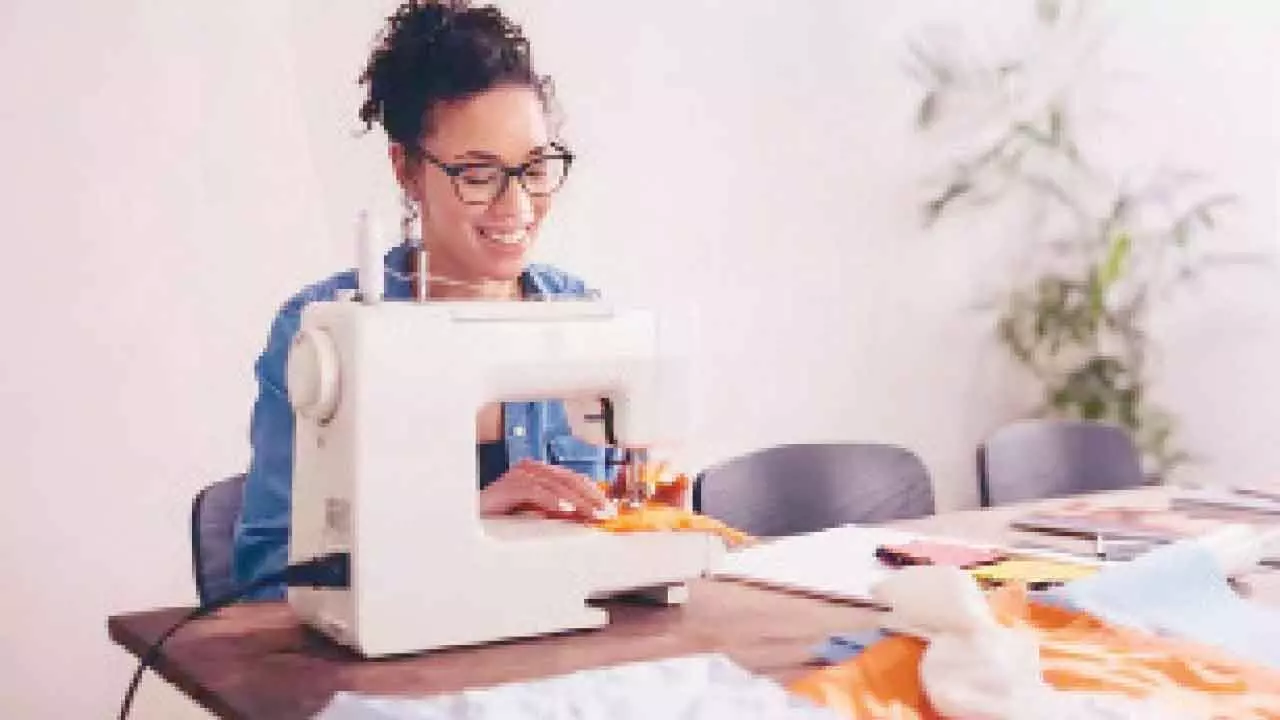
Sewing is no longer confined to tradition or hobby—it is emerging as a modern, skill-driven career shaped by creativity and technology. For today’s youth, it offers a powerful blend of independence, adaptability, and opportunity in an evolving job landscape
In a world where careers are no longer shaped by linear degrees or predictable corporate ladders, sewing is undergoing a quiet but significant redefinition. Once viewed primarily as a domestic skill or a leisurely pastime, it is now emerging as a credible, future-ready profession—one rooted in creativity, technical expertise, and economic independence. For India’s youth navigating an increasingly uncertain job market shaped by automation, platform economies, and shifting consumer values, sewing offers something rare and valuable: a tangible, adaptable skill with real-world application.
The renewed relevance of sewing lies in its ability to seamlessly blend craftsmanship with modern capability. Contemporary sewing is far removed from the narrow perception of basic stitch work. The tools, techniques, and outcomes have evolved dramatically, expanding what young professionals can create, customise, and scale. Entry-level mechanical machines help learners build a strong foundation in garment construction and fabric handling, while advanced mechanical and electronic machines introduce greater speed control, stitch variation, and material versatility. Computerised sewing machines, with intuitive digital interfaces and pre-programmed designs, enable precision and consistency, allowing creative ideas to translate into professional outputs. Embroidery-enabled machines further widen the creative canvas, making detailed personalisation accessible without extensive manual effort. Together, these advancements position sewing as a discipline that combines artisanal skill with technological fluency.
Sewing as Creative Entrepreneurship
This evolution has been amplified by the rise of the creator economy, which has transformed sewing into a viable pathway for creative entrepreneurship. Digital platforms and direct-to-consumer models have lowered traditional barriers to entry, enabling skilled individuals to build brands, offer bespoke services, and reach niche audiences with minimal infrastructure. Today, a young sewist can launch small collections, offer made-to-measure solutions, create customised products, or monetise expertise through workshops and digital content. In this ecosystem, sewing extends beyond production—it becomes a tool for storytelling, differentiation, and sustained value creation.
Cultural Continuity in a Contemporary Context
Beyond its economic potential, sewing holds deep cultural significance in the Indian context. Our textiles, silhouettes, and construction techniques carry centuries of heritage and regional identity. When young people engage with sewing as a profession, they do more than preserve these traditions—they reinterpret them for contemporary markets. This dynamic fusion of heritage and modern design ensures cultural narratives remain relevant, adaptable, and commercially viable, positioning sewing as both a creative and cultural profession.
Yet, despite these shifts, outdated perceptions persist. Sewing is still often framed as a secondary option rather than a legitimate career choice. These notions are increasingly being challenged as more young professionals build sustainable livelihoods, integrate technology into their practice, and engage confidently with national and global markets.
Looking ahead, the role of the sewist is set to become even more relevant. While automation will continue to shape large-scale manufacturing, craftsmanship, personalisation, and design sensitivity remain irreplaceable. Sewing offers resilience against market volatility, adaptability across industries, and the freedom to evolve with changing consumer demands. What was once dismissed as a hobby has emerged as a profession with depth, dignity, and purpose - offering today’s youth a forward-looking career grounded in skill, creativity, and opportunity.
(The writer is President of Studio of Fashion & Craft, Usha International)


