
A resume should show what students can do, not just what they studied: NIIT University President

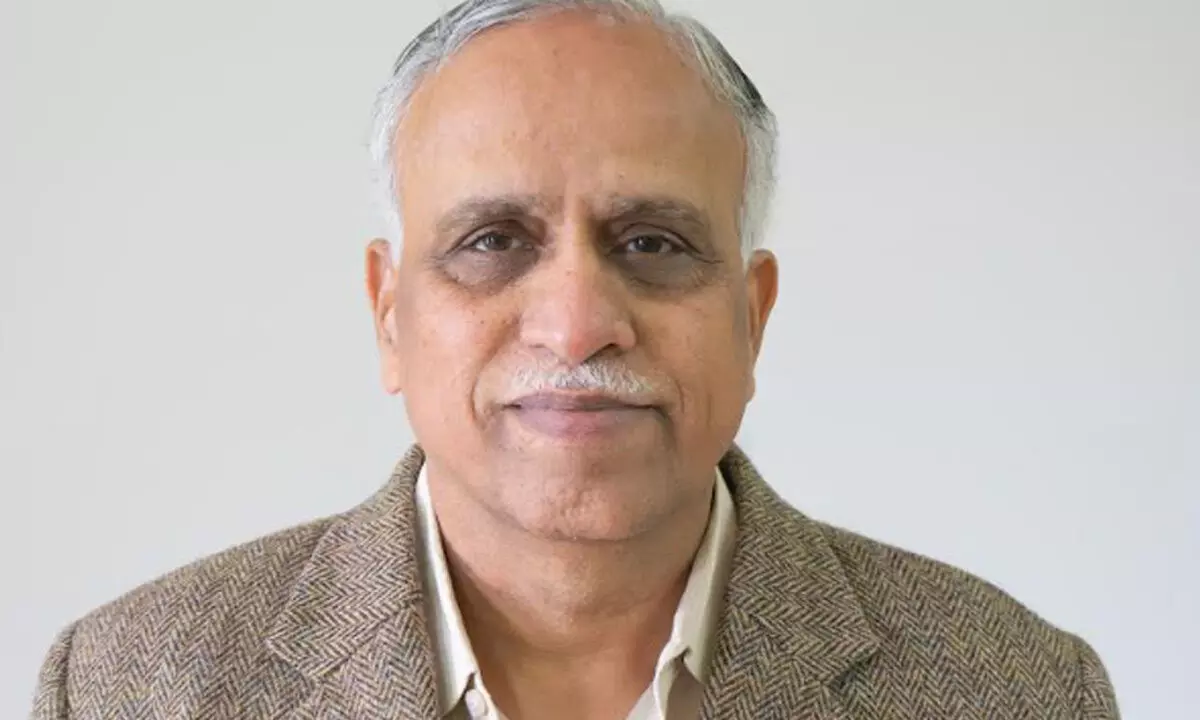
Prof Prakash Gopalan, President, NIIT University, highlights how internships, projects, experiential learning and the right mindset are shaping fresher hiring decisions.
For many graduates, the real challenge begins after earning a degree: converting qualifications into employment. In a competitive hiring market, freshers are judged not only on academic scores but also on how effectively they demonstrate readiness for the workplace. In an interview, Prof Prakash Gopalan, President, NIIT University, explains how recruiters are changing the way they assess entry-level talent and why hands-on experience, adaptability and contribution are emerging as key differentiators.
Q. Many graduates struggle to move from campus to career. What makes that transition so difficult for freshers today?
The biggest challenge for many graduates is not obtaining a degree, but translating it into employability. Freshers today compete in a crowded talent pool where recruiters may scan hundreds of resumes for a single role. In such a situation, academic qualifications alone are rarely enough to stand out.
What makes the difference is whether a candidate can demonstrate readiness to enter a professional environment. Recruiters try to identify those who can adapt quickly, work in teams, handle workplace challenges and begin contributing from the outset. The transition becomes difficult when graduates present themselves only as degree-holders rather than as problem-solvers who can add value.
Q. What kind of signals do recruiters usually look for when screening fresher resumes?
Recruiters are increasingly looking for signals of readiness. These often come through internships, projects, research work, competitions or any experience where a student has applied knowledge in a practical setting.
When a fresher can explain how they identified a problem, worked toward a solution, collaborated with others and achieved an outcome, it gives recruiters confidence. It shows initiative, execution and application. By contrast, a resume that only lists subjects studied does not reveal how effectively a student can function in a real-world work environment. That is why practical exposure has become so important. It allows candidates to show not just what they have learned, but what they can actually do.
Q. Why is experiential learning becoming so important in recruitment?
Experiential learning has gained importance because employers want graduates who have already been exposed to real or simulated workplace contexts during their academic journey. This could be through live projects, internships, lab-based problem-solving, field work or collaborative assignments linked to industry needs.
The value of such learning lies in its ability to connect theory with practice. Students begin to understand how classroom concepts translate into real results. At the same time, they develop professional qualities such as accountability, time management and ownership. These are traits recruiters value greatly, especially in freshers.
Educational institutions that integrate such approaches into the curriculum are helping improve graduate readiness. Students exposed to industry-linked learning models are often better prepared to navigate professional expectations and contribute with confidence from the start.
Q. Apart from experience, what skills make one fresher stand out from another?
A great deal depends on skills that go beyond the formal curriculum. Employers often look for critical thinking, analytical ability, communication, teamwork and flexibility. These qualities frequently become deciding factors when candidates have similar academic backgrounds.
It is important to understand that such skills are not developed only through lectures. They often emerge through collaboration, participation in projects, navigating setbacks and learning from mistakes. A student who can clearly explain how they handled a challenge, contributed to a team effort or learned from failure is likely to leave a stronger impression than someone who cannot articulate such experiences.
This is especially relevant in industries shaped by rapid technological change. In such sectors, the willingness and ability to learn may matter more than prior familiarity with any one tool or platform.
Q. How important is mindset in the hiring process for entry-level candidates?
Mindset is extremely important. Recruiters do not only assess what a candidate knows today; they also try to understand what that person can grow into tomorrow. Curiosity, eagerness to learn and openness to change are strong indicators of future potential.
Entry-level roles are starting points. Recruiters know freshers will continue learning on the job. What they want to see is the motivation to learn and improve. Candidates who demonstrate awareness of industry trends, emerging technologies and broader developments in society often appear more prepared for the future of work. It suggests they are engaged, observant and capable of operating in a dynamic environment.
Q. What is the key message for freshers who want recruiters to say yes?
The key message is that the journey from qualification to career is really a journey from qualification to contribution. Recruiters are more likely to select freshers who can connect academic learning with practical impact.
The graduates who stand out are those who combine domain knowledge with curiosity, hands-on exposure and a problem-solving mindset. When candidates reflect these qualities in their resumes and interviews, they are doing far more than listing qualifications. They are showing that they are ready to contribute meaningfully in the professional world.
About Prof Prakash Gopalan
Prof Prakash Gopalan, President, NIIT University, has over 30 years of academic and leadership experience. He has held faculty and administrative positions at IIT Bombay and served as Director of Thapar Institute of Engineering & Technology, Patiala, from January 2014 to January 2023, later continuing as Advisor. He has also been Visiting Professor at Purdue University and Distinguished Visiting Scholar at Northwestern University. A recipient of the Best Teacher Award for Excellence in Teaching at IIT Bombay, he has made notable contributions to crystallography research, supervised numerous research scholars, and published extensively in national and international journals. He holds a doctorate from Purdue University, with earlier degrees from Nagpur University and IIT Kanpur.


