
Cracking UPSC with Consistency, Resilience and Fitness: Guidance from IRS Officer Narendra Kumar Yadav

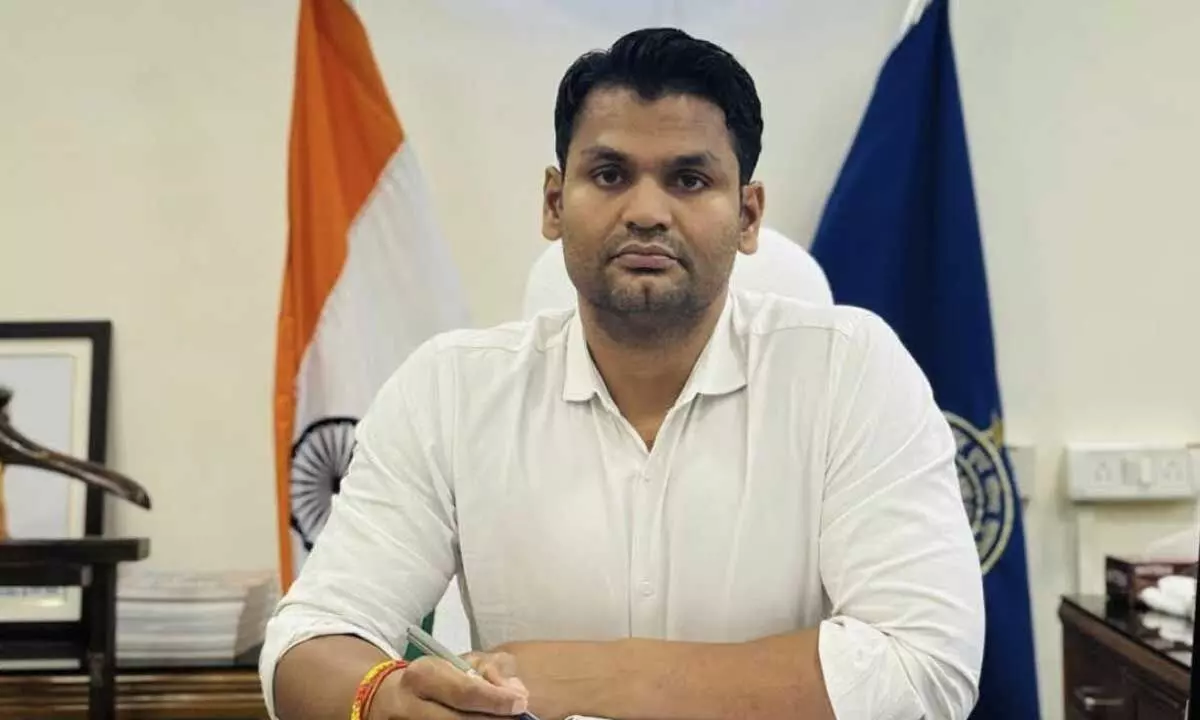
Narendra Kumar Yadav is an Indian Revenue Service (IRS) officer and a Fit India Brand Ambassador known for advocating discipline, consistency, and holistic development among youth. Through his own journey of cracking the UPSC examination and maintaining a strong focus on physical and mental fitness, he has emerged as an inspiring figure for aspirants across the country. In this interaction, he shares practical insights on preparation strategies, common mistakes, and the importance of resilience and fitness in achieving long-term goals.
What inspired your journey toward Civil Services, and how did you stay consistent during preparation?
My inspiration for Civil Services came from a deep desire to create real impact at the grassroots level. While growing up, I observed gaps in governance and realized that one of the ways to change it is to be a part of the system as it gives you the power to change it from within. And knowing why I started and the clarity of purpose is what truly kept me consistent. There were tough days, distractions, and self-doubt, but discipline mattered more than motivation. I followed a structured routine, set realistic daily goals, and tracked my progress. Most importantly, I stayed away from comparison and focused on self-improvement. Physical fitness also played a role in maintaining mental strength. For today’s generation, consistency is about managing distractions, especially digital ones, and building habits that align with your long-term vision rather than short-term comfort.
What should UPSC aspirants focus on in the early stages of preparation?
In the early stage, aspirants should focus on building a strong foundation rather than rushing into advanced material. Start by thoroughly understanding the syllabus and exam pattern and this will bring clarity. NCERT course books should be your base, as they help in conceptual clarity. Simultaneously, start reading a reliable newspaper daily to develop analytical thinking. Avoid the mistake of collecting too many resources and focus on revising limited sources multiple times. The early phase is also about developing discipline and a study routine that you can sustain for months. Today’s aspirants often struggle with information overload so filtering content is key. Focus on understanding rather than memorizing. Most importantly, cultivate patience. UPSC is not a sprint; it’s a marathon, and a strong start sets the tone for everything that follows.
How can students balance physical fitness with the demanding schedule of UPSC preparation?
Balancing fitness with UPSC preparation is not difficult, it’s about prioritizing health as part of your preparation strategy. You don’t need long hours in the gym; even 30–40 minutes of daily exercise is enough. It could be a brisk walk, yoga, or basic strength training. Physical fitness improves blood circulation, reduces stress, and enhances concentration, which directly benefits study efficiency. For today’s generation, which often spends long hours slouching on screens, movement is essential. I used fitness as a mental reset and it helped me stay energetic and focused. Think of it as an investment, not a distraction. A healthy body supports a sharp mind. If you are disciplined with your time, you can easily integrate fitness without compromising your study schedule.
How important is mental resilience, and how can aspirants deal with stress and failure?
Mental resilience is one of the most crucial factors in UPSC preparation. The journey is long, uncertain, and filled with ups and downs. Failure is part of the process and not an exception. What matters is how you respond to it. I always treated setbacks as feedback, not defeat. To deal with stress, it’s important to maintain a balanced lifestyle with proper sleep, regular exercise, and occasional breaks. Avoid isolating yourself; stay connected with supportive people. For today’s aspirants, social media comparison adds unnecessary pressure, hence, limit it. Practice mindfulness or meditation to stay calm and focused. Remember, your self-worth is not defined by one exam. Resilience comes from accepting challenges and continuing despite them. Stay grounded, trust your preparation, and keep moving forward.
What common mistakes do UPSC aspirants make, and how can they avoid them?
One of the most common mistakes is lack of direction, many aspirants start without fully understanding the syllabus or exam pattern. Another is resource overload, collecting too many books but not revising them properly. In today’s digital era, distraction is a major issue; excessive use of social media wastes valuable time and affects focus. Many aspirants also ignore answer writing in the early stages, which is a critical skill for Mains. Another mistake is inconsistency, studying hard for a few days and then losing momentum. To avoid these, stick to limited, quality resources, revise regularly, and practice answer writing early. Create a realistic schedule and follow it strictly. Most importantly, avoid comparison with others, focus on your own journey and progress.
How did you approach current affairs and answer writing during your preparation?
For current affairs, I relied on one standard newspaper and supplemented it with monthly compilations. The key is not just reading but analysing and understanding the “why” and “how” behind every issue. I made concise notes that were easy to revise. For answer writing, I started early and practiced consistently. Initially, my answers lacked structure, but with time I improved by focusing on clarity, relevance, and time management. I followed a simple structure of introduction, body, and conclusion while incorporating facts, examples, and balanced viewpoints. For today’s aspirants, the challenge is not about lack of information but organizing it effectively. Regular practice and self-evaluation are essential. Writing is a skill, and like any skill, it improves with consistent effort.
How does physical fitness contribute to better focus and performance in exams?
Physical fitness plays a direct role in improving cognitive function, focus, and overall performance. Regular exercise increases blood flow to the brain, enhances memory, and reduces anxiety. During my preparation, I noticed that on days I exercised, my concentration levels were significantly higher. Fitness also builds discipline, which translates into better study habits. For today’s generation, where sedentary lifestyles are common, fitness becomes even more important. It helps combat fatigue and keeps your energy levels stable throughout the day. Moreover, exercise releases endorphins, which improve mood and reduce stress. A fit body supports a calm and focused mind, which is essential for a demanding exam like UPSC. In simple terms, fitness is not separate from preparation, it strengthens it.
What message would you like to give students preparing for UPSC about long-term motivation and purpose?
Long-term motivation comes from a clear sense of purpose. You must ask yourself why you want to join Civil Services. The answer should go beyond prestige or job security. When your purpose is strong, it sustains you through difficult phases. Motivation will fluctuate, but discipline keeps you going. For today’s generation, it’s easy to get distracted by short-term rewards and instant gratification. UPSC demands patience and delayed gratification. Set small goals, celebrate small wins, and stay consistent. Avoid comparing your journey with others. Remember, success in UPSC is not just about intelligence but perseverance. Stay focused on your purpose, trust the process, and keep moving forward even when results are not immediately visible.
How should aspirants approach revision and time management during different stages of UPSC preparation?
Revision is the backbone of UPSC preparation. No matter how much you study, it is revision that ensures retention. I followed a cyclic revision strategy, weekly, monthly, and before exams. Time management is equally important. In the initial stage, focus more on building concepts. In the mid-stage, balance between learning new topics and revising old ones. Closer to the exam, prioritize revision and practice. For today’s aspirants, managing distractions is a key part of time management. Use techniques like time-blocking or the Pomodoro method to stay focused. Keep your schedule realistic and flexible. Avoid burnout by including short breaks. Consistency in revision and efficient use of time can significantly improve performance.
What role do mock tests and self-evaluation play in improving performance in UPSC exams?
Mock tests are essential for understanding the exam environment and improving performance. They help you identify your strengths and weaknesses. I treated mock tests seriously, as if they were the actual exam. More importantly, I spent time analyzing my mistakes. Self-evaluation is where real learning happens. It helps you understand where you are going wrong whether it’s lack of knowledge, poor time management, or misunderstanding the question. For today’s aspirants, mock tests also help in building confidence and reducing exam anxiety. Don’t be discouraged by low scores initially; they are part of the learning process. Use them as a tool for improvement. Regular practice, combined with honest self-assessment, can significantly enhance your performance.
What simple fitness routine would you recommend for students?
I would recommend a simple and sustainable fitness routine that fits easily into a student’s schedule. Start with 5–10 minutes of warm-up, followed by 20–25 minutes of exercise. This can include bodyweight exercises like push-ups, squats, and planks, along with light cardio such as jogging or skipping. Yoga or stretching at the end helps in relaxation. The goal is not intensity but consistency. Even a brisk 30-minute walk daily can make a big difference. For today’s students, who often sit for long hours, it’s important to stay active. Avoid overcomplicating fitness, keep it simple and enjoyable. A consistent routine not only improves physical health but also boosts mental clarity and energy levels, which are essential for effective preparation.
What message would you like to give to India’s youth as a Fit India Ambassador?
My message to India’s youth is simple: fitness is not a luxury, it’s a necessity. A strong nation is built on strong individuals, both physically and mentally. In today’s fast-paced and digital world, we are becoming more sedentary, which affects our health and productivity. Fitness is not about having a perfect body; it’s about having the energy and discipline to achieve your goals. Start small, stay consistent, and make fitness a part of your daily life. As the future of India, your health directly impacts the nation’s strength. Remember, “Fit Body, Fit Mind, Fit Nation.” Take responsibility for your health, inspire others, and contribute to building a healthier and stronger India by 2047.


