
The Rise of AI: Are Students Being Prepared or Replaced?

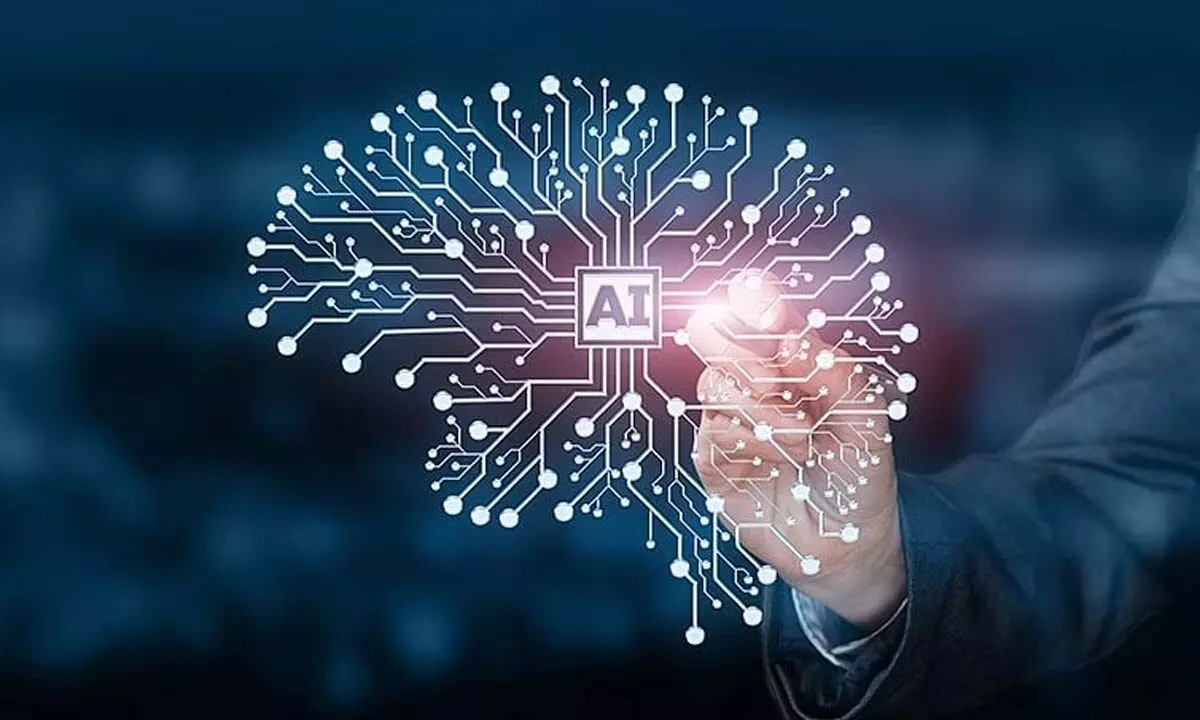
Artificial intelligence
The rise of artificial intelligence is a present reality reshaping classrooms, careers, and entire industries. From automated coding assistants to generative tools that can write, design, and analyse in seconds, AI is transforming how work gets done. This shift has triggered a pressing question among students, parents, and educators alike: are students being prepared for this new world or will AI quietly take over entry level jobs?
The fear is understandable. Across sectors, tasks once considered entry-level stepping stones are now automated. Routine data analysis, basic content drafting, customer support, even elements of medical diagnostics and legal research are increasingly powered by algorithms. For students who have worked hard to secure degrees in these very domains, the anxiety is real. If machines can do in seconds what took years to learn, where does that leave the next generation?
But framing the debate as “prepared versus replaced” oversimplifies the moment. History shows that technological revolutions—from the Industrial Revolution to the rise of the internet—do not simply eliminate jobs; they redefine them. AI is no different. The deeper issue is not whether students will compete with machines, but whether they are being equipped to work with them.
Traditionally, education systems have focused on curriculum, credentials, and content mastery. Degrees have signalled competence; grades have measured understanding. In an AI-driven world, this model is no longer sufficient. When information has been democratised and tools can generate outputs on demand, knowledge alone is not enough. What differentiates individuals is not what they know, but how they think, adapt, and respond to change.
One of the most critical competencies for students today is emotional resilience. The pace of technological evolution means that roles will evolve, and sometimes disappear, within a few years. Students entering the workforce must be prepared for uncertainty, re-skilling cycles, and unexpected pivots. Resilience is a survival skill. The ability to manage anxiety, recover from setbacks, and maintain self-belief in the face of disruption will define long-term success.
Closely linked to resilience is a readiness to continuously learn. The traditional education arc—study until your early twenties and then work for decades—has become obsolete. Learning must become lifelong and self-directed. Students need to cultivate intellectual curiosity and the discipline to update their skills proactively. This means embracing micro-learning, certifications, cross-functional exposure, and staying informed about industry shifts. The degree is just the starting line, not the finish line.
Equally important is the ability to experiment and fail. AI is evolving fast; students must do the same. Innovation rarely emerges from perfectionism. It comes from trying, testing, and refining. Students who are comfortable with experimentation—who can prototype ideas, accept feedback, and pivot quickly—will thrive. Those who fear failure may hesitate in moments that demand courage.
This leads to another essential competency: the willingness to take calculated risks. In a volatile environment, playing it safe may feel secure, but it often limits growth. Students must learn to step outside comfort zones—whether that means exploring interdisciplinary fields, pursuing unconventional internships, or building side projects that integrate technology with human insight. Risk-taking, when informed and reflective, builds adaptability.
The capacity to seek and receive feedback is also becoming indispensable. AI tools provide instant outputs, but human growth still depends on reflection and correction. Students must develop the maturity to invite critique, adjust their approach, and refine their performance. Feedback is not a threat to competence; it is a pathway to mastery.
However, focusing solely on individual competencies would ignore the systemic dimension of the challenge. Educational institutions need to rethink how they cultivate these attributes. Project-based learning, collaborative problem-solving, exposure to real-world ambiguity, and interdisciplinary coursework can simulate the dynamic environments students will face. Mentorship programs and psychological safety in classrooms can encourage experimentation without fear.
Importantly, AI literacy itself is critical. Students do not need to become machine learning engineers to remain relevant, but they must understand how AI tools function, their limitations, and their ethical implications.
At its core, the AI revolution is not merely technological; it is psychological. It demands a shift from fixed identities—“I am a coder,” “I am a marketer,” “I am an analyst”—to flexible professional narratives—“I solve problems,” “I create value,” “I learn and adapt.” Students who anchor their identity in a single skill may feel threatened by automation. Those who anchor it in solutioning, adaptability and growth will see opportunity.
So, are students being prepared or replaced? The answer depends less on the presence of AI and more on the preparedness of mindsets. Technology will continue to accelerate. We need to keep pace. Building mental and emotional strength is key—the courage to learn, unlearn, and relearn; the resilience to face uncertainty; the confidence to experiment; and the humility to seek feedback.
Students are not destined to be replaced. But they must be prepared—not just intellectually, but emotionally—to ride the wave of change rather than be swept away by it.
(The author is Founder & Managing Partner- Marching Sheep (a global leading HR firm)


