
Be warned: Soft drinks are silent killers

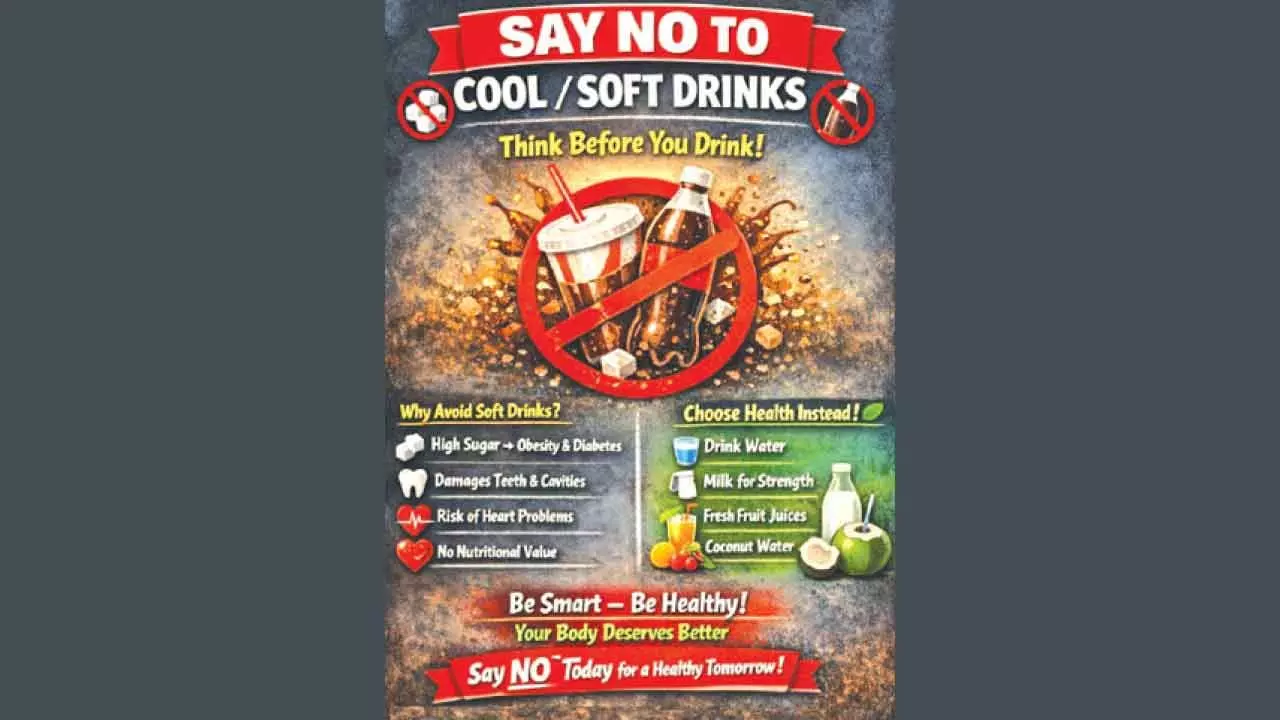
With the onset of summer, a familiar yet troubling pattern emerges across society. Alongside rising temperatures comes an equally sharp rise in the consumption of soft drinks. Fueled by relentless advertising campaigns, particularly during high-profile events like the IPL, these beverages are promoted as symbols of refreshment and enjoyment. Supermarkets and shopping malls witness a surge in bulk purchases, while refrigerators in many homes are stocked with bottles of sugary drinks, often treated as essential summer staples.
However, the perception that soft drinks provide cooling relief is largely misleading. Scientific evidence increasingly points to the contrary, indicating that these beverages contribute significantly to deteriorating health. Over time, people have unknowingly embraced habits that undermine their well-being, influenced by modern consumer culture and aggressive marketing strategies.
Research conducted by the Centre for Science and Environment (CSE) has raised serious concerns about the contents of soft drinks, including the presence of pesticide residues. These beverages are composed of carbonated water, high quantities of sugar or corn syrup, artificial sweeteners like aspartame, caramel coloring, phosphoric and citric acids, caffeine, and chemical preservatives such as potassium benzoate and potassium citrate. Some studies have also reported traces of harmful pesticides including lindane, DDT, and malathion, highlighting the potential risks associated with regular consumption.
Despite such alarming findings, regulatory responses have remained inadequate. Soft drink companies continue to generate enormous profits, often at the expense of public health. Compounding the issue is the role of celebrities and athletes who endorse these products for substantial financial gain, thereby normalizing and encouraging their consumption among the masses.
The health implications of soft drink consumption are profound and far-reaching. Their acidic nature, often compared to that of certain cleaning agents, can have damaging effects on the human body. Regular intake is linked to obesity, hypertension, diabetes, respiratory complications, weakened bones, joint pain, and digestive disorders. Over the long term, it increases the risk of kidney failure, liver disease, cardiovascular problems, and even cancer. Pregnant women who consume these beverages may inadvertently expose their unborn children to potential health risks.
The high sugar content in soft drinks frequently exceeds recommended daily limits, leading to weight gain, insulin resistance, and the development of Type 2 diabetes. Their acidity erodes dental enamel, resulting in cavities and long-term dental damage, while also causing irritation to the digestive system.
One striking illustration of their corrosive nature is often cited: human teeth, which can withstand extreme conditions such as fire and prolonged burial, have been observed to deteriorate when immersed in soft drinks over a period of days. While this example is often used symbolically, it underscores growing concerns about the impact of these beverages on the body’s internal systems.
In contrast, traditional and natural alternatives such as buttermilk, lassi, fresh fruit juices, ragi malt, and seasonal fruits like watermelon and cucumber offer safer and more nutritious options, particularly during the summer months. Encouraging these choices requires a conscious shift in lifestyle, beginning within households and extending to social practices. Avoiding soft drinks at public gatherings, including weddings and celebrations, can serve as an important step toward promoting healthier habits.
The issue also calls for broader societal and policy-level interventions. Increased public awareness, responsible advertising practices, and stricter regulatory measures are essential to curb the unchecked spread of unhealthy consumption patterns. There is also a need to hold public figures accountable for endorsing products that may harm community health.
Soft drinks, often perceived as harmless refreshments, demand closer scrutiny. The growing body of evidence suggests that they function less as thirst quenchers and more as contributors to long-term health risks.
Recognizing this reality is the first step toward safeguarding public health and fostering a culture that prioritizes well-being over convenience and commercial influence.
(The writer is a Naturopath & Public Health Consultant)


