
War gone wrong: Oil at $110 torpedoes Trump, triggers crisis in India

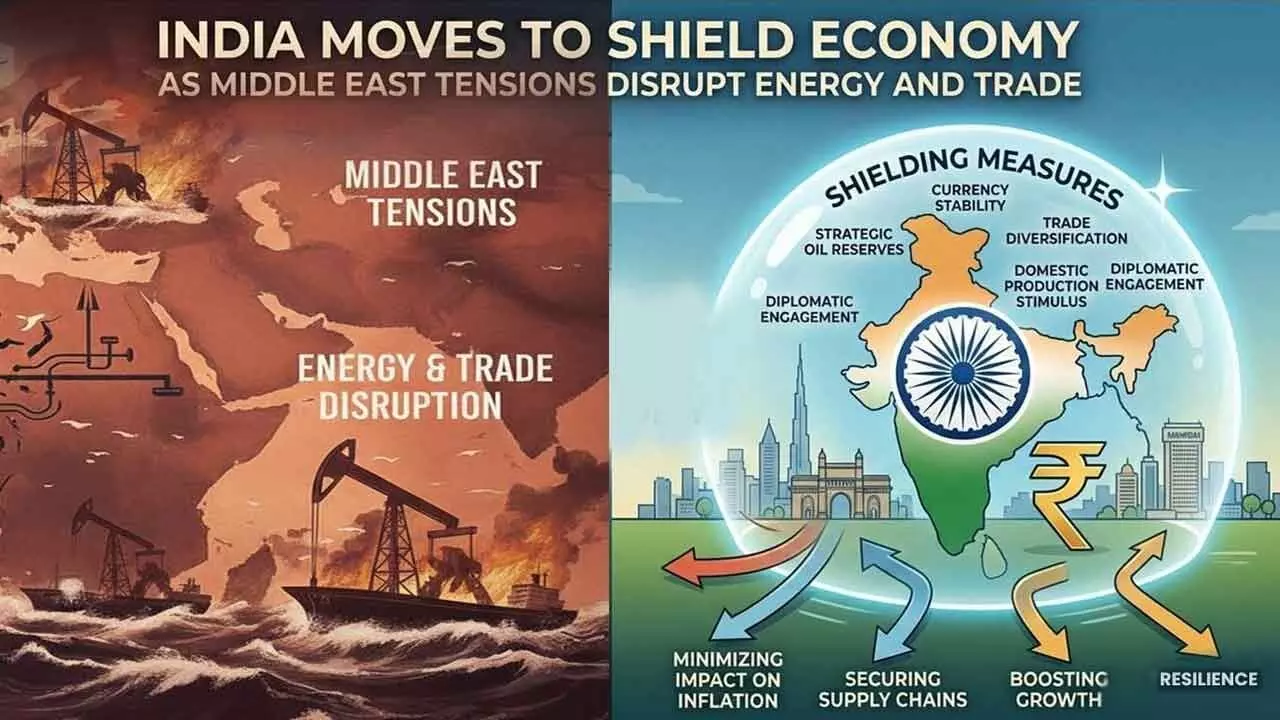
The US-Israel war on Iran, now in its 10th day, was meant to crush Tehran’s nuclear ambitions swiftly. Instead, relentless Iranian drone and missile strikes on US bases in the Gulf region have choked the Strait of Hormuz, sent oil prices soaring past $100 a barrel, and sparked a global economic storm. Ordinary Indians are feeling the pinch already—higher fuel bills, stranded workers, and the supply chain in disarray, while Washington is repenting its overconfidence.
Oil shockwaves rock global markets;
Stock futures plunged on Monday after West Texas Intermediate crude hit $109.75, a 19 per cent daily jump and 35 per cent weekly surge, the biggest since 1983. Brent topped $109, evoking 2022’s Ukraine crisis when prices last crossed $100. The Dow futures shed 806 points (1.7 per cent), S&P and Nasdaq (each 1.5 per cent), capping Wall Street’s worst week in a year.
Gulf giants’ output slashed: Iraq’s southern fields dropped 70 per cent to 1.3 million barrels per day from 4.3 million; Kuwait cut production amid tanker fears, while UAE managed storage overflows. With 20 per cent of world oil transiting the Strait now blocked by Iranian threats, storage tanks filled up, and exports were halted.
US President Donald Trump calls it a “small price to pay” for nuking Iran’s threat, but markets see a breaking point—prolonged $100 oil risks US recession and worldwide slowdown.
BlackRock’s Rick Rieder notes jittery investors hedging risks amid uncertain war length. No quick fix: Energy Secretary Chris Wright promises Hormuz traffic in “weeks, not months,” yet Iranian attacks persist on bases from UAE to Kuwait.
US regrets-Battlefield stalls:
Trump has boasted that the war was “already won” but Iran’s clerics installed Ali Khamenei’s hardliner son Mojtaba Khamenei as their new supreme leader, indicating that surrender was no on the cards. Trump admitted he’s “not happy” as diplomacy gets stalled even as a seventh US soldier dies.
Iran’s resilience stuns: Over 1,300 dead, yet drones continue to hit Israel, Gulf States and US assets every day. There has been no regime change, just defiance. Washington’s miscalculation—underestimating cheap Iranian weapons against depleted US stocks—mirrors Ukraine quagmire. Midterm elections loom with petrol prices jumping, eroding Trump’s “strongman” image.
Gulf economies in free fall:
US allies suffer most. UAE, Kuwait, Iraq—OPEC heavyweights—face output collapse and revenue evaporation. Over five million Indian expats in UAE and Saudi stare at loss of jobs as ports and refineries come to a grinding halt. Remittances, which are especially vital for families from Andhra Pradesh and Kerala, could plunge 20-30 per cent if the chaos drags any longer.
Stranded tankers idle; onshore ops limp: Gulf rulers, hosting US bases, now question the alliance as Iranian strikes expose the chunks in defence armour. Storage crises force “precautionary cuts,” but prolonged blockade spells fiscal ruin for oil-dependent monarchies.
Indians in anguish:
For India’s 10 crore citizens, this is no distant drama. Fuel inflation bites are real-A $20/barrel rise adds ₹15,000 crore yearly import bill and hikes diesel/petrol by Rs 20-30/litre. Amid truckers’ protest, food prices climbed 10-15 per cent.
Exports via Suez-Red Sea routes disrupted: Approximately, 2.6 million oil barrels from
Gulf turn costlier on every day basis. Gold/silver investments, popular in Mumbai households, are fluctuating wildly. IT hubs like Hyderabad take a hit due to Gulf-based client pullbacks, while drop in remittances hurting village economies.
G7 eyes strategic reserves release, but that’s a short-term measure. India stockpiles 10+ days’ oil—wise, but war extension demands diversification to Russia/US shale, thereby risking rupee strain.
Trump’s bravado masks panic:
Trump’s Truth Social rhetoric—”only fools think differently”—hides frustration. No victory parade; instead, they have to reckon with deaths of soldiers and market rout. Allies like Israel face daily hits and Gulf hosts repent basing US forces as blowback rains.
Hubris ignored Iran’s asymmetric edge: Drones cost thousands, evade billion-dollar shields. The multipolar world bites back—China/Russia back Tehran quietly, BRICS gains traction as the dollar wobbles.
Lessons for India- Stay neutral, stock up:
India must watch warily. Prime Minister Narendra Modi’s balanced ties—US defence deals, Russian oil and Persian cultural links—pay off. Push quiet mediation via neutral channels; avoid entanglement.
Citizens: Cut discretionary spends amid inflation; diversify savings beyond Gulf jobs.
Government: Accelerate green energy, refinery expansions.
This crisis underscores multi-polarity — superpowers falter, resilient neighbours endure.
War’s “cascading crisis” proves quick wins are illusory. US repentance grows as oil’s fire spreads globally.
For Indians, prudence trumps panic-secure supplies, protect workers, and bet on peace.
(The writer is with Cholleti BlackRobe Chambers, Hyderabad)


