







Health education in schools: Why knowledge must translate into behaviour
In Short
Health education in schools must go beyond awareness to encourage lasting behavioural change. Aligned with NEP 2020 and NCF-SE 2023, the focus should be on equipping teachers to help students practise healthy habits, from personal hygiene to mental well-being, and translate classroom lessons into everyday actions

Share :
Health education in schools: Why knowledge must translate into behaviour
India’s healthcare system has traditionally focused on treating illnesses after they occur. However, prevention deserves greater attention, as it can reduce suffering, improve quality of life and lower the need for costly medical treatment. Schools offer an important opportunity to promote preventive health by helping children develop healthy habits early in life. What they learn and practise during their school years can influence their well-being long after they leave the classroom.
The National Education Policy (NEP) 2020 places holistic development at the heart of education, recognising that academic achievement alone is not sufficient. Children must also learn to care for their physical, mental and social health. The National Curriculum Framework for School Education (NCF-SE) 2023 has incorporated Physical Education and “Well-being” as a core curricular area, reinforcing the importance of health and wellness in school education.
However, teaching health and well-being requires a different approach from teaching conventional academic subjects. In subjects such as Science, the primary objective is often to help students understand concepts and demonstrate their knowledge. Health education, on the other hand, must go beyond understanding. Its ultimate goal is to encourage students to adopt and sustain healthy behaviours in their everyday lives.
Consider handwashing as an example. A student may know that washing hands with soap and water before eating helps prevent infections. While this knowledge is important, it does not necessarily mean the student will follow the practice consistently. The real objective of health education is to ensure that the student develops the habit of washing hands before meals, without needing repeated reminders.
This is where teacher training becomes essential. Teachers need to understand the pedagogy of health education, which focuses not merely on communicating information but on helping students translate knowledge into action. They must be equipped to encourage healthy behaviours among children and support the development of habits that promote physical, mental and social well-being.
In the handwashing example, a teacher should explain why the practice is important, demonstrate the correct technique and allow students to practise it themselves. Students should receive feedback on their technique and be encouraged to follow the habit regularly. Teachers can reinforce the behaviour through classroom routines, reminders and positive encouragement. Over time, repeated practice can help make handwashing a natural part of a child’s daily routine.
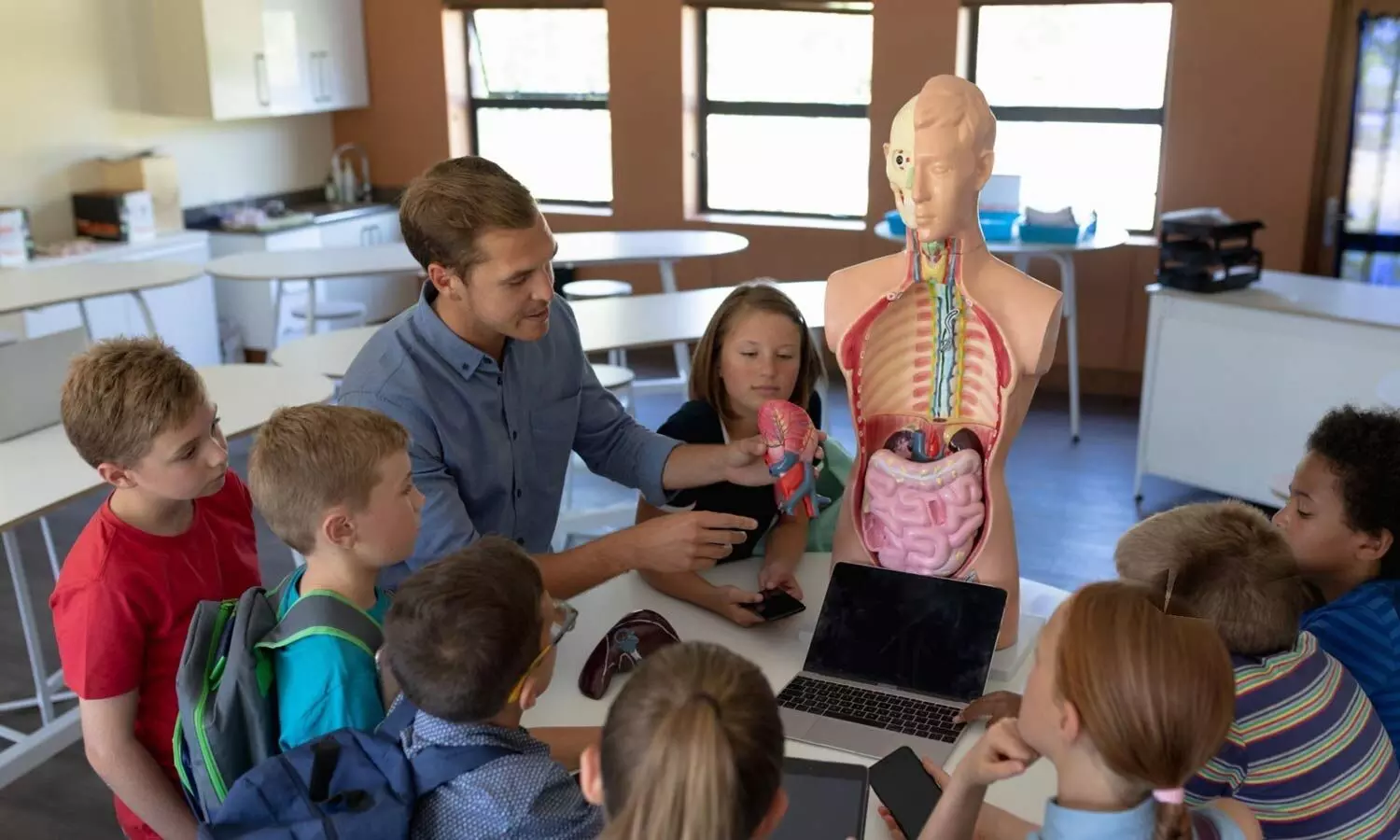
Similar approaches can be adopted for other health-related behaviours, including maintaining personal hygiene, eating nutritious food, engaging in physical activity, managing emotions and developing positive relationships with peers. These lessons become more meaningful when students participate in activities, discussions, demonstrations and practical exercises rather than simply memorising information.
Schools must therefore invest in preparing teachers before health education lessons are introduced. Training should equip them with practical teaching strategies, age-appropriate activities and methods to encourage behavioural change. Classroom instruction must provide children with opportunities to practise what they learn, while assessments should evaluate more than their ability to recall facts.
Schools need to ask important questions: Can students apply their health knowledge in everyday situations? Are they developing healthy habits? Can they demonstrate the behaviours they have been taught? Assessing these outcomes can help teachers identify where students need further guidance and support.
Schools have a vital role in preventive healthcare, but awareness alone is not enough. Children need the knowledge, motivation, guidance and opportunities to turn lessons into lasting habits. Effective health education begins with teachers who understand not only what to teach, but also how to help students practise it. By making behavioural change an integral part of health education, schools can contribute to healthier children and a healthier society.
(The author is Executive Chairman, Tarang Health Alliance and National Representative of India, UNESCO Chair Global Health & Education)


