
GBA plans ‘Seva Kendras’ on Passport Seva model

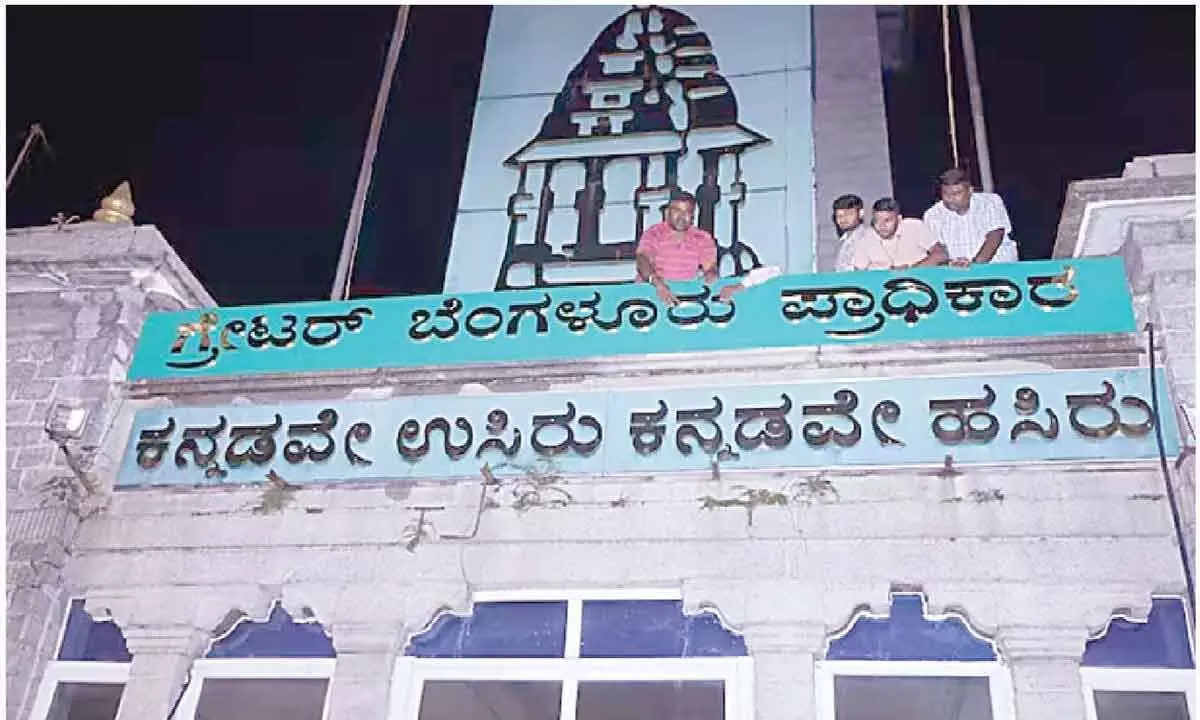
Bengaluru: Ina move aimed at improving citizen services, the Greater Bengaluru Authority (GBA) is preparing to launch new “Seva Kendras” modeled on the Passport Seva Kendra system.
These centres are being introduced as an alternative to the existing Bangalore One facilities, which currently provide multiple civic services under one roof. The new Seva Kendras aim to offer faster, more efficient services with minimal waiting time, though at a slightly higher but fixed fee structure.
According to officials, around 10 centres will be set up across Bengaluru, with two centres planned in each municipal zone. These centres will provide 27 different civic services in a single location.
The project is currently in the tender stage, with bidders allowed to quote service charges. Contracts will be awarded to those offering the lowest service fees. While the charges will be higher than standard government fees, they are expected to be significantly lower than what citizens often pay to middlemen for faster processing.
The centres are expected to become operational by June or July. Though operated by private entities, officials from the GBA will be stationed at these centres to ensure that applications are processed on-site without delays or the need to send files to other offices.
Citizens will be able to directly access services such as birth and death certificates, trade licenses, building plan approvals, and property-related services including e-Khata, A-Khata, and B-Khata allotments and conversions.
For instance, applicants may pay an additional ₹1,000 for e-Khata services, ₹2,500 to convert B-Khata to A-Khata, and developers may be charged around ₹1,500 per flat for apartment-related Khata services. Officially, the government fee for e-Khata is just ₹125, but due to delays and inefficiencies, citizens have reportedly paid anywhere between ₹3,000 and ₹60,000 through intermediaries.
GBA Special Commissioner Munish Moudgil stated that the entire application process will be handled under one roof, ensuring faster service delivery without file movement or unnecessary delays.
The initiative is particularly focused on speeding up the issuance of e-Khata documents, as the city is currently digitizing around 2.2 million property records. Delays and rejections in the existing system have hindered progress, and these new centres are expected to ease the burden on applicants and improve overall efficiency.


