
Bohag Bihu 2026: Assam Welcomes New Year with Colour, Culture, and Community Spirit

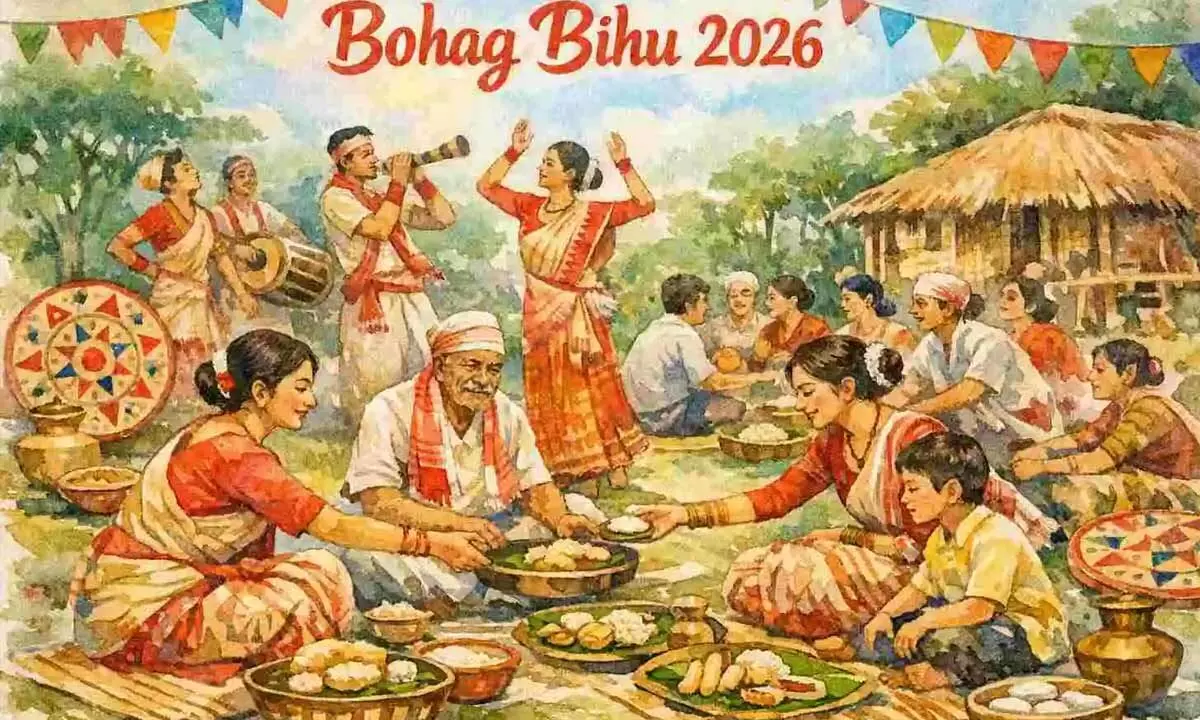
Bohag Bihu 2026 marks Assam’s vibrant New Year, celebrating spring, harvest, unity, and centuries-old traditions rooted in agrarian life.
Bohag Bihu, also known as Rongali Bihu, is far more than a seasonal celebration in Assam—it is an enduring cultural expression of life, love, and agriculture. As spring arrives in 2026, this beloved festival will once again fill the region with joy, colour, and anticipation for a fruitful year ahead. Deeply rooted in tradition, Bohag Bihu reflects the spirit of renewal and the timeless bond between people and nature.
When is Bohag Bihu 2026?
In 2026, Bohag Bihu will commence on April 14. The celebrations extend over seven days, each marked by rituals, gatherings, and cultural festivities that bring families and communities together in a shared spirit of joy.
Tracing the Origins: A Festival Born from the Soil
Bohag Bihu’s origins stretch back thousands of years to the early agrarian societies of the Brahmaputra Valley. It began as a simple yet meaningful way for indigenous communities to honour the earth and seek blessings for a prosperous harvest.
The term “Bihu” is believed to have evolved from the Sanskrit word “Bishu,” signifying prayers for abundance and well-being. Over centuries, what started as an agricultural observance gradually transformed into a festival rich in spiritual, cultural, and social dimensions.
The Essence of Bohag Bihu: Renewal and Togetherness
What sets Bohag Bihu apart is its deep connection to everyday life in Assam. It is not merely a celebration but a reflection of seasonal change, cultural identity, and collective hope. As winter fades and spring blooms, the festival symbolizes new beginnings—both for the land and its people.
Rongali Bihu embodies renewal. It marks the transition in seasons, the rejuvenation of crops, and a fresh start for communities. People wear new clothes, exchange greetings, and participate in traditional music and dance, keeping age-old customs alive across generations.
Seven Days of Celebration: Rituals and Significance
The festival unfolds over a week, with each day holding unique importance:
Goru Bihu: Dedicated to cattle, recognising their vital role in agriculture through rituals and prayers.
Manuh Bihu: A day for people to exchange blessings and celebrate human connections.
Gohain Bihu: Honouring elders and seeking their guidance for the coming year.
Kutum Bihu: Strengthening family ties by visiting relatives.
Tator Bihu/Nangolor Bihu: Preparations begin for the grand festivities ahead.
Jiyori Bihu (Senehi Bihu): Celebrating youth, love, and relationships.
Mela Bihu: The grand finale featuring fairs, music, dance, and communal feasts.
Colours, Dance, and Flavours: What to Expect
During Bohag Bihu, Assam transforms into a vibrant cultural canvas. Streets and villages come alive with traditional attire—men in dhoti and gamosa, and women in the elegant mekhela chador.
The rhythmic beats of Bihu dance and the soulful tunes of Bihu Geet echo across the region, narrating stories of life and love. Bonfires, known as Meji, symbolically mark the end of winter.
Food plays a central role in the celebrations. Traditional delicacies such as pitha (rice cakes), laru (sweet treats), and fresh vegetable dishes are prepared and shared generously, reinforcing the spirit of togetherness.
A Festival of Gratitude and Joy
At its core, Bohag Bihu is an expression of gratitude—towards nature, the land, and the community. It beautifully blends tradition with modernity, bringing together people of all ages in celebration.
As 2026 approaches, excitement is already building across Assam—from bustling towns to serene villages. Bohag Bihu stands as a powerful reminder of the state’s rich cultural heritage and the enduring spirit of its people.


