
The Influence of Rock and Metal Culture on Retail Trends

Explore how rock and metal culture influence modern retail trends, from edgy fashion and band merchandise to lifestyle branding, alternative aesthetics, and youth-driven consumer behavior.
Retail has always been a mirror of changes in culture, but rock and metal music has had the biggest effect on specialised commerce. In many areas, from fashion and collectibles to music formats and store experiences, these kinds of music are redefining how stores deal with enthusiastic customers. What started as a secret campaign against the rules has grown into a key force behind purchasing trends based on identification all across the world.
Identity Driven Consumer Behaviour
In rock and metal culture, it's highly vital to be yourself, speak your mind, and be loyal. Unlike popular consumer fads that change fast, fans of these kinds of music tend to develop deep emotional ties to the music, musicians, and symbols that go along with it over time. Stores have stopped selling generic things and are now focusing on carefully picked events that are driven by the community, since people have such a strong feeling of who they are.
The Revival of Physical Music Formats
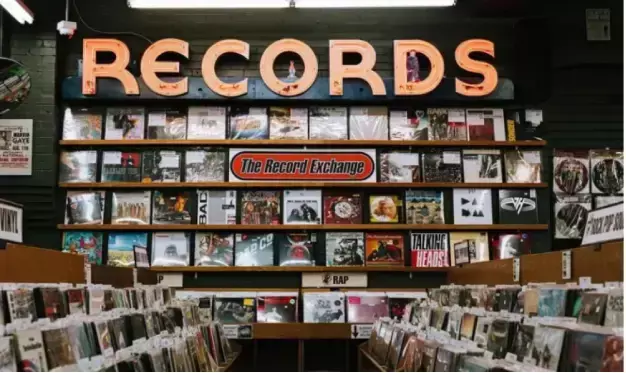
The emergence of physical music formats is a huge change that rock and metal culture has brought to stores. Vinyl records, in particular, have made a significant comeback. Fans prefer possessing an actual record because it lets them feel linked to the music, from the cover art to how it sounds when they play it. Because of this, stores have introduced additional vinyl collections, special editions, and exclusive pressings.
Fashion Influenced by Music Subculture
Fashion is another area where this cultural impact is obvious. People used to exclusively wear band merch, graphic tees, leather accessories, and big statement pieces to concerts, but now they wear them all the time. Clothing lines that are more expressive and show off music-based identities are presently in stores. These lines combine styles from different subcultures with regular fashion.
Experiential Store Design and Atmosphere
You can see that rock and metal music has had a major effect on stores. A lot of retailers now use gloomy lighting, industrial designs, and carefully chosen playlists to make their stores feel like they are part of the tale. Fans enjoy these products because they make shopping more than just a transaction; they make it an experience.
Community and Fan Engagement
A lot of people like to build groups right now. People who prefer rock and metal typically look for places to meet other fans of the same music. In response, stores have thrown parties, held events, and released new CDs. The idea of utopia reflects this perfectly, representing a space where music lovers gather and share their passion.
The Power of Exclusivity and Collectibles
Limited editions and exclusive releases are two significant things that make people want to buy in this field. Fans really want unique treasures, signed goods, and rare albums. Stores make use of this by making special collections and partnerships that get customers enthusiastic about their brands and keep them coming back.
Digital Expansion with Authentic Roots
Rock and metal stores are still highly essential, but it's easier to get to them now that digital media are around. Brands can talk to individuals all across the world on social media while still being themselves. The internet is getting bigger, but the focus on community, identity, and passion hasn't altered.
Conclusion
Rock and metal music and society have a major effect on shopping patterns that go beyond just the things you buy. Putting experience, honesty, and emotional engagement at the top of the list has revolutionised how retailers interact with customers. Culture is continually evolving, but its effects will always be a large part of what makes shopping experiences essential and real.


