
From Home Kitchens to Fine Dining: A Chef’s Perspective on Taste and Time

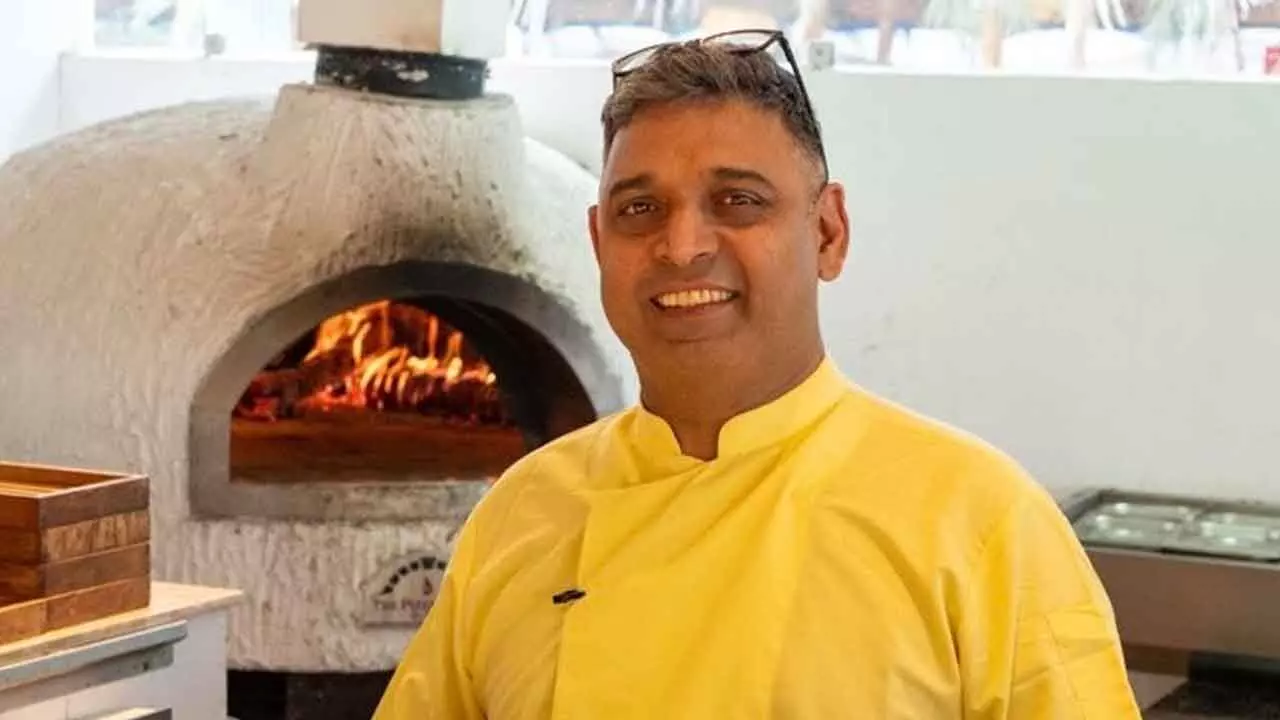
Chef Aloysius D’Silva, often known as Chef Aloo, chef at Uma By the Sea, Goa , traces his culinary philosophy to a childhood shaped by home kitchens, family traditions, and coastal flavours. In this conversation, he reflects on how early influences, technique, and personal memory intersect in his work today. Moving between tradition and contemporary dining, his approach reveals a thoughtful balance between emotion, craft, and cultural continuity.
Q: You were born and raised in Bandra, with strong family food traditions. How did that early exposure influence your decision to become a chef?
I grew up in a family where food was central to daily life. My father was an excellent cook, and meals at home were occasions we looked forward to, especially when he was around. Watching him cook wasn’t just about the food itself; it was about the care and attention behind it. That environment made me realise early on that cooking could be meaningful, not just functional. It shaped my understanding of food as something that connects people and carries emotion.
Q: In a fast-paced kitchen culture, why do you still value traditional processes like hand-ground masalas?
The way an ingredient is handled affects its outcome. Grinding spices by hand produces a different texture and releases flavours gradually, which changes how a dish develops. Machines are efficient, but they often flatten these nuances. Choosing traditional methods isn’t about rejecting progress; it’s about recognising when a slower process adds depth that cannot be achieved otherwise.
Q: Your dishes often reinterpret traditional flavours in a refined setting. How important is balance in this process?
Balance is essential. It’s about maintaining the integrity of the original dish while adapting it to a different context. Many traditional recipes carry personal and cultural significance, so the goal is not to alter them beyond recognition. Instead, I try to present them in a way that respects their origins while making them relevant in a contemporary dining environment.
Q: When creating a dish, do memories guide you more than technique?
Both play a role, but memory often comes first. A dish usually begins with a recollection—an aroma, a taste, or a moment. Technique then helps translate that into something consistent and presentable. At the same time, exposure to different cuisines and ideas has expanded how I think about flavour and execution, allowing me to approach these memories with new perspectives.
Q: How do you stay grounded amid constantly changing food trends?
Trends are inevitable, and it’s useful to be aware of them. However, they shouldn’t dictate your work entirely. I rely more on intuition, which comes from experience and familiarity with my roots. That helps me decide what aligns with my approach and what doesn’t. The focus remains on flavour and authenticity rather than novelty for its own sake.
Q: Is there a dish that best represents your philosophy?
A prawn curry inspired by home-style cooking comes close. It reflects the kind of meals I associate with family and comfort. The intention is not to make it overly complex but to preserve its familiarity while presenting it thoughtfully. It captures the idea that food can evoke memory and emotion without needing to be elaborate.
Q: How would you like diners to remember their experience?
Ideally, as something relaxed and enjoyable rather than formal or overwhelming. The aim is for people to leave with a sense of ease and a few distinct impressions—flavours, textures, or moments that stay with them beyond the meal.
Q: How do you see Indian coastal cuisine evolving in fine dining?
There is growing interest in regional coastal food, and that will likely continue. Better access to ingredients and wider awareness are already changing how these cuisines are perceived. In fine dining, this could mean more careful representation of traditional techniques alongside modern presentation. It offers an opportunity to highlight the diversity and depth of coastal food without reducing it to a trend.


