
From Paneer Tikka to Dal Makhani: How Indian Flavors Conquered Global Menus

Indian cuisine has long been celebrated for its vibrant spices, diverse ingredients, and deeply rooted culinary traditions. Over the past few decades, these flavors have travelled far beyond the borders of India, becoming an integral part of global dining culture. Today, dishes like Paneer Tikka and Dal Makhani are no longer confined to Indian households or local eateries—they have found a proud place on menus in restaurants from New York to London, Dubai to Sydney. The global rise of these dishes reflects the growing appreciation for Indian cuisine and its ability to adapt while retaining its authentic character.
The Appeal of Bold Indian Flavors
One of the primary reasons for the international success of Indian cuisine is its bold and layered flavour profile. Indian cooking combines aromatic spices such as cumin, coriander, turmeric, and garam masala to create dishes that are both comforting and complex. For global diners seeking new culinary experiences, these flavours provide an exciting departure from familiar tastes.
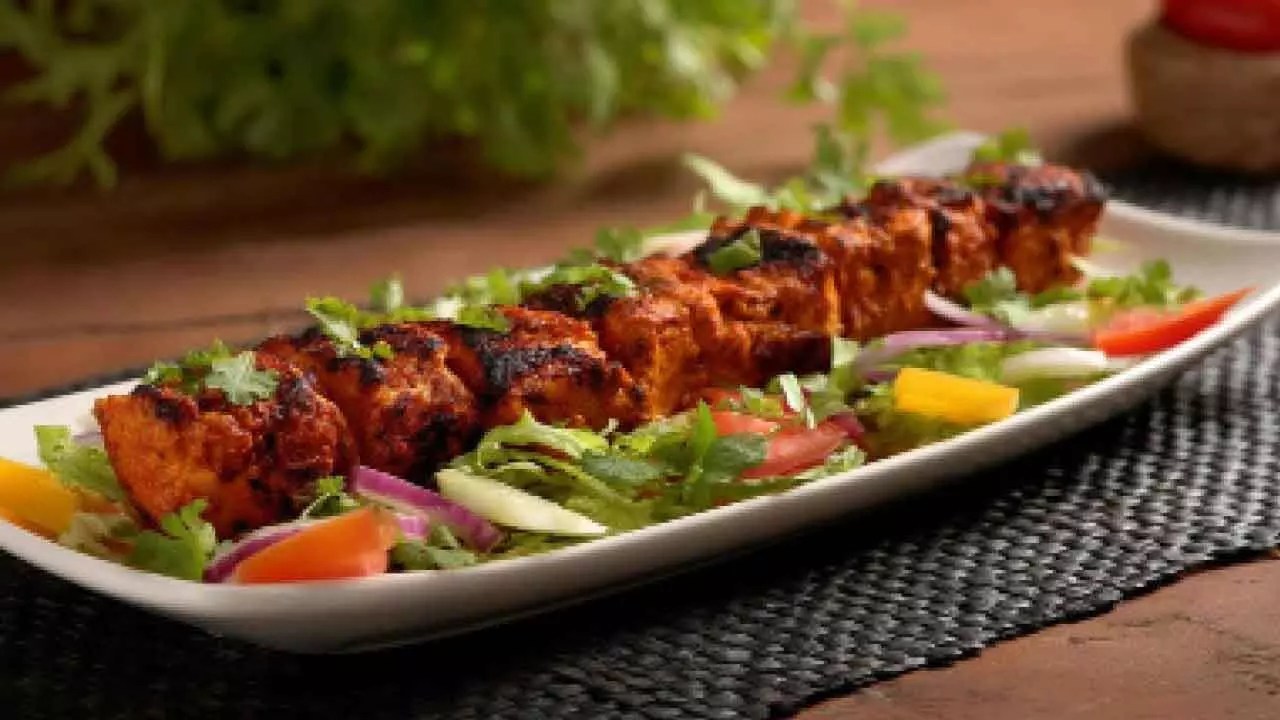
Take Paneer Tikka, for example. This popular North Indian appetizer features cubes of paneer marinated in yogurt, spices, and herbs, then grilled in a traditional clay oven known as a tandoor. The result is a smoky, flavourful dish with a vibrant orange hue that appeals to both vegetarians and non-vegetarians alike. Its combination of simplicity and bold taste has made it a staple starter in Indian restaurants around the world.
The Global Comfort of Dal Makhani
If paneer tikka represents the bold and vibrant side of Indian cuisine, Dal Makhani embodies comfort and indulgence. Made with slow-cooked black lentils, butter, cream, and spices, this iconic dish from North India has become synonymous with rich, hearty Indian meals. Its creamy texture and deep flavour make it appealing even to those who may be new to Indian food.
In international restaurants, dal makhani often serves as the centerpiece of a meal, paired with naan or basmati rice. Many chefs abroad have embraced the dish for its universal comfort-food appeal. Despite minor adaptations in spice levels or presentation, the soul of the dish remains rooted in traditional cooking techniques that emphasize slow simmering and patience.
Indian Cuisine in the Global Restaurant Scene
The global spread of Indian food has been fuelled in part by the Indian diaspora and the growth of Indian restaurants worldwide. Cities with vibrant multicultural communities have embraced Indian cuisine not only as an ethnic specialty but as a mainstream dining choice.
In countries like the United Kingdom, Indian food has become deeply integrated into everyday dining culture. Classic dishes, including Paneer Tikka and Dal Makhani, appear alongside innovative fusion creations that blend Indian flavors with international techniques.
Fine-dining chefs have also played a role in elevating Indian cuisine globally. By presenting traditional dishes with modern plating and refined ingredients, they have introduced Indian flavours to audiences who might otherwise associate the cuisine only with casual dining. This shift has helped Indian food gain recognition in prestigious culinary circles and global food festivals.
The Rise of Vegetarian and Plant-Forward Dining
Another factor contributing to the global popularity of Indian dishes is the increasing interest in vegetarian and plant-based diets. Indian cuisine naturally offers a wide range of vegetarian dishes that are both satisfying and flavourful.
Dishes like Paneer Tikka provide a protein-rich alternative to meat-based appetizers, while lentil-based classics such as Dal Makhani showcase how legumes can be transformed into deeply satisfying main courses. As more diners look for sustainable and plant-forward options, Indian cuisine offers a wealth of inspiration.
Tradition Meets Innovation
While authenticity remains important, innovation has also played a role in bringing Indian cuisine to a global audience. Many chefs experiment with creative variations, such as paneer tikka tacos or dal makhani served as part of contemporary tasting menus. These reinterpretations make traditional dishes more accessible to diverse diners while still honouring their origins.
Food delivery platforms and social media have further accelerated the global reach of Indian cuisine. Vibrant images of sizzling paneer tikka or creamy dal makhani shared online spark curiosity and encourage diners to explore new flavours.
A Culinary Journey Without Borders
The journey of dishes like Paneer Tikka and Dal Makhani from local kitchens to international restaurant menus reflects the universal power of food to connect cultures. As chefs continue to celebrate Indian ingredients and techniques, these beloved dishes will likely keep evolving while preserving their authentic essence.
In a world where culinary boundaries are increasingly fluid, Indian cuisine stands out as a vibrant ambassador of flavour, tradition, and creativity—proving that great food truly knows no borders.
(The writer is an Assistant Chef at Sahib & Dhaba Restaurant, New York)


