
Royal kitchens of north India: Influence of Mughlai and Awadhi cuisine

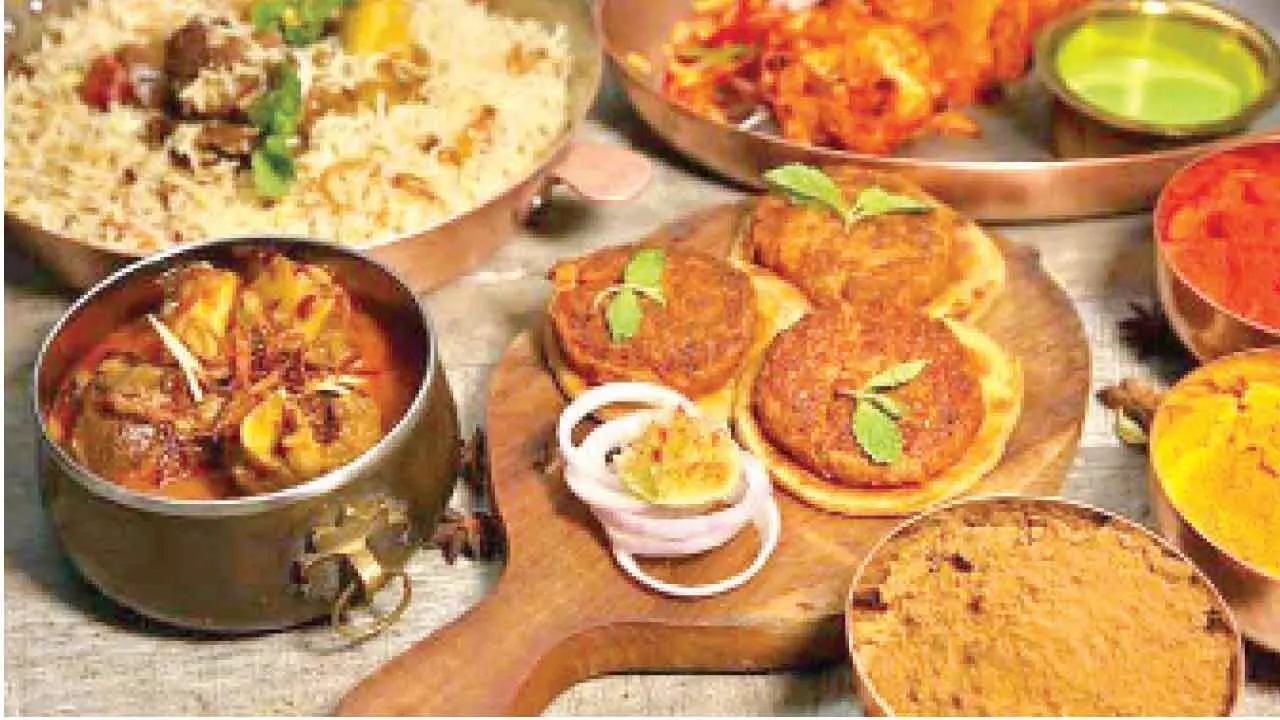
Rooted in royal heritage, Mughlai and Awadhi cuisines represent the pinnacle of North India’s rich culinary traditions. Their refined techniques, aromatic flavours, and cultural fusion continue to shape Indian gastronomy even today
The culinary landscape of North India is deeply rooted in its royal past, where food was not merely sustenance but an expression of power, refinement, and cultural fusion. Among the most influential traditions to emerge from this era are Mughlai and Awadhi cuisines—two rich, aromatic, and sophisticated styles of cooking that continue to define North Indian gastronomy today.
The Mughal Legacy: A Blend of Cultures
Mughlai cuisine traces its origins to the kitchens of the Mughal Empire, which ruled large parts of India from the 16th to the 19th century. The Mughals brought with them culinary influences from Central Asia, Persia, and the Middle East, which blended seamlessly with local Indian ingredients and techniques.
Royal chefs, known as rakabdars, were tasked with creating elaborate dishes that pleased the emperors. The result was a cuisine known for its richness, use of dried fruits and nuts, aromatic spices, and slow-cooked gravies. Dishes like biryani, korma, nihari, and kebabs became staples of royal banquets.
Mughlai cooking is characterised by the generous use of cream, butter, saffron, and spices such as cardamom and cloves. The technique of dum cooking—where food is slow-cooked in sealed pots to retain moisture and flavour—became a hallmark of this cuisine. This method not only enhanced taste but also allowed for the infusion of complex aromas, making each dish a sensory experience.
Awadhi Cuisine: Elegance from Lucknow
While Mughlai cuisine laid the foundation, Awadhi cuisine evolved in the royal kitchens of Lucknow under the Nawabs of Awadh. Known for its subtlety and refinement, Awadhi food is often considered a more delicate and nuanced version of Mughlai cooking.
The Nawabs were great patrons of the arts, and their kitchens reflected this cultural sophistication. Awadhi chefs perfected techniques like dum pukht, where dishes are cooked over a slow fire in sealed containers, allowing flavours to mature gradually.
One of the most iconic contributions of Awadhi cuisine is the galouti kebab, said to have been created for a toothless Nawab who still desired the taste of meat. These melt-in-the-mouth kebabs are made with finely minced meat and a blend of over 100 spices. Similarly, Awadhi biryani differs from its Mughlai counterpart by being lighter, more fragrant, and less spicy.
Other notable dishes include kakori kebabs, shami kebabs, sheermal (a saffron-flavored flatbread), and rich kormas that are delicately spiced rather than heavily seasoned.
Techniques That Define Royal Cooking
Both Mughlai and Awadhi cuisines share a commitment to technique and detail. Slow cooking, marination, layering of flavours, and the use of sealed pots are central to their preparation. Ingredients are carefully selected, and cooking is treated as an art form.
The use of the deg (large cooking pot) and handi (deep cooking vessel) is common, especially for preparing biryanis and curries. The emphasis is not just on taste but also on aroma and presentation—key elements in royal dining.
Lasting Influence on Modern Indian Cuisine
Today, the legacy of Mughlai and Awadhi cuisines can be seen across India and beyond. From fine-dining restaurants to street-side eateries, dishes like butter chicken, biryani, and kebabs remain immensely popular.
In cities like Delhi and Lucknow, one can still find establishments that preserve traditional recipes passed down through generations. The influence has also spread globally, with Indian restaurants around the world showcasing Mughlai and Awadhi dishes as part of their core offerings. Moreover, modern chefs are reinterpreting these classic recipes, balancing tradition with contemporary tastes. Health-conscious adaptations, fusion dishes, and innovative presentations are helping these royal cuisines stay relevant in today’s culinary scene.
The royal kitchens of North India have left an indelible mark on the country’s food culture. Mughlai and Awadhi cuisines, with their rich flavours, refined techniques, and historical significance, continue to captivate food lovers across generations. They are not just culinary traditions but living legacies that tell the story of India’s regal past—one exquisite dish at a time.
(The writer is an assistant chef at The Imperia by Dhaba, New Jersey, USA)


