
India’s Many New Years: Six States, Six Unique Celebrations

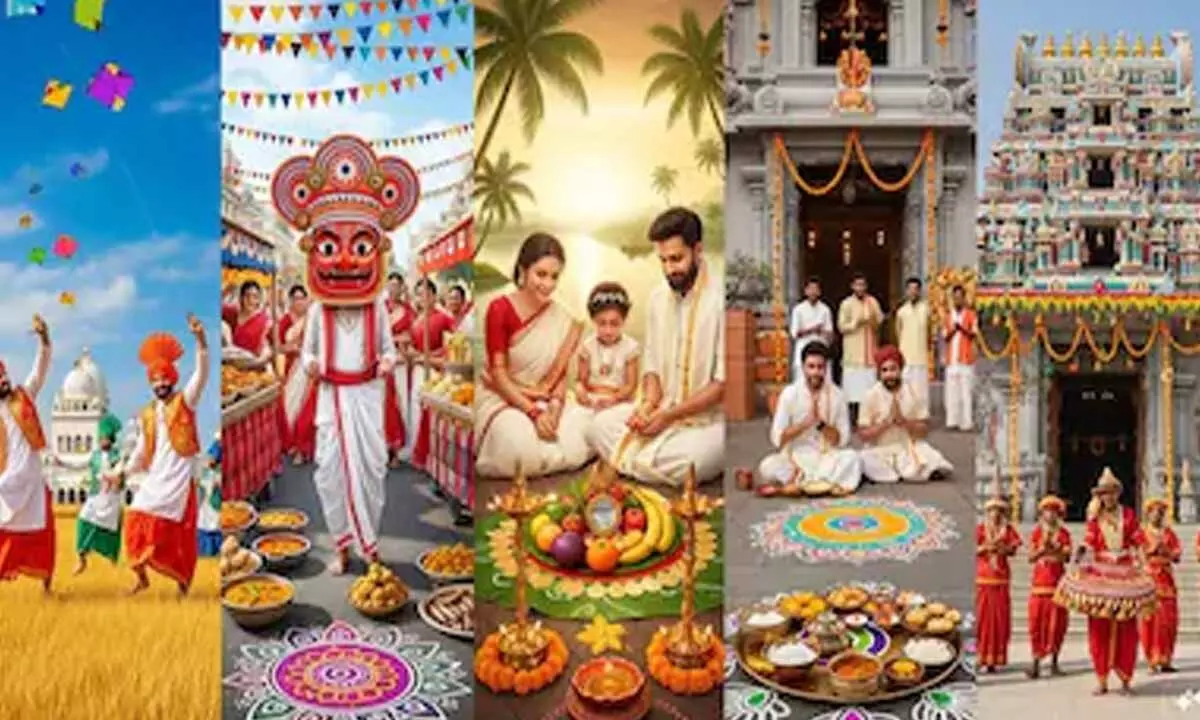
Six Indian states celebrate New Year on April 14–15 with unique traditions, reflecting culture, harvest cycles, and regional diversity.
India’s cultural diversity shines vividly in mid-April, when several states celebrate their New Year—each in its own distinctive way. While the dates—April 14 and 15—coincide, the customs, rituals, and flavours vary widely, offering a rich glimpse into regional traditions shaped by history, agriculture, and spirituality.
Baisakhi: Harvest and Heritage in Punjab and Haryana
In northern India, Baisakhi is both a harvest festival and a deeply significant religious occasion. For Sikh communities, it commemorates the formation of the Khalsa in 1699 by Guru Gobind Singh.
The day is marked by vibrant celebrations, including kirtans (devotional singing), energetic Bhangra and Gidda performances, and visits to Gurdwaras for prayers. Farmers celebrate the successful harvest season, expressing gratitude for nature’s bounty. The festive spirit blends devotion with joy, making Baisakhi one of the most important days in the region.
Puthandu: A Fresh Start in Tamil Nadu
Tamil Nadu welcomes the New Year with Puthandu, a festival centered around renewal and positivity. The day begins early with a ritual bath and prayers, setting a spiritual tone.
A key tradition is the “Kanni,” or the first sight of the day, believed to influence the year ahead. Homes are decorated with flowers and mango leaves, symbolizing prosperity. A special dish, “Mango Pachadi,” is prepared using raw mango, jaggery, and spices, representing the sweet, sour, and bitter experiences of life. Families gather for elaborate meals featuring traditional delicacies.
Pohela Boishakh: Bengali Traditions Come Alive
In West Bengal, Pohela Boishakh marks the Bengali New Year with color, culture, and culinary delights. The day typically begins with temple visits and prayers.
Celebrations include festive meals featuring iconic dishes like “Shorshe Ilish” (hilsa fish in mustard sauce). Sweets such as Rasgulla and Sandesh are prepared in abundance. Streets come alive with processions, music, and cultural performances, while families exchange gifts and greetings, strengthening social bonds.
Vishu: Auspicious Beginnings in Kerala
Kerala celebrates Vishu with deep spiritual significance and unique rituals. The highlight is the “Vishu Kani,” a carefully arranged display of auspicious items—rice, fruits, flowers, and coins—viewed first thing at dawn to bring prosperity.
Families gather for the Vishu feast, a traditional vegetarian spread. Homes are decorated with floral arrangements, and fireworks add to the festive atmosphere. Vishu reflects the importance of hope, abundance, and new beginnings in Kerala’s cultural fabric.
Bohag Bihu: Assam’s Joyful New Year
In Assam, Bohag Bihu ushers in the New Year along with the agricultural season. This three-day festival is filled with music, dance, and community bonding.
The first day involves cleaning homes and wearing new clothes, symbolizing renewal. The second day is dedicated to feasting and celebrations, while the third focuses on visiting elders and seeking blessings. Traditional Bihu dance and songs energize the festivities, and dishes like Pitha (rice cakes) add to the cultural richness.
Sajibu Cheiraoba: Tradition and Community in Manipur
Manipur celebrates its New Year with Sajibu Cheiraoba, a festival rooted in tradition and community spirit. The day begins with ritual prayers, followed by visits to family members and neighbours.
Food plays a central role, with dishes like “Iromba,” made from mashed vegetables, taking center stage. Community gatherings feature music, dance, and traditional games. Closely linked to the agricultural calendar, the festival signifies the start of a new crop cycle and a hopeful beginning.
A Shared Date, Diverse Expressions
Although these festivals fall on the same dates, their meanings and practices differ remarkably. From harvest celebrations to spiritual rituals, each festival reflects the unique identity of its region.
Together, they highlight India’s extraordinary ability to celebrate unity in diversity—where one day can hold multiple meanings, yet bring millions together in joy, gratitude, and hope for the year ahead.


