






Cheiraoba 2026: Manipur Welcomes New Year With Tradition and Togetherness

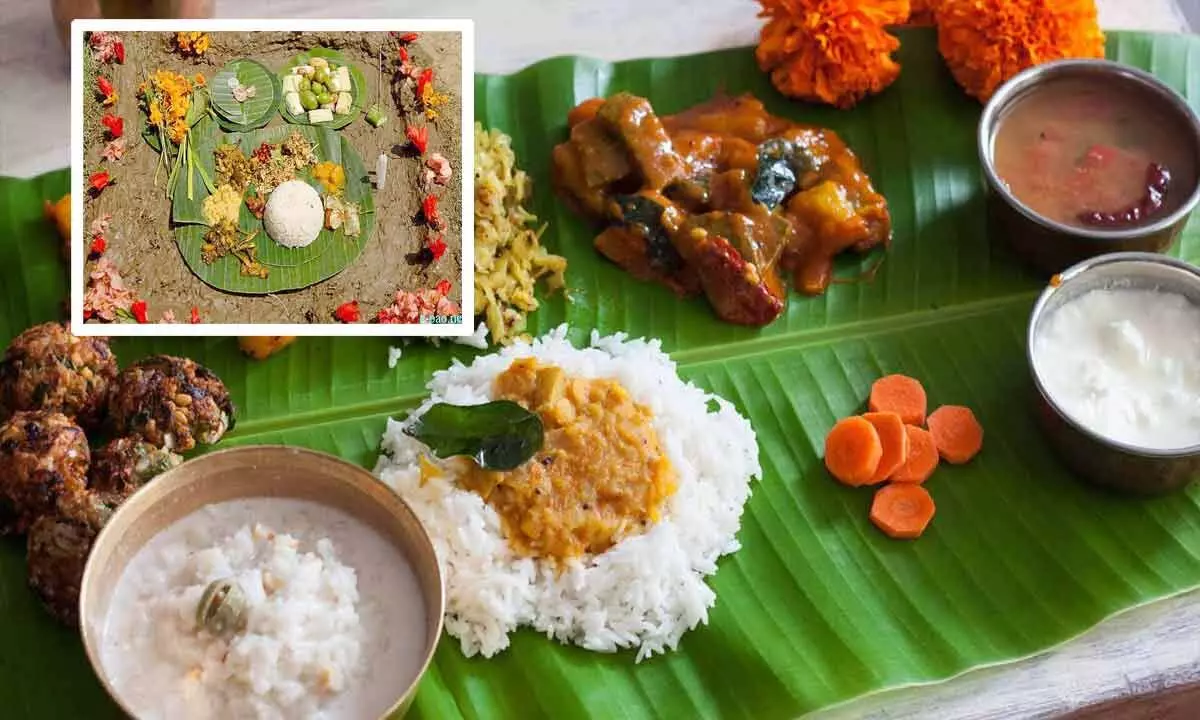
Cheiraoba marks the Manipuri New Year with rituals, food, and unity, celebrating renewal, gratitude, and the arrival of spring harvest.
Cheiraoba, the traditional New Year festival of Manipur, will be celebrated on April 14, 2026. Rooted in the lunar calendar, this vibrant occasion marks the beginning of a new year for the Manipuri community. Observed across the state and by Manipuri families worldwide, the festival blends spirituality, culture, and a strong sense of togetherness.
Celebrated during April each year, Cheiraoba aligns with seasonal transitions, symbolising renewal and fresh beginnings. It is not just a date on the calendar but a deeply meaningful cultural event that reflects the region’s heritage and values.
Significance: A Time for Renewal and Gratitude
Cheiraoba goes beyond festive celebrations—it represents a spiritual reset and a hopeful start to the year ahead. For the people of Manipur, it is a time to reflect on the past and welcome the future with positivity.
The festival holds agricultural importance as well, coinciding with the onset of the new harvest cycle. It is an occasion to thank deities and ancestors for their blessings and seek continued prosperity. Families come together to strengthen bonds, share joy, and express gratitude for the previous year’s experiences.
At its core, Cheiraoba embodies renewal—of relationships, faith, and connection with nature.
Rituals and Traditions: A Day of Sacred Practices
Preparations for Cheiraoba begin early, with households thoroughly cleaned to symbolise the removal of negativity and the welcoming of fresh energy. On the day of the festival, people dress in new clothes, reflecting the spirit of new beginnings.
Families perform prayers at home and visit temples to seek blessings. Special offerings are made to deities, and traditional dishes form an essential part of the celebration. Popular foods include Eromba, a flavourful preparation of boiled vegetables and fish, and Chakhao Kheer, a sweet delicacy made from black rice.
One of the unique customs observed during Cheiraoba is the “Shifting of the Paat.” In this ritual, elders bless younger members of the family by gently touching their heads, symbolising the passing of goodwill and guidance to the next generation.
Another distinctive tradition is the symbolic climb of nearby hills, especially around the Imphal Valley. This act represents progress, growth, and the aspiration for a better year ahead.
Community Spirit and Cultural Celebrations
Cheiraoba is as much about community as it is about tradition. Across Manipur, especially in Imphal and surrounding areas, the festival is marked by cultural programmes, music, and dance performances that bring people together.
It is also a time for reconciliation and harmony. Old misunderstandings are set aside, and people embrace the opportunity to begin anew. The shared celebrations foster unity and reinforce a collective cultural identity.
As the day progresses, families gather for festive meals, exchange sweets, and spend time with loved ones, strengthening social ties and spreading joy.
Why Cheiraoba Is Celebrated in April
The timing of Cheiraoba in April is closely linked to nature and agriculture. As spring unfolds and the earth begins to rejuvenate, it marks the ideal moment to celebrate new life and growth.
This period signifies the transition into a new agricultural cycle, making it a meaningful time to offer prayers for a fruitful harvest. The warming weather and blooming environment further enhance the symbolism of fresh beginnings.
A Festival Rooted in Tradition and Hope
For Manipuris, Cheiraoba is more than just a New Year celebration. It is a reflection of their cultural roots, a moment of introspection, and a reaffirmation of living in harmony with nature and community.
With its blend of rituals, food, and heartfelt connections, Cheiraoba continues to stand as a powerful reminder of renewal, gratitude, and togetherness.


