






Ram Navami 2026 Date Confirmed: Puja Timings, Muhurat and Ritual Guide

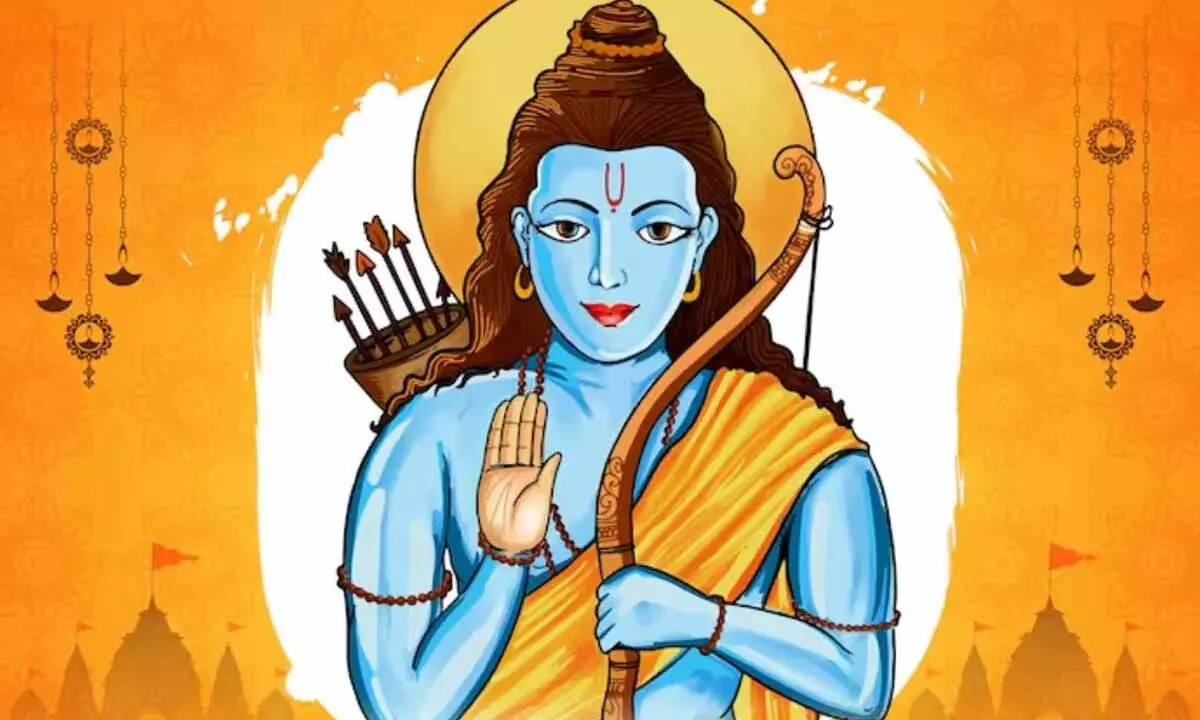
Ram Navami 2026 falls on March 26 for most devotees, with sacred Madhyahna puja timings guiding rituals nationwide.
Ram Navami, one of the most revered Hindu festivals, commemorates the birth of Lord Ram, regarded as the seventh incarnation of Lord Vishnu. The festival is marked with devotion, fasting, temple visits, and traditional rituals across India and among Hindu communities worldwide.
In 2026, uncertainty arose because the auspicious Navami tithi overlaps two calendar days. Based on traditional Panchang calculations, the festival will primarily be observed on Thursday, March 26, 2026.
The Navami tithi begins at 11:48 AM on March 26 and concludes at 10:06 AM on March 27. Since the sacred lunar phase spans both days, some devotees—especially those following specific Vaishnava traditions—may choose to observe Ram Navami on March 27. However, for most households and general observance, March 26 is regarded as the main festival day.
Auspicious Puja Muhurat and Sacred Timing
The most spiritually significant period for Ram Navami worship is the Madhyahna Muhurat. This midday window is traditionally believed to be the time of Lord Ram’s birth and is considered ideal for performing the main rituals.
On March 26, the Madhyahna Muhurat will run from:
11:13 AM to 1:41 PM
Duration: 2 hours 27 minutes
Exact birth moment: 12:27 PM
Devotees who observe the festival on March 27 will follow the same Madhyahna Muhurat window, as the timing remains astrologically aligned.
It is during this sacred period that temples conduct special ceremonies and households perform detailed prayers to honour the divine birth.
How Devotees Celebrate Ram Navami
Ram Navami is observed with a blend of spiritual discipline and heartfelt devotion. Preparations typically begin early in the day, with devotees cleaning their homes and prayer spaces to create a serene environment.
Ritual Bath and Preparation
The day begins with a purifying bath. People then wear fresh, clean clothes—often traditional attire—before starting religious observances. Cleanliness and mental focus are considered essential before prayer.
Sankalp and Fasting
Many devotees take a sankalp, a solemn spiritual vow, committing themselves to fasting and worship with sincerity. Some observe a full-day fast, while others follow fruit or satvik diets.
Idol Worship and Offerings
An idol or image of Lord Ram is ceremonially bathed using sacred water and Panchamrit—a traditional mixture of milk, curd, honey, ghee, and sugar. This ritual symbolizes purification and reverence.
After the ceremonial bath, devotees decorate the idol and offer:
- Sandalwood paste
- Fresh flowers
- Tulsi leaves
- Incense and lamps
These offerings represent devotion, purity, and surrender.
Marking the Birth Moment
As the Madhyahna moment approaches, homes and temples fill with spiritual energy. Devotees chant sacred mantras, ring bells, and blow conch shells to celebrate the divine birth. The atmosphere becomes festive yet deeply devotional.
Scriptural Recitation
Reading passages from the Ramayana is considered highly auspicious. The Bal Kand, which narrates Lord Ram’s birth and childhood, holds special significance on this day. Many families organize group readings or listen to spiritual discourses.
Bhog and Aarti
After prayers conclude, devotees offer bhog—sanctified food—to the deity. This is followed by aarti, a ritual of waving lamps accompanied by devotional songs. The blessed food is later shared among family members and visitors as prasad.
A Festival of Faith and Values
Ram Navami is more than a ritual observance—it is a celebration of righteousness, duty, compassion, and moral courage, values embodied by Lord Ram. The festival brings families together in prayer and reflection, reinforcing cultural and spiritual traditions passed down through generations.
Whether observed at home or in temples, the day offers devotees a chance to reconnect with faith and renew their commitment to virtuous living.


