
World Parkinson’s Day 2026: Bridging Gaps in Care and Awareness

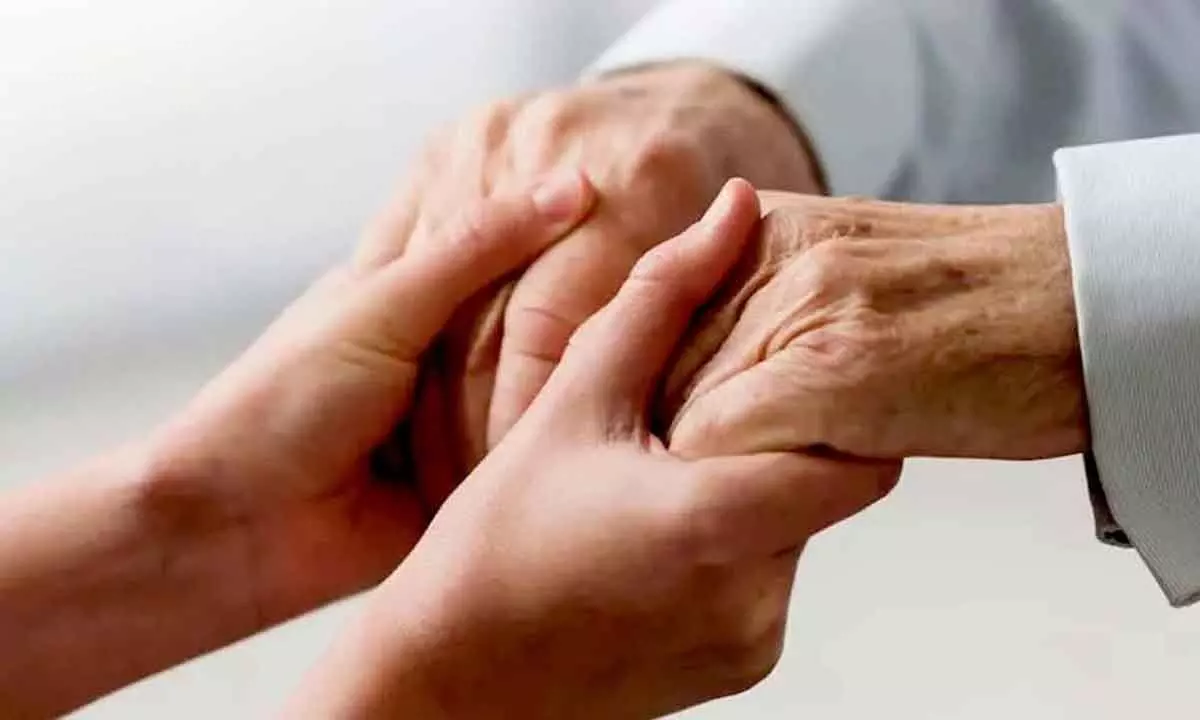
World Parkinson’s Day 2026 calls for urgent action to close care gaps and improve access for millions living with Parkinson’s.
Observed every year on April 11, World Parkinson’s Day shines a spotlight on Parkinson’s disease—a progressive neurological condition affecting millions globally. The day is both a tribute and a reminder: tribute to the pioneering work of Dr. James Parkinson, and a reminder of the urgent need for awareness, early diagnosis, and better care systems.
Parkinson’s is more than a medical condition—it reshapes everyday life, impacting movement, speech, and independence. For many families, it becomes a shared journey of resilience and caregiving.
Why April 11 Matters
The date marks the birth anniversary of Dr. James Parkinson, who first described the condition in 1817 in his groundbreaking work An Essay on the Shaking Palsy. His observations laid the foundation for over two centuries of research into the disease.
Since 1997, April 11 has been recognised globally as World Parkinson’s Day, uniting patients, caregivers, doctors, and researchers in a collective effort to improve lives.
Theme for 2026: A Call to Close the Gap
The theme for this year, "Bridge the Care Gap," highlights a pressing issue—unequal access to Parkinson’s care. Despite advances in treatment, many patients still struggle to access specialists, therapies, and long-term support.
This theme urges policymakers, healthcare providers, and communities to ensure that care is not a privilege but a right. It emphasises comprehensive support—from diagnosis to rehabilitation and mental health services.
Understanding Parkinson’s Disease
Parkinson’s disease is caused by the gradual loss of dopamine-producing neurons in the brain. Dopamine is essential for smooth and coordinated muscle movements.
Common early signs include:
- Tremors, especially in the hands
- Slowed movement (bradykinesia)
- Muscle stiffness
- Changes in posture, balance, handwriting, or voice
Globally, nearly 10 million people are living with Parkinson’s, making it one of the fastest-growing neurological disorders.
Diagnosis: More Than Just One Test
There is no single definitive test for Parkinson’s. Diagnosis typically involves a clinical evaluation by a neurologist, supported by medical history and symptom analysis.
Doctors may use:
- Neurological examinations
- Brain imaging like MRI or CT scans
- DaT SPECT or PET scans in complex cases
- Response to medications such as levodopa
Early diagnosis plays a crucial role in managing symptoms effectively and improving long-term quality of life.
Treatment and Daily Management
While there is no cure yet, several treatment options help manage symptoms:
Medications:
Levodopa remains the most effective drug, often combined with other medicines to regulate dopamine levels.
Surgical Options:
Deep Brain Stimulation (DBS) can help patients with severe symptoms not controlled by medication.
Therapies and Lifestyle:
Physiotherapy, speech therapy, and occupational therapy are vital. Regular exercise, a balanced diet, proper sleep, and mental engagement also significantly improve well-being.
How the Day Is Observed
World Parkinson’s Day is marked by awareness campaigns, medical camps, seminars, and community events worldwide. The red tulip, the official symbol, represents hope and solidarity in the fight against Parkinson’s.
Activities include:
- Public awareness drives
- Free health checkups
- Research discussions
- Social media campaigns
- Support sessions for caregivers
Why Awareness Matters
Beyond medical treatment, the day plays a crucial role in reducing stigma, supporting caregivers, and encouraging timely medical consultation. It also drives funding and research efforts toward better therapies and, ultimately, a cure.
The Road Ahead
Parkinson's diagnosis can be life-altering, but with the right support, many continue to lead fulfilling lives. World Parkinson’s Day serves as a powerful reminder that awareness, early action, and equitable care can make a meaningful difference.
The message is clear this year: bridging the care gap is not optional—it is essential.


