







- Tamil Nadu Government Apologises to Supreme Court Over Thirupparankundram Temple Lamp Row
- Black Friday 2026: iPhone 17 Pro vs iPhone 18 Pro – Where to Get the Best Deals?
- SCR announces special trains from Hyderabad for Sankranti
- Saurav Das moves Delhi High Court after allegedly being stopped from travelling to UK
- Dilip Ghosh mocks Congress over UP seat sharing talks, says party survives on ruckus and statements
- Annanagar wallows in civic neglect as bad roads, dirty water plague dwellers
- No solo rides, embrace shared mobility: CP Dr M Ramesh
- IRISET sharpens railway workforce skills
Maha govt forms special panel to revive cooperative sugar mills
In Short
The state cooperation department today released the Government Resolution (GR), citing that two decades ago, Maharashtra boasted over 200 operational cooperative sugar mills.

Share :
comprehensive revival and financial empowerment plan for the sector.
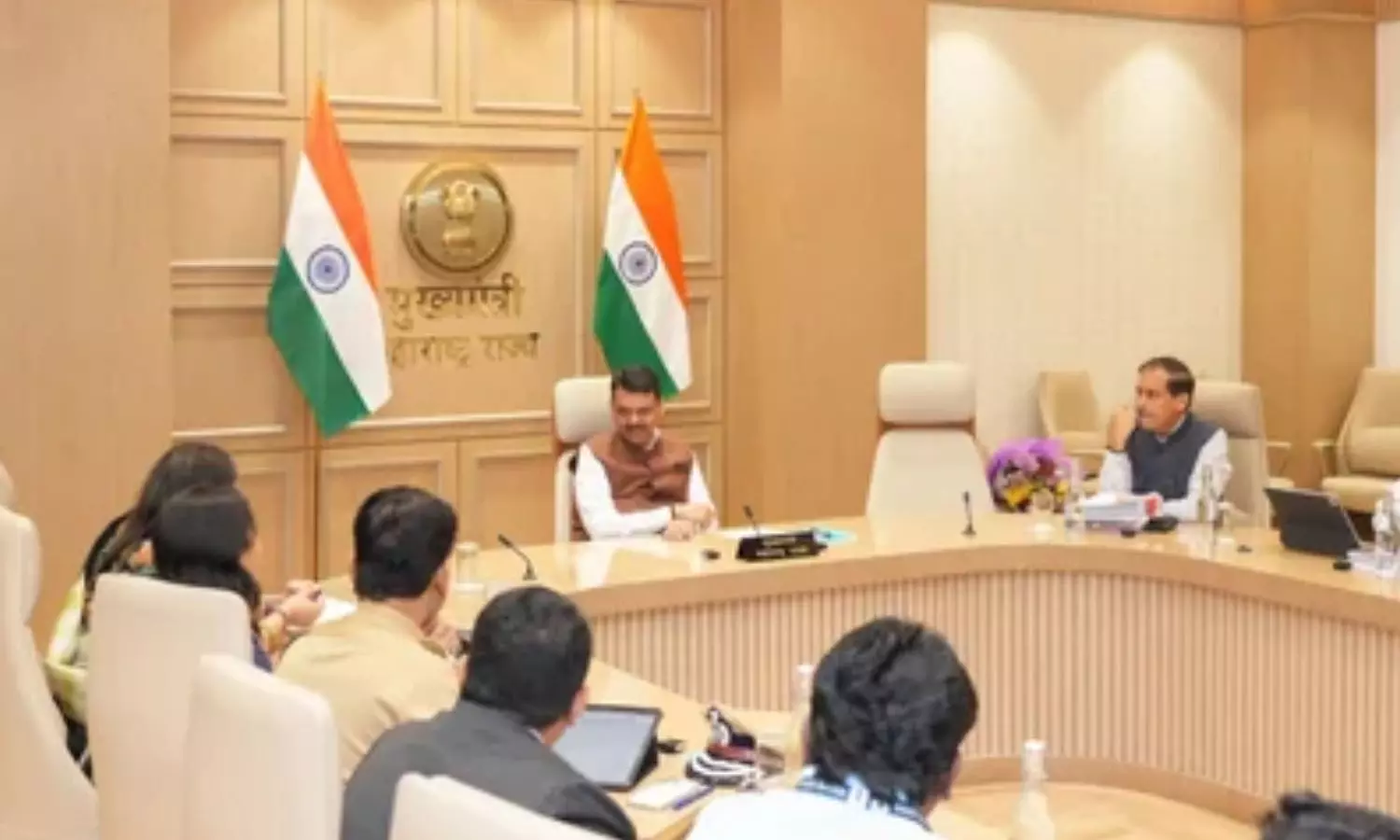
Mumbai: Concerned over the steady decline in the number of cooperative sugar factories across Maharashtra, the state government on Monday constituted a 13-member special committee to chart out a comprehensive revival and financial empowerment plan for the sector.
The state cooperation department today released the Government Resolution (GR), citing that two decades ago, Maharashtra boasted over 200 operational cooperative sugar mills.
However, over the past 25 years, financial distress, liquidation proceedings, and closures have brought the number of actively crushing cooperative mills down to under 100.
Currently, 30 to 32 of these mills are operated by private management on a lease or partnership basis, leaving only about 75 cooperative factories running independently on their own financial strength.
To address this crisis, the Cooperation Department and the Maharashtra State Cooperative Development Bank will conduct a joint study to formulate a new sustainability model.
Headed by the Sugar Commissioner, the newly formed committee has been directed to submit its detailed report and recommendations to the government within two months.
According to a Government Resolution (GR), even though 33 cooperative sugar mills received financial assistance through the National Cooperative Development Corporation (NCDC) on state government guarantees over the last two years, their financial health has yet to fully stabilise.
Recognising the need for long-term structural reforms, the government has tasked the panel with evaluating debt burdens, crushing capacities, production costs, and the independent financial viability of each mill.
The panel will also recommend policies regarding seasonal cash credit accounts, escrow mechanisms, loan recovery, and a dedicated revival and rehabilitation fund.
"Consequently, the number of cooperative mills crushing on their own has dropped to around 75. The GR states that without financial assistance routed through NCDC with state government guarantees for 33 cooperative factories over the past two years, the number would have fallen even further—though financial viability remains incomplete," said the GR.
A key focus of the committee will be reducing the mills' sole dependence on sugar production by exploring an integrated biorefinery model.
To boost revenue streams, the panel will study the feasibility of producing 10 value-added byproducts, including ethanol, compressed biogas (CBG), co-generation of power, solar energy, green hydrogen, sustainable aviation fuel (SAF), and biochemicals.
For these diversification projects, the committee will assess a proposed funding structure comprising a 20% contribution from the Central Government, 10% from the State Government, and 70% from the sugar mills themselves.
PM Modi’s decades-old personal bond with late Parkash Singh Badal draws BJP-Akali Dal closer
Trump, Nvidia and China: The Story Behind Jensen Huang's 11-Day Nvidia Dramatic Comeback as CEO
Polling set for 23 Andhra Pradesh ULBs
Telangana SEC releases draft graduate voter rolls
VHP Demands Stringent Action Against TVK Govt For Insulting Judiciary and Hindus
Tamil Nadu Government Apologises to SC: Shifts Blame To Temple Trust


