






The Law vs. The Bomblet — Why Cluster Bombs are the World’s Most Controversial Weapon #war without a finish line

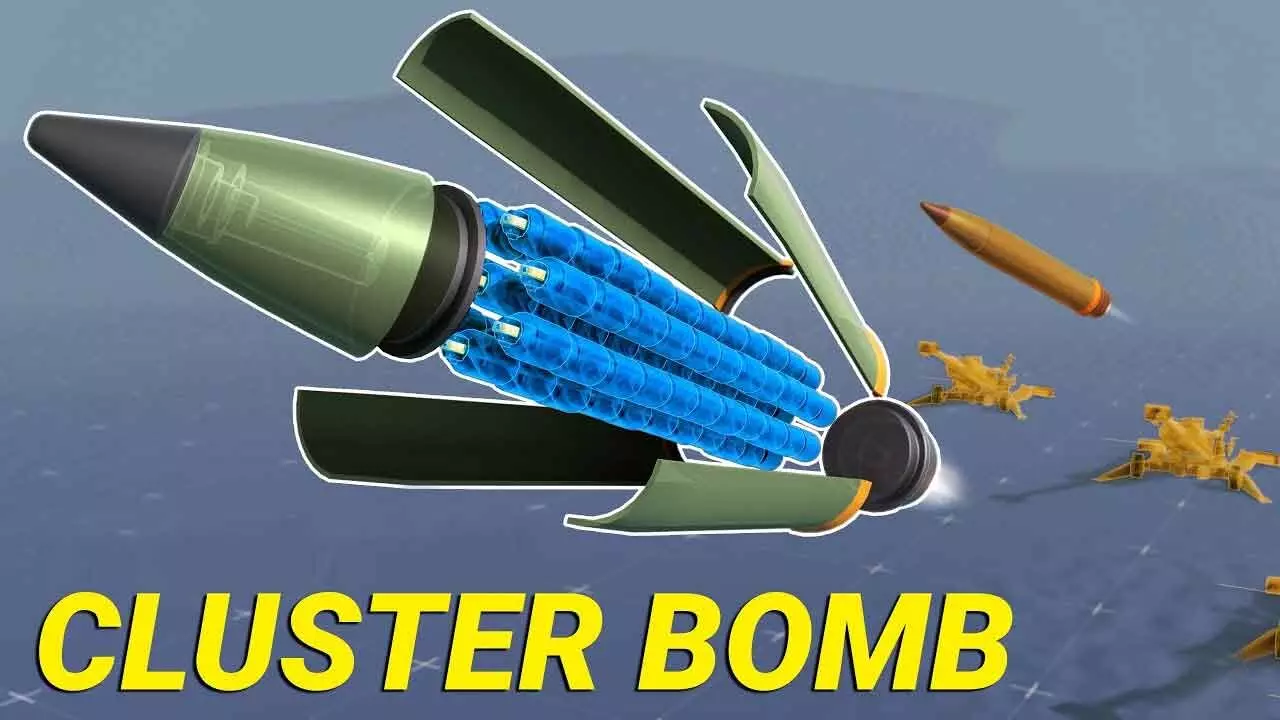
In the world of international law, some weapons aren't just seen as "deadly"—they are viewed as moral failures. Cluster bombs fall into this category because they break the most fundamental rule of combat: The war must end when the soldiers leave.
1. The Treaty of the Defiant
There is a "Global No-Go List" for these weapons called the Convention on Cluster Munitions. Over 100 nations have agreed that these bombs are too cruel to exist. However, there is a massive legal loophole: If you don’t sign the paper, the law doesn't apply to you. Because the U.S., Israel, and Iran haven't signed, they continue to operate in a "legal gray zone," using weapons that much of the world has already labeled as "inhumane."
2. The "Blind" Strike Rule
Even without a specific ban, international law forbids indiscriminate attacks. A cluster bomb is essentially a "blind" weapon. Once it opens in the sky, it doesn't care if it hits a tank or a school bus. Using these in populated areas like Beirut or Tehran is often considered a war crime because the weapon is physically incapable of "picking a side" once the bomblets start to fall.
3. The "Legacy of Death" Clause
Perhaps the most powerful legal argument is the "Dud Rate." International law demands that weapons must be "clean." Cluster bombs are notoriously "dirty." When 10% to 30% of the bomblets fail to explode, they stop being weapons of war and start being permanent death traps for civilians. Legally, leaving these behind is like planting a million landmines and walking away—a direct violation of the duty to protect non-combatants.
The deployment of cluster munitions in West Asia marks a chilling shift from tactical warfare to a permanent humanitarian crisis. By rainng down "blind" explosives that transform neighborhoods into active minefields, the combatants are ensuring that the agony of this conflict will outlast the final ceasefire. As the U.S., Israel, and Iran bypass global bans to deploy these "dirty" weapons, they aren't just fighting for today’s territory—they are planting a lethal legacy that will claim innocent lives for decades to come.
NEET Paper Leak Fallout: Dharmendra Pradhan Steps Down as Education Minister, Says ‘I Never Shied Away From Responsibility’
AI Appreciation Day 2026: Trust and infrastructure emerge as the next frontier for AI, say experts
Few Takers for HILT Policy in Hyderabad Amid Low Response
Cockroach Janta Party Protest LIVE Updates: Demonstrators Assemble at Jantar Mantar
Fire breaks out at a building in Ameerpet of Hyderabad, fire brigade arrives
ED’s Vedanta raids raise questions about proportionality, perception


