
PM Modi Mobilizes States as Helium Crisis Hits Critical Industries

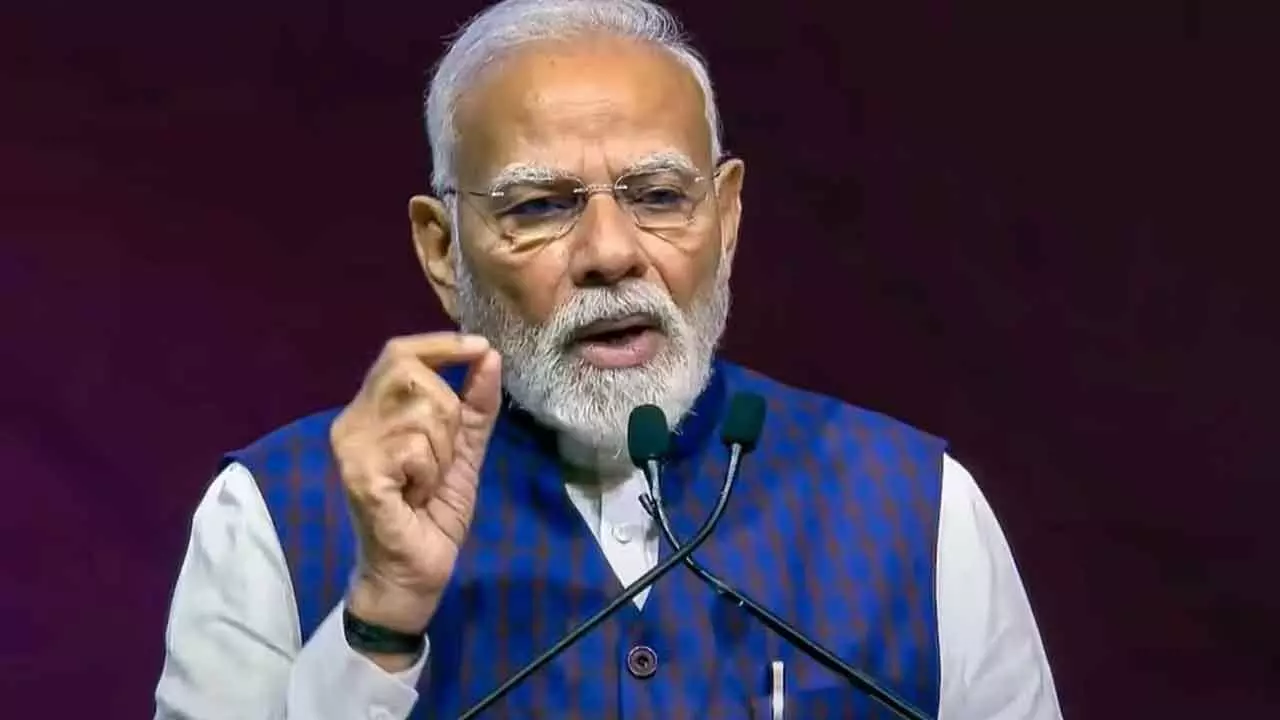
Prime Minister Narendra Modi chaired a high-level virtual meeting with Chief Ministers and Lieutenant Governors on Friday to review India’s preparedness as the escalating conflict in West Asia moves into its second month. While global headlines remain focused on oil, the meeting highlighted an emerging and "invisible" threat to India’s high-tech and healthcare sectors: the global helium collapse.
With the Strait of Hormuz effectively restricted and production at Qatar’s Ras Laffan facility halted due to regional instability, India—which relies heavily on these supply lines—is bracing for significant disruptions.
A Call for "Administrative Alertness"
During the conference, the Prime Minister emphasized a unified "Team India" approach, similar to the coordinated response seen during the COVID-19 pandemic. He urged state leaders to activate district-level control rooms and maintain strict vigilance against hoarding and profiteering of essential gases and medical supplies.
"Our priority is to maintain economic stability and ensure that our healthcare infrastructure remains resilient," the Prime Minister stated. "We must work together to ensure that the impact on the common citizen is minimized through proactive logistics management."
Why Helium Matters:
The disruption of approximately one-third of the global helium supply has placed three specific sectors in the "High Risk" category for India:
1. The Healthcare Crisis (MRI Units)
India’s massive network of diagnostic centers is facing a "quench" risk. MRI machines require liquid helium to keep their magnets at superconducting temperatures.
* The Danger: A total loss of helium in a machine can cause permanent damage, costing crores to repair.
* State Directive: PM Modi has asked states to prioritize helium deliveries to major government and private hospitals to prevent a shutdown of life-saving diagnostic services.
2. Semiconductor and Electronic Manufacturing
As India pushes to become a global hub for chip manufacturing, the helium shortage threatens the "clean room" environments necessary for semiconductor production.
* The Impact: Delays in the supply chain could slow down production for India’s burgeoning electronics sector, affecting everything from smartphones to automotive components.
3. Aerospace and Strategic Research
Helium is indispensable for satellite launches and high-altitude research. Organizations like ISRO and various defense laboratories are reportedly monitoring their stockpiles closely to ensure mission-critical operations are not compromised.
Economic Safeguards and "West Asia" Preparedness
The meeting also touched upon broader economic impacts, including the supply of LPG and fertilizers. To mitigate the crisis, the government highlighted that it has expanded its energy import sources to 41 countries, reducing the vulnerability of any single region.
Key Measures Announced:
* Excise Duty Cut: The government recently reduced central excise duty on petrol and diesel by ₹10 per liter to buffer against inflationary pressures.
* Maritime Security: Special attention is being given to coastal states to ensure the safety of Indian merchant vessels rerouting around the Cape of Good Hope.
* Exploration: The PM reiterated the need to fast-track domestic exploration of oil, natural gas, and primary helium deposits within Indian borders.
While the Prime Minister expressed confidence that India would "successfully overcome the situation," he warned that the consequences of the conflict could persist for an extended period. State governments have been directed to submit detailed "Contingency Readiness Plans" by the end of the week to ensure that the supply of essential commodities remains uninterrupted.


