






Anthropic CEO Says Company Unaware of How Claude Was Used in Deadly Iran School Strike

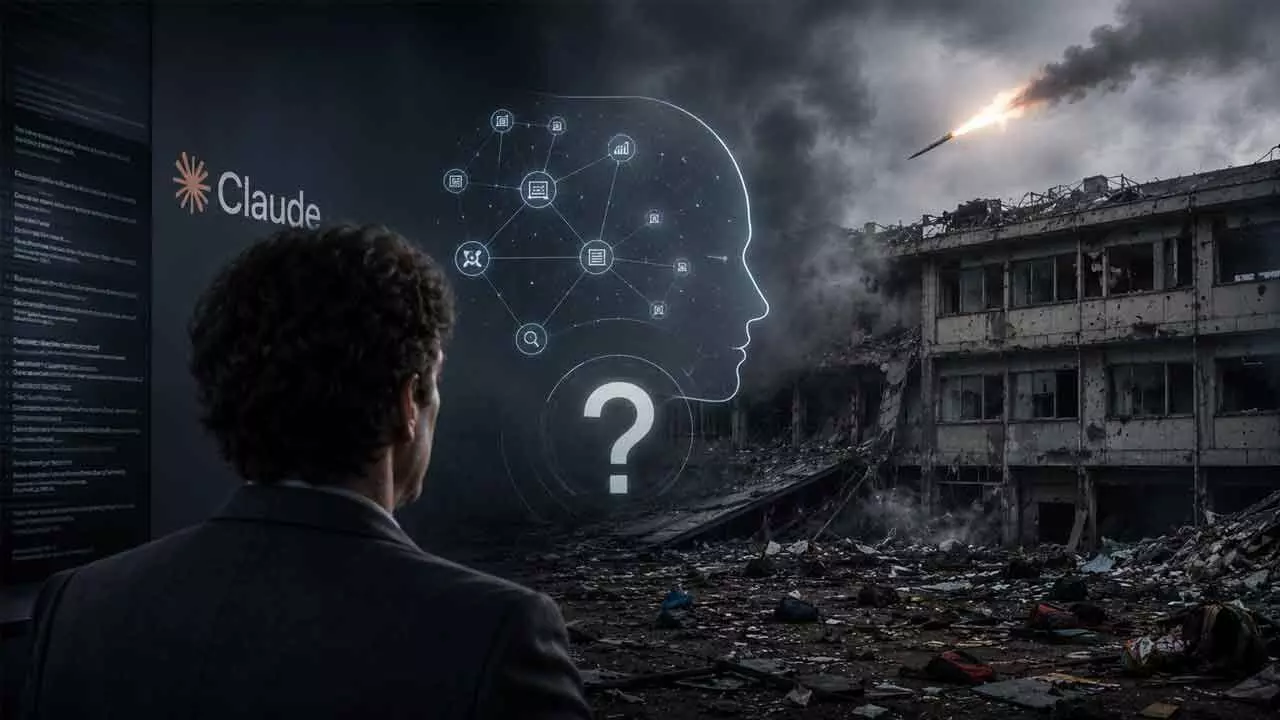
Anthropic CEO Dario Amodei says the company lacks visibility into military AI deployment, stressing the need for strict safeguards.
Anthropic CEO Dario Amodei has acknowledged that his company does not know exactly how its Claude artificial intelligence models may have been used during a controversial military operation in Iran that reportedly resulted in the deaths of 175 people, most of them schoolgirls. However, he argues that the incident underscores the urgent need for clear rules and human oversight in military AI deployments.
The comments come amid ongoing debate over the role of artificial intelligence in modern warfare and the responsibilities of technology companies whose tools are increasingly being adopted by defense organisations.
Earlier this year, the US Pentagon announced plans to discontinue the use of Anthropic’s Claude models following disagreements over the scope of military AI usage. According to reports, the Department of Defense sought the ability to use AI systems for “all lawful purposes,” while Anthropic pushed for restrictions in certain areas of military application.
Despite the growing tensions between the two sides, Claude models were reportedly still being used by the Pentagon during military operations in Iran in February. Reports have suggested that the AI system may have played some role in a strike on a school that killed 175 people. However, details regarding the exact involvement of AI in the operation remain unclear.
Addressing the issue in an interview with Bloomberg, Amodei said, “Look, we don’t have access to, we don’t know exactly how these models were used.” He described the incident as “a really terrible thing to happen.”
While the Pentagon has not officially accepted responsibility for the strike, multiple reports indicate that US forces were likely involved in the bombing. Media reports suggest the attack may have been based on outdated intelligence that incorrectly identified the location as an active military site. It remains uncertain whether AI-generated analysis contributed to the targeting decision.
Amodei emphasised that, regardless of any AI involvement, a human decision-maker was likely responsible for authorising the strike. “The principle that we have established, and I think the principle that was obeyed here, is that a human makes the final decision,” he said.
According to the Anthropic chief executive, the tragedy demonstrates why strict safeguards are essential as military organisations increasingly incorporate AI into operational planning and intelligence analysis. He added, “I don’t know what role Claude or any other AI had, but if this isn’t an illustration why that principle is so important, I don’t know what is.”
Amodei further stated that, based on the information currently available, any potential use of Claude in the operation would not have violated Anthropic’s policies. He noted that military commanders can make errors “even at the best of times” and defended the broader strategic use of AI in defense operations.
“We don’t want a world where China and Russia can build, can analyse all the intelligence with AI, can use AI for attacking Taiwan and Ukraine, and we can’t defend them,” he said.
Anthropic’s relationship with the US military has continued to deteriorate. The company was reportedly designated a “supply chain risk” after the Pentagon rejected two of its proposed conditions: prohibiting the use of AI for domestic mass surveillance and preventing the development of autonomous weapons systems. Anthropic has challenged that designation in court.
Reports indicate that OpenAI’s models are expected to replace Anthropic’s systems within parts of the US military infrastructure. At the same time, recent reports suggest that certain US intelligence agencies, including the National Security Agency (NSA), are using Claude Mythos in cybersecurity and strategic planning efforts, including scenarios related to global cyber operations.
The controversy highlights the growing challenges facing governments and AI developers as advanced technologies become increasingly intertwined with national security and military decision-making.


