
Hate speech laws must reflect realities of society: Rasool Khan

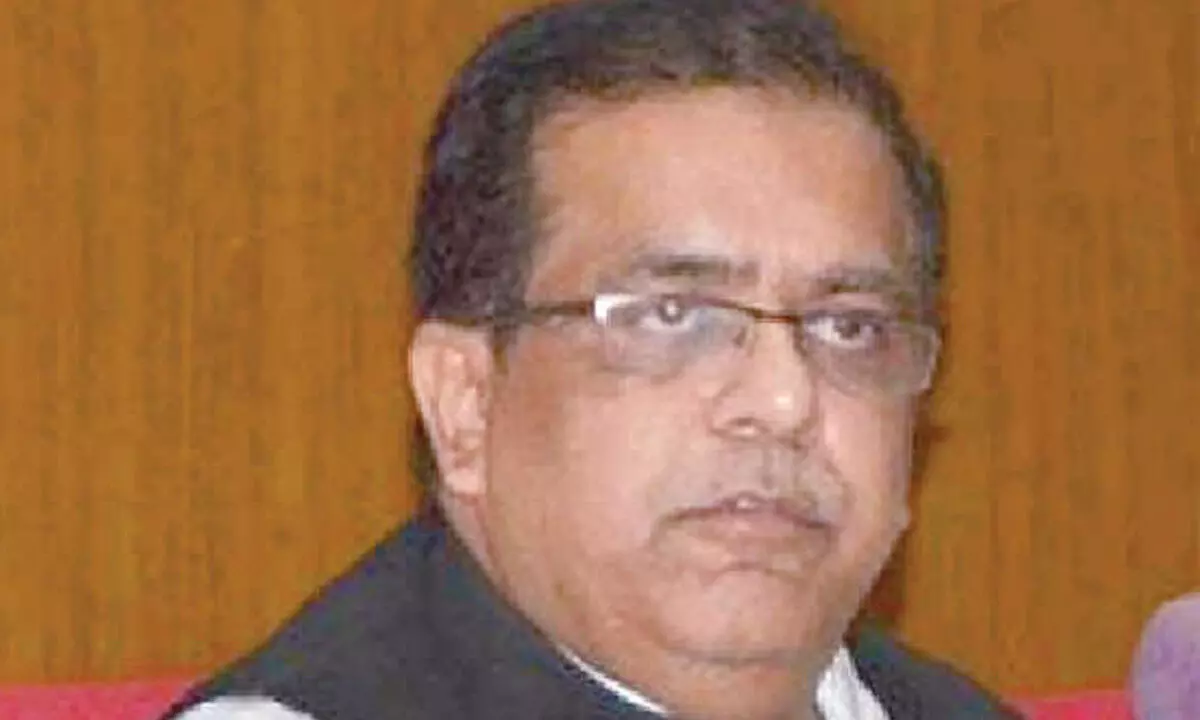
Socialactivist and former chairman of Andhra Pradesh Minorities Commission, Abid Rasool Khan, shares his views withThe Hans Indiaon Telangana’s Hate Speech Bill and his experience with how policing can be effective without new laws.
The Telangana government has introduced a bill to curb hate speech. It is alleged that like in Karnataka, this has been brought in to suppress misuse by Hindu activists for political ends. What is your take on that?
Any new law must be introduced with the right intent—to build a secular society where different religions coexist without vilification or harm. Democracy’s foundation is freedom for everyone to practice their faith without infringing on the rights or feelings of others. Unfortunately, governments today often pass toothless laws for short-term popularity, catering to different communities rather than genuine protection.
When I chaired the Minority Commission, we drafted a bill to protect minorities from religious discrimination and harassment. It was presented in the Legislative Assembly, which was ultimately ignored. That experience taught me that unless laws are backed by accountability and enforcement, they remain symbolic gestures.
What were the contours of that bill?
Our bill stated clearly that anyone causing harm in a communal incident, regardless of the community, must face consequences. If the Station House Officer fails to register a case, the individual must be prosecuted and their property attached.
The responsibility lies squarely with the police. I have seen instances where police remain inactive while hate speech occurs, indicating a lack of accountability. If police fail to act, they should face strict penalties. Real accountability would deter hate speech and strengthen secularism, unlike politically motivated laws that risk misuse.
We still use the colonial British English lexicon to express what the law means. So, the ‘intention’ becomes subjective, and filing of cases is at the discretion of enforcement officials. How do you look at it?
This is a serious problem. The other day, I saw a video online where a woman used terms like “cut mullahs” with no action taken. The issue is that laws are still framed in colonial British lexicon, which is disconnected from the languages people converse in. Depending on the context, the words spoken could be either a neutral term or an insult. If police officers are not trained to understand these nuances, enforcement becomes arbitrary. Hate speech laws must be explained in plain language that reflects the realities of society. Ultimately, if officers knew they would lose their jobs for failing to enforce the law, they would enforce it more diligently. Accountability is the missing link.
What is your view on the present law-making process?
The bill should have been discussed with community elders, advocates, professors, and journalists—not just religious leaders. Religious leaders interpret things only through the lens of their faith, which is limited. Intellectuals, however, understand the broader societal implications.
Moreover, the government should involve commissions like SC, ST, BC, Christian, and minority groups in drafting. Only then will the bill reflect genuine protection.
What is the way forward?
The way forward is threefold: 1) Accountability: Police must be held responsible for any hate speech in their jurisdiction. If they fail to act, they should face strict penalties; 2) Community awareness: Officers must undergo training to understand the communities they serve. This includes cultural, linguistic, and demographic nuances; 3) Inclusive drafting: Laws should be drafted with input from intellectuals, commissions, and community elders—not just religious leaders.
If these steps are taken, hate speech laws will serve their true purpose: protecting secularism and ensuring peaceful coexistence. Otherwise, they will remain political tools, misused by whichever party is in power.


