






India shouldn’t waste a good crisis like West Asian one

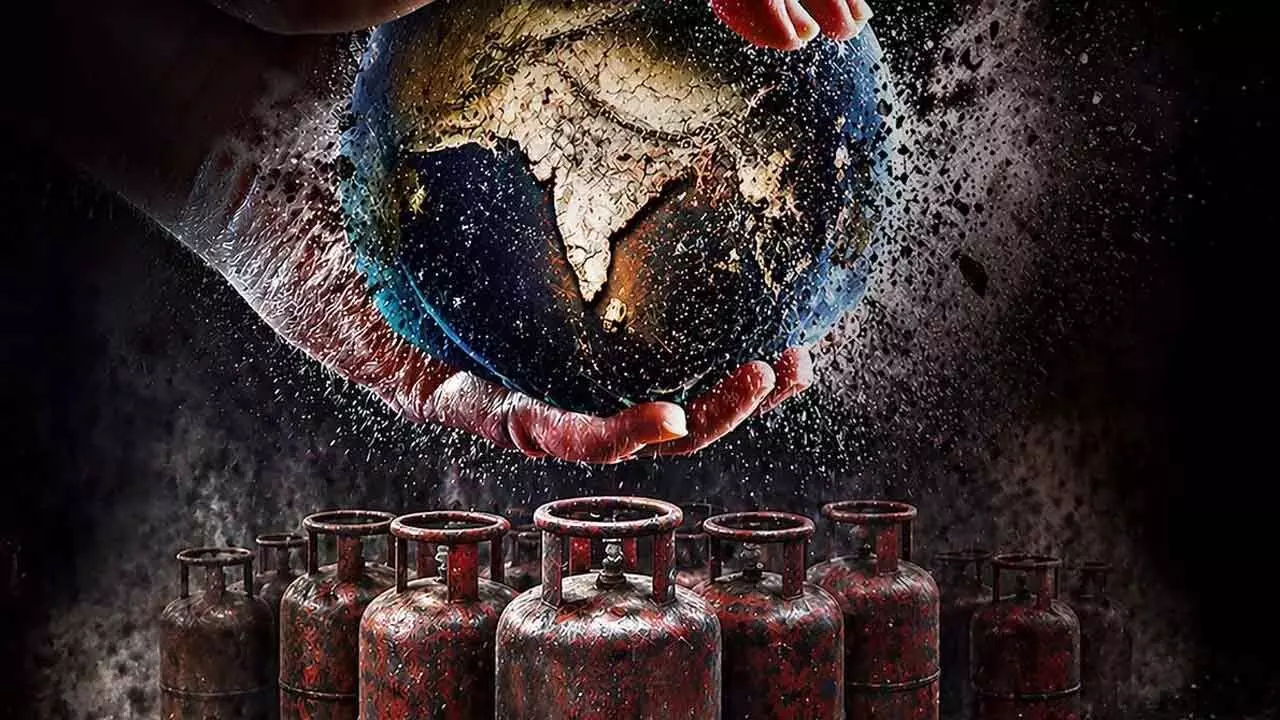
The West Asia conflict has exposed the vulnerabilities of supply chain ecosystem that exists in the oil & gas sector. India has been one of the worst hit because around 50 per cent of total crude oil imports pass through Strait of Hormuz. Similarly, about 60 per cent of India’s LNG and 90 per cent of LPG imports pass through this passage.
With Hormuz getting choked, India is facing multiprong challenges owing to this supply chain disruption. But as the saying goes ‘Never waste a good crisis’, the country can draw vital lessons from the current crisis and design more resilience energy systems. For instance, with more than 50 per cent of total energy generated in India coming from renewable energy sources, India now ranks third globally in terms of renewable energy installed capacity.
A total of 283.46 GW of capacity from non-fossil fuel sources has been installed in the country by the end of March, 2026. This includes 274.68 GW renewable energy out of which 150.26 GW comes from solar power, 56.09 GW from wind power, 11.75 GW bio-energy, 5.17 GW small hydro power, 51.41 GW from large hydro power and 8.78 GW from nuclear power capacity.
This data shows India’s energy basket has been fairly diversified in renewable space. However, India as a country has to increase its total renewable contribution to around 70 per cent for reducing critical dependency on imports. That will not only save the country from a huge import bill but also can make India’s clean energy pivot a reality. The country has already seen a spike in demand for EV (electric vehicles) on the back of oil crisis in the world.
For instance, Federation of Automobile Dealers Associations (FADA) data showed a 61 per cent year-on-year (YoY) increase in electric two-wheeler sales, totalling 1,48,740 registered units compared to 92,538 units in April 2025.Demand for four-wheelers has also increased. Tata Motors is witnessing rising demand, prompting the company for plans to increase output by 50 per cent to roughly 15,000 units per month.
As market leader, Tata Motors is targeting the 1-lakh annual EV volume mark.It shows how Indian customers are slowly adapting to green options as the global energy crisis unravel. Therefore, the government shouldn’t miss the opportunity of promoting EVs through renewed incentives and tax cuts. Similarly, most regions of India are blessed with enough sunlight throughout the year. It makes a strong case of promoting solar energy generation at household level.
Though PM Surya Ghar Yojana is already promoting solar energy generation at household level, the mission has to be expedited by respective state governments. Rural households should be given priority in the PM Surya Ghar Yojana as the rural belt usually suffers from irregular power supply and low voltage problems. It will also save state governments’ expenses as many of them are now providing 200 units of free electricity per household. During the COVID pandemic period, India realised the shortcomings of overdependence on Chinese supply chain. Since then, work has been done in several fronts to reduce such reliance on any single nation. Now, the country has emerged as one of the major mobile exporters apart from manufacturing other electronic goods.
Similarly, the country is slowly reducing its dependency on APIs (active pharmaceutical ingredients) for drug production. Import of Chinese toys has reduced a lot with several home-grown toy companies producing quality products now in India. These outcomes show India has the capacity to change the rule of the game at the time of crisis. Therefore, the post COVID model should be replicated in the energy sector for reducing India’s dependence on energy imports.
Omar meets PM Modi in Delhi, presses for early restoration of J&K statehood
Air India denies putting pressure on families of AI-171 Boeing crash victims
India Finland Relations, S Jaishankar, Digitalisation, Sustainability, Strategic Partnership
DK Shivakumar meets PM Modi in Delhi, seeks support for Karnataka's development priorities
Siddaramaiah accuses Zameer Khan of betrayal in Davanagere bypolls
Bengal: CID takes over probe against Abhishek Banerjee in poll violence case


