






Is ceramic cookware safe for cooking?

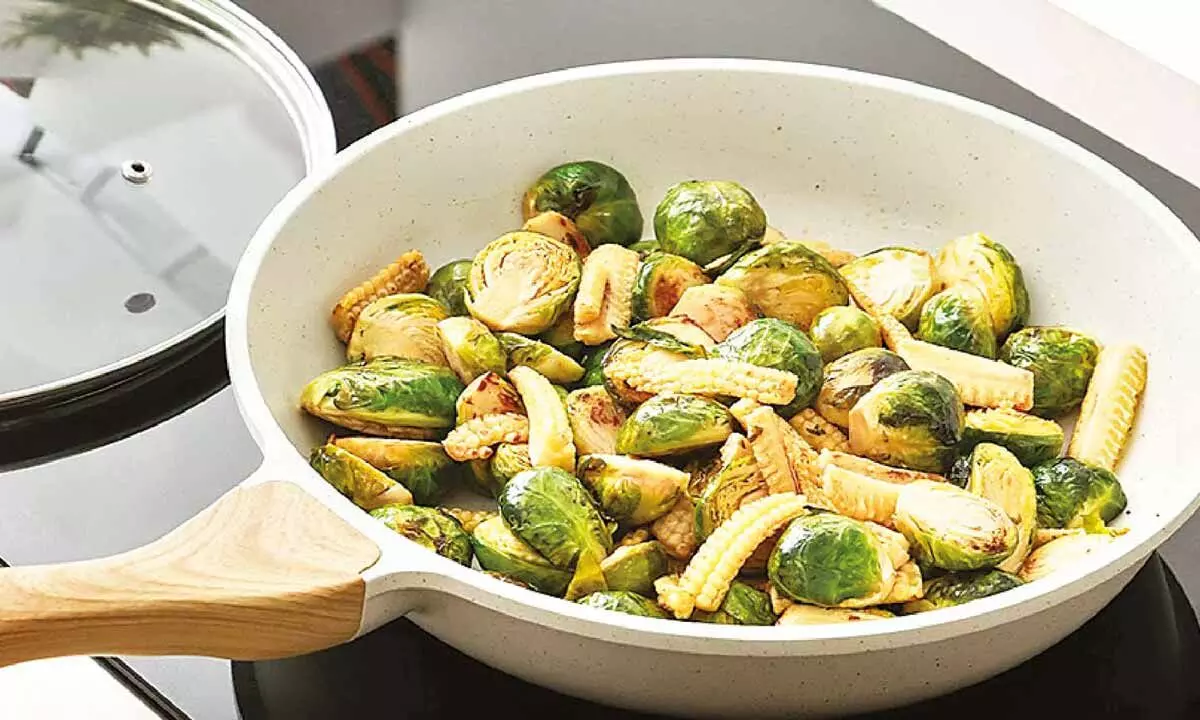
Ceramic cookware has become increasingly popular in modern kitchens due to its stylish appearance, nonstick properties, and reputation as a healthier alternative to traditional nonstick pans. As consumers become more conscious about food safety and chemical exposure, many are now asking an important question — is ceramic cookware truly safe for cooking?
The good news is that high-quality ceramic cookware is generally considered safe for everyday cooking when used and maintained properly. Unlike some traditional nonstick cookware, ceramic surfaces are typically free from harmful synthetic chemicals and can withstand high cooking temperatures.
Why ceramic cookware is popular
One of the biggest advantages of ceramic cookware is its naturally smooth, nonstick surface. This allows food to cook with less oil or butter, making it a preferred choice for health-conscious consumers. Ceramic cookware is also valued for its ability to distribute heat evenly and maintain cooking temperatures effectively. Another major benefit is that many ceramic products are free from PFAS, a group of man-made chemicals often associated with health concerns. This has increased the demand for ceramic cookware among households looking for safer cooking alternatives.
Choosing safe ceramic products
While ceramic cookware is generally safe, not all products are made equally. Experts recommend choosing cookware labeled “lead-free” and “food safe” to ensure it meets proper safety standards. Older ceramic cookware or imported products may sometimes contain harmful substances such as lead or cadmium in the glaze. These materials can become a concern if they leach into food over time. Checking labels carefully before purchasing cookware is considered essential. Consumers are also advised to avoid ceramic dishes marked “for decorative use only,” as they are not designed for preparing or serving food.
Understanding different types
There are mainly two types of ceramic cookware available in the market — solid ceramic and ceramic-coated cookware. Solid ceramic cookware is made entirely from clay and fired at extremely high temp eratures. It is known for its durability and long lifespan when handled carefully. Ceramic-coated cookware, on the other hand, usually features a metal base such as aluminum with a thin ceramic coating applied on top. While this type is lighter and more affordable, the coating can wear down over time, especially with frequent use. Experts suggest regularly inspecting ceramic-coated cookware for signs of damage and replacing it when necessary.
Damaged ceramic can become unsafe
One of the key concerns with ceramic cookware is damage caused by cracks, chips, or scratches. Once the surface becomes damaged, tiny crevices can trap food particles and moisture, creating an environment where bacteria may grow. Damaged surfaces can also weaken the protective barrier of the cookware, increasing the possibility of metals or chemicals entering food. For this reason, chipped or cracked ceramic cookware should be replaced immediately.
Tips to maintain ceramic cookware
To extend the life and safety of ceramic cookware, experts recommend avoiding extremely high heat and using wooden or silicone utensils instead of metal tools that may scratch the surface. Handwashing is also preferred over harsh dishwasher cycles, as gentle cleaning helps preserve the ceramic coating for a longer period.
Ceramic cookware remains one of the safer options for cooking when compared to some synthetic nonstick alternatives. However, safety largely depends on choosing quality products, using them correctly, and replacing damaged cookware when necessary. With proper care and attention, ceramic cookware can be a healthy, durable, and reliable addition to any kitchen.
Sunetra Pawar warns leaders against ‘unnecessary interference’, hints at tough decisions
NCW summons comedians More, Jangra over Rs 370 biryani row
CM Fadnavis outlines ‘Viksit Maharashtra 2047', sets target for $5 trillion economy
Pakistan trying to reshape authority through 28th Constitutional Amendment: Report
Mir, Shah knocks help Afghanistan A get four-run win over India A via DLS method
Pro-Khalistan groups continue to provoke youth, advance own political agendas: Report


