






- 'Is democracy in India being undermined like China, Russia and North Korea': Gehlot on FIR against Rahul, Priyanka Gandhi
- Delhi Seemapuri Building Collapse: Several Feared Trapped As Rescue Operation Underway
- Claude Users Can Work Across Google Docs, Sheets and Slides In-App
- Rapido Ride Turns Into Nightmare After Captain Flees With Injured Passenger
- 7 Must-Watch OTT Releases For Your Dussehra Holidays
- ‘His Lips Turned Blue’: Dentist Recalls 45-Minute Effort To Save Flydubai Pilot Smit Machchhar
- Airtel Postpaid Plans Bring Free International Roaming From Rs 499
- 'Politics means nation building to him': Rajnath Singh on PM Modi's 25 years in public service
Why Indian parents are moving from “cute” to “conscious” when buying babywear
In Short
Indian parents are changing the way they shop for babywear, moving beyond adorable designs to focus on comfort, safety, quality and practicality. The new-age approach is less about buying more and more about choosing thoughtfully made clothing that delivers value, durability and peace of mind

Share :
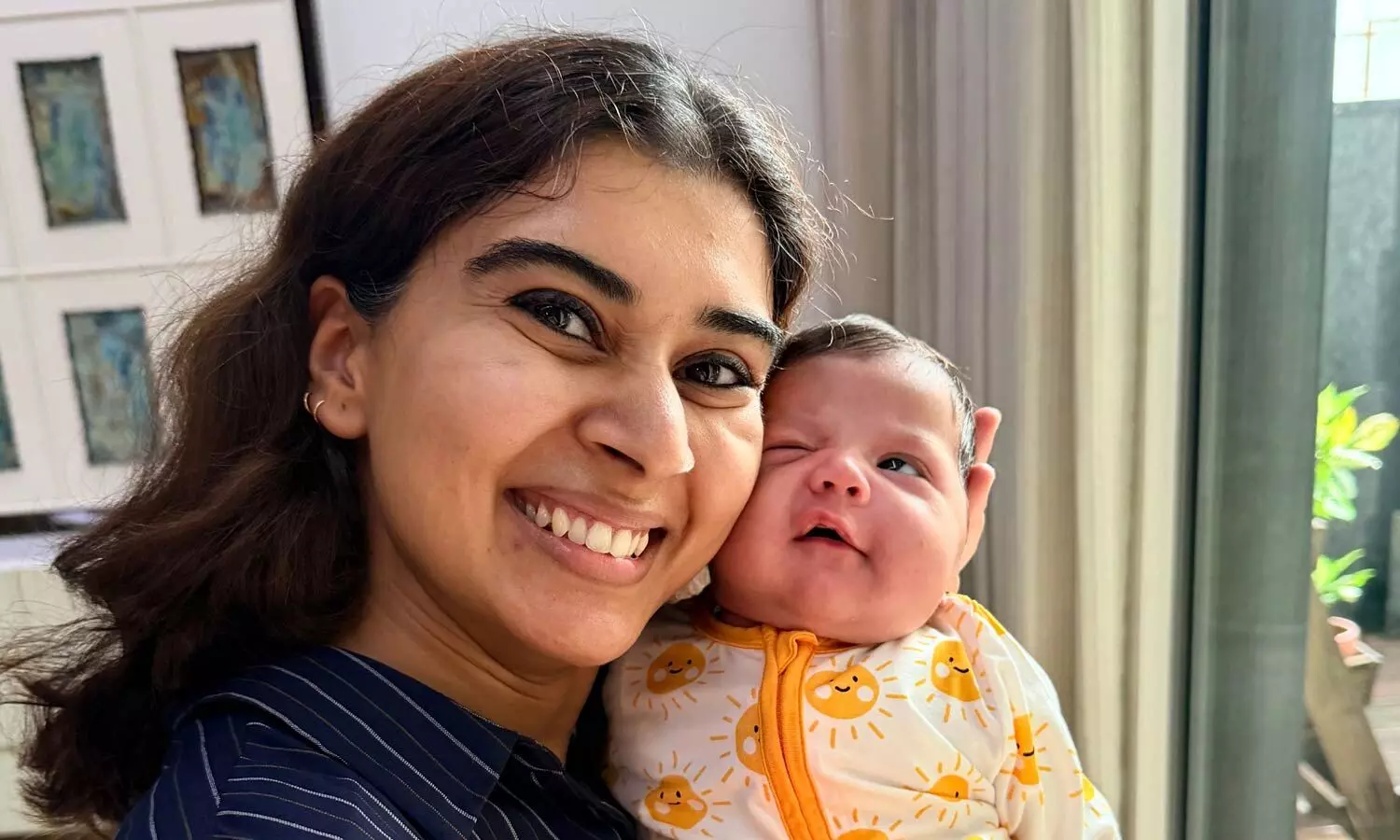
Why Indian parents are moving from “cute” to “conscious” when buying babywear
For years, babywear shopping in India was driven by one simple question: “How cute will my baby look in this?” Today, an increasing number of parents are asking a different set of questions: What is the fabric? Is it safe for delicate skin? Will it survive repeated washing? Is the design actually practical for a 3 a.m. nappy change?
The result is a move from “cute” to “conscious” babywear.
From Print-First to Fabric-First
The biggest change is perhaps the simplest: parents are looking beyond the print. A newborn can spend much of the day in clothing, meaning the fabric is in prolonged contact with skin that is thinner and has a developing barrier function compared with adult skin. That makes softness, breathability and the materials used in a garment more relevant to parents than they may have been earlier. Instead of choosing a romper because it has an adorable animal print, how it has been dyed and whether the fabric has been tested for potentially harmful substances. This does not mean prints have disappeared. Rather, the hierarchy of priorities is changing. The print gets attention, but the fabric gets the purchase. For brands, this also creates an important distinction between making a visual claim and providing meaningful information. Parents are becoming more interested in what a garment actually contains and how it has been made, rather than simply responding to words such as “natural” or “gentle.”
From Cost-Per-Piece to Cost-Per-Wear
Babies grow quickly, and that has traditionally encouraged parents to buy inexpensive clothing in larger quantities. But a new form of value-consciousness is emerging. The question is increasingly shifting from “How cheap is this?” to “How long will this actually last?” A baby garment that maintains its shape and softness through dozens of washes may offer greater value than several cheaper pieces that lose their finish after only a handful of washes. Parents are also beginning to think about whether clothing can be handed down to a younger sibling, cousin or another family. This is where premium babywear can make a more convincing case. A higher price becomes easier to justify when it represents better construction, longer usability and lower replacement frequency. The changing calculation is therefore not simply price versus quality. It is cost per wear. For a category where frequent washing is unavoidable, durability has become part of conscious consumption. Parents are not necessarily looking to buy more; many are looking to buy better.
“The shift is also visible outside the shopping habits of parents themselves. Traditional occasions such as godh bharai, baby showers and the arrival of a newborn have always involved gifting. But premium babywear gifting is increasingly moving beyond novelty prints and large bundles of interchangeable clothes. A thoughtfully assembled gift of soft, certified and functional babywear can communicate something different: “I have thought about what the baby and the parents will actually need.” This is particularly significant because gifting is not merely a transaction. It is a social signal. The product someone chooses for a newborn communicates care, taste and increasingly, awareness. A functional sleepwear set, thoughtfully designed essentials or a bundle built around certified fabrics can therefore feel more relevant than a collection chosen purely for its visual appeal.” says Nilofer Rao, Founder and CEO, Bubz, bamboo babywear brand
The New Babywear Parent
Indian parents still want their babies to look adorable. They simply want adorable and sensible to coexist. They are increasingly balancing five considerations: what touches the baby’s skin, how long the garment lasts, how easily it can be used, whether the claims can be verified, and whether the product genuinely deserves its price.
That is a significant evolution for the category. Babywear is moving from being a product parents buy because babies outgrow clothes quickly to one they evaluate as carefully as other products used every day. And as that mindset develops, the brands most likely to stand out will not necessarily be those with the loudest prints or the biggest sustainability claims.
India condemns attacks on commercial vessels in Black Sea, reiterates call for dialogue and diplomacy
'Is democracy in India being undermined like China, Russia and North Korea': Gehlot on FIR against Rahul, Priyanka Gandhi
SSB pays tribute to bravehearts killed in Maoist attack 15 years ago
SSB pays tribute to bravehearts killed in Maoist attack 15 years ago
Pixel Moments to Politics For Cong As BJP Celebrates Modi@25
Dramatic face-off near Jantar Mantar. Rahul and Priyanka sit on the road
MPs vs Police. Chaos and High Drama Unfold on Delhi Roads
Henri Kagan, Kenso Soai Win 2026 Nobel Chemistry Prize for Autocatalysis
AP cabinet approves 12 agenda items
High Courts should not suggest custodial interrogation of accused, says Supreme Court


