






Living traditions: Contemporary art forms of Telangana

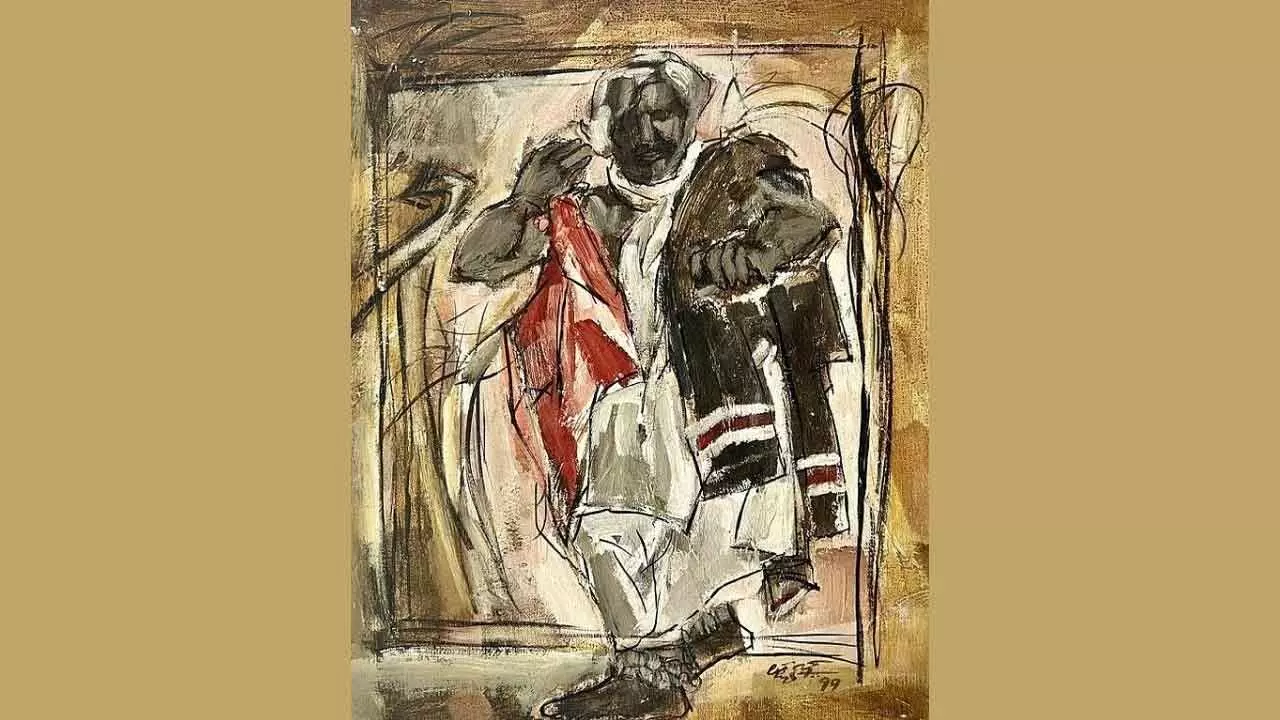
Telangana’s cultural heritage is shaped by centuries of artistic expression emerging from both royal patronage and the everyday life of its people. While certain classical art forms flourished, thanks to support from dynasties like the Kakatiyas, it is the living traditions of community-based folk arts that continue to define the region’s cultural identity today.
Historically, the Kakatiya period saw the emergence of powerful dance traditions such as Perini Sivatandavam, often described as the “dance of warriors.” Performed before soldiers went into battle, the dance symbolises courage, devotion, and the spiritual energy of Lord Shiva.
At the same time, the common people of Telangana developed their own expressive traditions rooted in daily life. Art forms like Golla Suddulu, Oggu Katha, Burra Katha, and Gotralu combined storytelling, music, and performance to narrate mythological tales as well as social realities. These forms served not only as entertainment but also as a means of education, social reflection, and community bonding. Over time, these traditional forms evolved, interacting with contemporary issues and political movements. As a result, Telangana today possesses a vibrant set of cultural expressions that continue to speak to the people’s aspirations and struggles.
Gaddar: The voice of people’s culture:
One of the most powerful cultural icons of modern Telangana was Gaddar, born Gummadi Vittal Rao. Through his songs and performances, Gaddar transformed traditional folk art into a dynamic medium of social and political expression.
Associated with the cultural organisation Jana Natya Mandali, he used folk performance traditions such as Burrakatha, Oggu Katha, and Jamukula Katha to narrate stories of marginalised communities, agricultural labourers, and social struggles. His performances combined aata (dance), paata (song), and maata (commentary), creating an electrifying connection with audiences. Rejecting purely mythological narratives, he reworked folk traditions to address issues of landlessness, poverty, caste oppression, and resistance. His songs became anthems of protest and played a major role in shaping cultural consciousness during both revolutionary movements and the Telangana statehood struggle.
Daruvu: Celebrating people’s
cultural expression:
Another important contemporary cultural platform in Telangana is Daruvu Jathara. The festival celebrates the vibrant tradition of people’s songs, performances, and grassroots cultural activism. Daruvu Jathara provides a stage for folk artists, singers and performers, who represent the cultural spirit of Telangana. Artists such as Vimalakka and other cultural performers have used such platforms to keep alive the traditions of people’s music and socially conscious performance.
Events like Daruvu Jathara also serve as reminders of how deeply cultural expression is connected to the political and social movements of Telangana.
Rela Rela Re:
Folk music continues to be one of the most vibrant expressions of Telangana culture, and songs like “Rela Rela Re” symbolize this living tradition. These energetic folk songs, rooted in rural and tribal musical traditions, celebrate nature, community life, and collective joy.
The rhythmic style of Rela songs has gained popularity not only in village festivals but also through modern media, cinema, and digital platforms. Contemporary singers such as Mangli and Madhupriya have brought these folk rhythms to a wider audience, connecting younger generations with Telangana’s cultural roots. Through their vibrant beats and simple yet powerful lyrics, Rela songs capture the spirit of Telangana’s rural life and collective celebration.
Dhoom dham: Art as cultural assertion:
Perhaps the most striking modern cultural expression of Telangana is Telangana Dhoom dham. Emerging during the second phase of the Telangana statehood movement in the early 2000s, it transformed traditional folk performance into a powerful instrument of cultural and political mobilization. Led by cultural activists such as Rasamayi Balakishan, Dhoom dham performances combined songs, dance, skits, and satire to highlight regional discrimination, exploitation, and the aspirations of the people of Telangana.
These performances energized public gatherings across villages and towns, strengthening emotional unity and cultural identity during the struggle for a separate Telangana state. Even today, Dhoom dham remains a symbol of people’s cultural assertion and artistic resistance.
A living cultural legacy:
The art forms of Telangana continue to evolve while remaining deeply rooted in the region’s social history. From the ancient traditions of Oggu Katha and Chindu Bhagavatam to modern cultural expressions like Dhoom dham, Rela songs, and the performances inspired by Gaddar, these traditions represent the voices of the people.
They carry stories of devotion, struggle, celebration, and identity reminding us that culture is not static but constantly shaped by the experiences and aspirations of society. Preserving and nurturing these living
traditions is essential not only for safeguarding Telangana’s heritage but also for strengthening its cultural future.
(The writer is President of Praja Science Vedika)
Sunetra Pawar warns leaders against ‘unnecessary interference’, hints at tough decisions
NCW summons comedians More, Jangra over Rs 370 biryani row
CM Fadnavis outlines ‘Viksit Maharashtra 2047', sets target for $5 trillion economy
Pakistan trying to reshape authority through 28th Constitutional Amendment: Report
Mir, Shah knocks help Afghanistan A get four-run win over India A via DLS method
Pro-Khalistan groups continue to provoke youth, advance own political agendas: Report


