






AI may transform operations, but hospitality will always need human connection: IHM Principal

The hospitality industry is undergoing a major transformation as technology, Artificial Intelligence, automation, and changing customer expectations reshape how businesses operate. From hotels and airlines to healthcare, retail, tourism, and facility management, hospitality graduates today are finding opportunities across a wide range of industries.
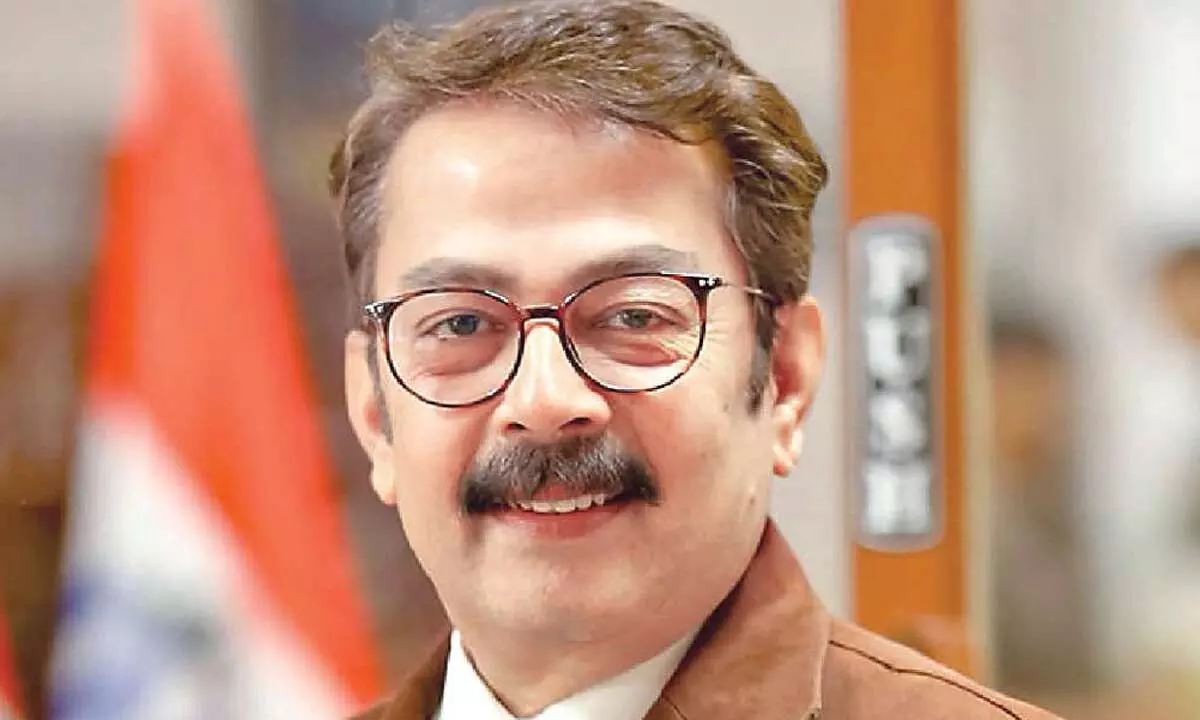
Sanjay Thakur, Principal of the Institute of Hotel Management (IHM), Hyderabad, a Central Government hospitality institute, has over three decades of experience in travel, tourism, hospitality education, entrepreneurship, and creative arts. Over the past 14 years, he has focused on student development, industry exposure, discipline, and future-ready learning.
In an interview withThe Hans India, Sanjay Thakur speaks about leadership, changing student aspirations, the impact of Artificial Intelligence, future hospitality trends, and why human connection will continue to remain the foundation of the hospitality industry.
Q: What leadership values do you believe are most important while guiding students in today’s competitive environment?
Leadership in education cannot be restricted to office hours. Students constantly observe the behaviour, discipline, and integrity of teachers and mentors. At IHM Hyderabad, leadership is built around leading by example, accountability, inclusiveness, and professionalism.
I believe students today need guidance not only in academics but also in developing confidence, responsibility, and long-term vision. A leader should help students recognise opportunities and prepare them for future challenges.
In hospitality education, service leadership is equally important. Students must understand that leadership begins with humility, discipline, and the willingness to serve others with professionalism and excellence.
Q: Having worked closely with students over the years, what changes have you observed in the younger generation?
Today’s students are highly exposed to technology and information, which makes them more digitally aware and adaptable. Their comfort with digital platforms and technology will certainly help them in workplaces increasingly shaped by automation and AI.
At the same time, students today are also exposed to constant distractions through social media and digital content. Many are focused on quick outcomes rather than long-term growth and consistency. Physical activities and outdoor engagement have reduced because of changing lifestyles and increased screen dependence.
However, the younger generation also has many positive qualities. Students today are creative, ambitious, technologically skilled, and willing to explore new opportunities. Educational institutions have an important role in helping them develop discipline, focus, and emotional balance alongside technical knowledge.
Q: How are changing travel habits and digital platforms influencing hospitality education today?
Travel habits have changed significantly in recent years. Guests today are more informed and experience-oriented than before. They are not just looking for accommodation or food; they seek personalised experiences, local culture, sustainability, wellness, and memorable interactions.
This shift has directly influenced hospitality education. Students now need to understand customer psychology, digital communication, sustainability practices, and personalised service expectations. Social media and online reviews have also increased guest awareness and expectations.
Hospitality professionals today must combine traditional service values with modern technology-driven guest experiences. The ability to understand changing consumer behaviour has become extremely important.
Q: Artificial Intelligence is transforming every sector. How do you see AI influencing hospitality education and hotel operations?
Artificial Intelligence is already playing a major role in hospitality operations. Hotels today use AI-driven systems for reservations, guest profiling, customer engagement, energy management, and operational efficiency.
Technology helps hotels understand guest preferences, automate routine processes, reduce operational costs, and improve overall customer experiences. Smart systems also assist in managing electricity, water consumption, and manpower more efficiently.
However, hospitality will always remain a people-centric industry. Technology can improve convenience and efficiency, but human warmth, empathy, care, and personalised interaction cannot be replaced by machines.
“AI may transform operations, but hospitality will always need human connection.” Guests may appreciate technology, but they still remember kindness, attentiveness, and emotional connection.
Q: Many students are concerned about career stability and placements. What trends are you seeing in hospitality employment today?
Hospitality continues to be one of the largest employment-generating sectors. Career opportunities today extend far beyond hotels into airlines, airports, cruise lines, healthcare hospitality, tourism operations, retail, facility management, and entrepreneurship.
The industry values communication skills, discipline, adaptability, professionalism, and practical learning. Multi-skilling is becoming increasingly important because industries are evolving rapidly.
Students who remain committed during their training and continuously upgrade their skills generally find strong career opportunities. Hospitality also offers global exposure and opportunities to work across multiple sectors.
Q: What challenges do hospitality students commonly face today?
One of the biggest challenges is understanding the professional expectations of the hospitality industry. Hospitality is a demanding profession that requires punctuality, teamwork, flexibility, communication skills, and physical stamina.
Communication skills, especially spoken English and professional interaction, continue to be areas where many students need improvement. Consistency and discipline are equally important because hospitality education involves extensive practical learning.
Institutions can support students through mentoring, industry exposure, personality development programmes, and continuous guidance. Strong coordination between students, teachers, and parents also plays an important role in student growth.
Q: What emerging trends should students be aware of while planning hospitality careers?
Automation, robotics, sustainability, wellness tourism, and personalised guest experiences are some of the major emerging trends in hospitality and tourism.
Travellers today increasingly look for authentic local cuisine, cultural experiences, eco-friendly practices, and wellness-focused travel. Smart kitchens, robotic assistance, digital guest engagement systems, and technology-driven operations are also becoming more common across the industry. Students who combine hospitality skills with technological awareness, creativity, adaptability, and customer understanding will have an advantage in the future workforce.
Q: What advice would you give students considering hotel management as a career?
Students should first understand the hospitality industry properly rather than relying on stereotypes. Hospitality today is a highly professional and global industry that offers opportunities across several sectors.
Good communication skills, discipline, punctuality, adaptability, and continuous learning are essential for success. Physical fitness and professionalism are equally important because hospitality often involves long hours and people-facing responsibilities.
Success in hospitality does not happen overnight. Students who remain patient, consistent, and willing to learn generally build strong and rewarding careers over time.
Q: What is your vision for IHM Hyderabad?
The vision is to strengthen IHM Hyderabad as a future-ready institution through modern infrastructure, upgraded laboratories, smart classrooms, stronger industry partnerships, and international collaborations.
The institute is also focusing on entrepreneurship, innovation, and global exposure for students. Hospitality education is evolving rapidly, and institutions must continuously modernise to meet changing industry expectations.
Our goal is not only to prepare students for jobs but also to develop future leaders, entrepreneurs, and globally competitive professionals who can contribute meaningfully to the hospitality industry and society.


