






“Punjabi Food Is About Warmth and Togetherness”: Chef Dilip Singh on Preserving Traditional Flavours

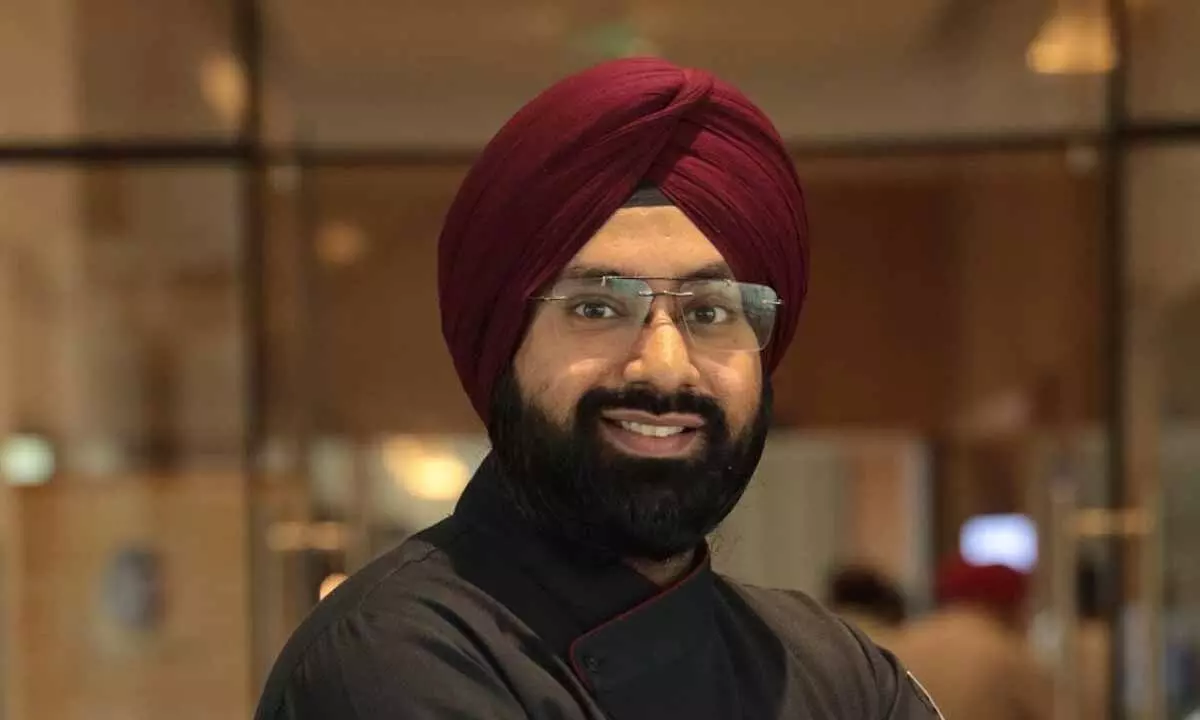
Punjabi cuisine is often associated with rich flavours, hearty meals, and generous hospitality. But according to Chef Dilip Singh, Chef de Cuisine at Novotel New Delhi City Centre, its essence goes much deeper than food itself. In this interview, he reflects on the emotional connection people have with Punjabi dishes, the importance of preserving traditional recipes, and how regional cuisine continues to remain relevant in modern dining culture.
Q: What does Punjabi cuisine represent to you beyond its rich flavours and generous portions?
Punjabi cuisine, to me, feels like home on a plate. It reminds me of family kitchens, long conversations around the dining table, and the habit of always serving more than necessary. Beyond its flavours, it represents warmth, generosity, and togetherness.
What makes Punjabi food special is that it is never only about eating. It is about making people feel welcome and cared for. Whether it is a simple dal, a stuffed paratha, or a festive meal, every dish carries emotions and memories. Food becomes a way of expressing affection and hospitality.
Q: How did you approach balancing authenticity with the expectations of diners in a metropolitan city like Delhi?
Authenticity was central to every decision. The idea was to recreate the flavours of a traditional Punjabi household and bring back recipes that are becoming increasingly rare. Dishes such as Kale Chane Ka Shorba were included because they remind many people of childhood meals that are not commonly available in restaurants today.
Ingredients were carefully sourced, spices were prepared in-house, and traditional cooking methods were followed to preserve the original taste and texture of the dishes. At the same time, Delhi diners have a wide variety of dining options, so the focus was on offering something meaningful and memorable rather than only familiar dishes.
The intention was to preserve the soul of Punjabi cuisine while presenting it in a refined and immersive way that evokes nostalgia and emotional connection.
Q: Which dish best captures the emotional warmth associated with Punjab?
Sarson Ka Saag and Makki Ki Roti perhaps capture the spirit of Punjab most strongly. For many people, the dish is connected with winter afternoons, family gatherings, and meals prepared with patience and care. It carries a deep sense of comfort and belonging.
At the same time, many other dishes also reflect the warmth of Punjabi home cooking. Preparations such as Rajma Chawal, Amchur Wali Kadhi, Hing Wali Arbi, Tariwala Meat, Methi Murg, and Machhi De Pakode each represent recipes that have been passed through generations.
These are not necessarily complicated dishes, but they carry stories, memories, and emotions that bring families together around the same table.
Q: How important is atmosphere in creating a regional dining experience?
Atmosphere is extremely important because regional cuisine is deeply connected to culture and memory. Guests should be able to feel the identity of a place the moment they enter the dining space.
The effort was to recreate the warmth and vibrancy of a traditional Punjabi village through elements such as wooden khaats, truck-art-inspired décor, rustic accents, and earthenware crockery including clay glasses and bowls. These details help create a stronger emotional connection between the guest and the cuisine.
When the environment reflects the culture behind the food, dining becomes more immersive and meaningful.
Q: How can traditional Punjabi cuisine remain relevant in changing dining cultures?
Traditional Punjabi cuisine remains relevant because the emotions behind it are timeless. Punjabi food represents comfort, generosity, and shared experiences, and those values continue to resonate across generations.
Today’s diners are not only looking for authentic flavours but also for meaningful stories and cultural experiences. That is why preserving original recipes while presenting them thoughtfully is important.
Traditional cuisine does not become outdated when its authenticity is respected. Instead, it continues to evolve while retaining its roots. When people connect emotionally with food and the memories attached to it, the cuisine remains timeless rather than old-fashioned.


