







- Vijaya BPEd College wins women’s ball badminton title
- SVU to conduct training in ChatGPT, Claude, Gemini and Perplexity
- Nellore ready for phase-2 of panchayat polls
- ERO seeks parties cooperation for electoral roll revision
- SC judges visit historic courts in Rajamahendravaram
- Ongole: Six held for stealing gold from trader
- TDP factional feud erupts into violence in Kosigi; one grievously injured
- Tirupati gears up for 61st All-India DGPs–IGPs conference at IISER from Dec 4
Last-Minute Damage Control: Embarrassed Congress Runs to Allies
In Short
Congress is reportedly reaching out to INDIA bloc allies, including the DMK and Sharad Pawar-led NCP, to seek opposition to the proposed Women’s Reservation and Delimitation Bills ahead of the Parliament session. However, both parties have expressed support for the legislation, highlighting divisions within the Opposition alliance over women's representation and parliamentary seat redistribution.

Share :
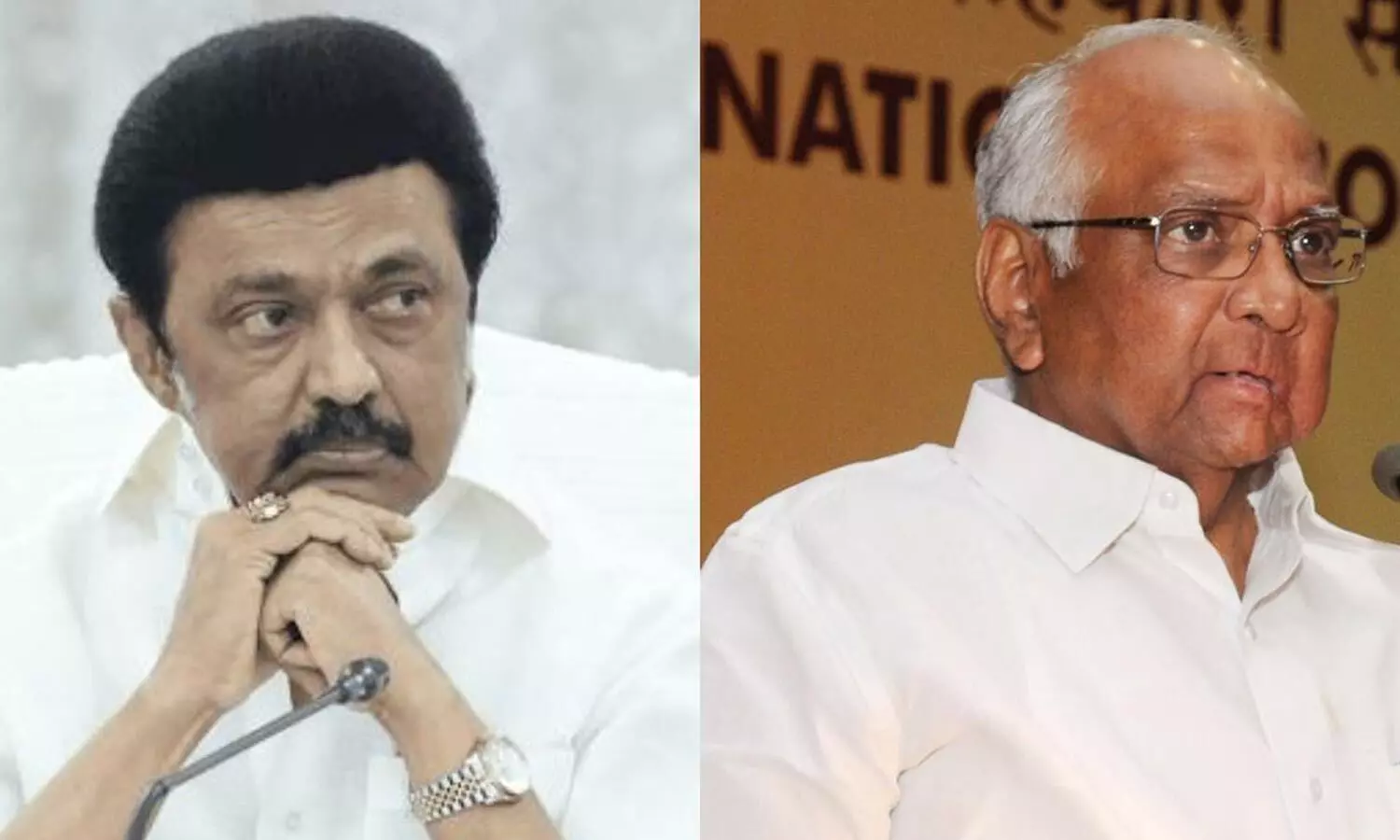
Last-Minute Damage Control: Embarrassed Congress Runs to Allies
Taken aback by the divisions within the INDIA bloc over the proposed Women’s Reservation and Delimitation Bills, which are scheduled to come up before Parliament on Monday, the Congress party has decided to reach out to parties that have announced their support for the legislation. These include the DMK and the Sharad Pawar-led NCP.
It is learnt that, following a detailed review at the INDIA bloc meeting on Saturday, the leaders felt that the fractured Opposition alliance might no longer be in a position to oppose and defeat the Bills, as it had done in April. The meeting, therefore, decided on a strategy of reaching out to parties that have changed their stand over the past seven months.
AICC president Mallikarjun Kharge, Leader of the Opposition in the Lok Sabha Rahul Gandhi and perhaps even Sonia Gandhi are likely to visit Chennai today to meet Tamil Nadu Chief Minister M K Stalin and urge him to oppose the Bills. They are also expected to reach out to the Sharad Pawar-led NCP. However, it is not yet clear whether they will hold discussions with Supriya Sule or Sharad Pawar. It may be recalled that Pawar has been keeping unwell and was recently admitted to hospital.
However, sources indicate that the DMK and the NCP, which have openly declared their support for the Bills, are unlikely to reconsider their positions. The BJP reportedly held several rounds of discussions with these parties before finalising the legislation and incorporated their suggestions into the draft Bills.
The proposed legislation, particularly the delimitation provisions, is expected to benefit the southern states. The Congress, however, refuses to acknowledge this and appears determined to stall the passage of the Bills. The BJP's attitude towards the Congress's position was summed up by party spokesperson Sudhanshu Trivedi and others as a case of "Highway or my way". They believe the Congress is heading for a shock this time.
If delimitation is postponed until the completion of the ongoing Census, the southern states could lose out on an opportunity to secure an increase in their representation in Parliament and State Assemblies. They could also see their relative share of seats decline. The Congress, however, insists that delimitation should be deferred until the current Census is completed.
If this demand is accepted, the implementation of women's reservation would also have to be postponed, the BJP argues. It describes the Congress position as illogical, questioning why women's representation should be held hostage to the completion of the Census and the subsequent delimitation exercise.
AP Panchayat elections live updates: Second phase of Andhra panchayat polls begins
Last-Minute Damage Control: Embarrassed Congress Runs to Allies
Rajnath Singh asks NDA cadets to embrace technology and innovation for future warfare
CM Chandrababu and Nara Lokesh condoles deaths in Prakasam accident
Polling begins in all 1,356 booths in NTR district
PM Modi to attend closing ceremony of Bhupen Hazarika birth centenary celebrations today


