






Anthropic CEO Warns AI Job Risks Are Still Real

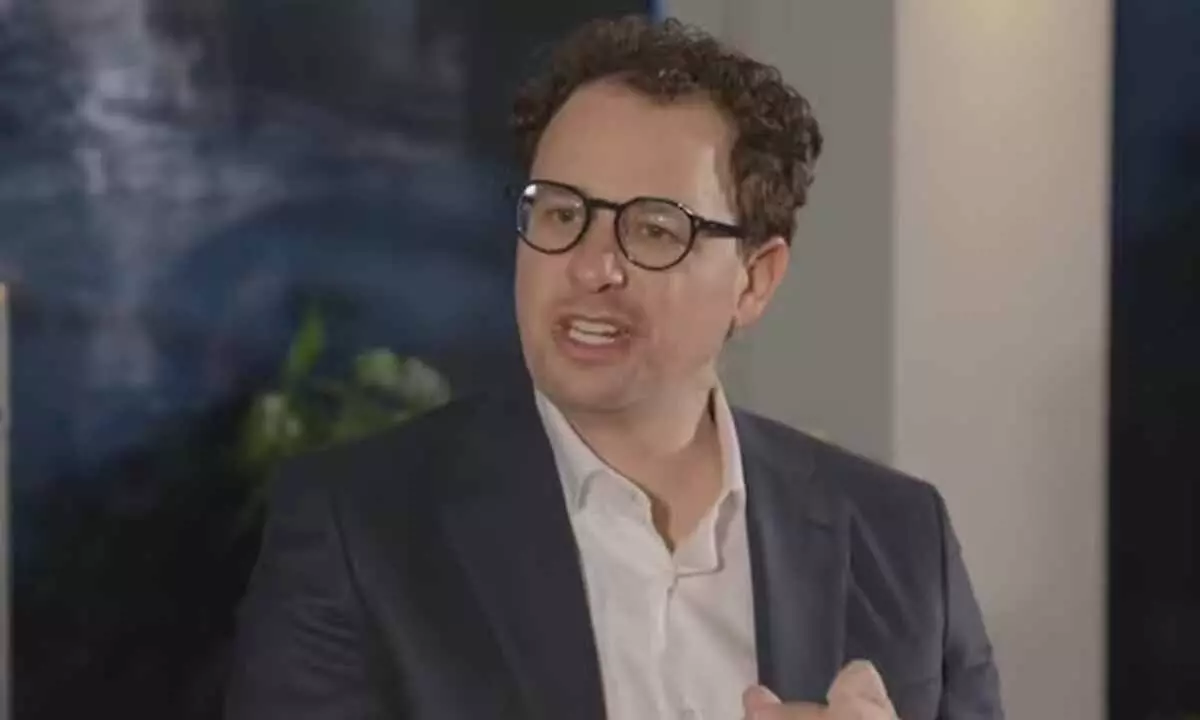
Anthropic CEO Dario Amodei says AI may eventually automate entire professions despite current productivity gains benefiting workers today.
Artificial intelligence may currently be helping employees work faster and smarter, but Anthropic CEO Dario Amodei believes the bigger disruption to jobs could still lie ahead.
Speaking in an interview with Bloomberg, Amodei said his concerns about AI-driven unemployment have not changed significantly, even as businesses increasingly use AI tools to improve productivity. According to him, the current phase of AI adoption may only represent the beginning of a much larger transformation in the workforce.
"I'm still the same order of concerns," Amodei said. "We are seeing right now that AI is making people more productive, but that's the usual hump."
Amodei explained that productivity gains can sometimes create the impression that jobs are safe, even while automation steadily expands into more areas of work. He argued that when AI handles most responsibilities within a role, employees may appear more efficient simply because they are concentrating on the small portion of tasks still performed by humans.
However, he warned that this phase may not last forever.
According to Amodei, if artificial intelligence progresses from automating 90 percent of a role to handling nearly all of it, workers may eventually be forced to shift toward entirely new types of employment.
The Anthropic chief has repeatedly raised concerns about how quickly AI systems are advancing, particularly in software engineering and coding-related professions. He believes some technical roles could change dramatically sooner than many people expect.
His comments continue to spark debate across Silicon Valley and Washington, where executives, policymakers, and researchers remain divided on how AI will reshape employment. While some experts acknowledge that automation will alter industries, others argue that history shows technology usually changes jobs rather than eliminating them completely.
Among Amodei’s critics is Nvidia CEO Jensen Huang, who has previously suggested that AI automates tasks, not entire professions. Supporters of this view believe workers will adapt alongside technology, using AI tools to improve efficiency while new career opportunities emerge over time.
Amodei also addressed criticism that Anthropic’s warnings about AI risks are exaggerated to attract attention or market its products. In the Bloomberg interview, he rejected the claim and said the public conversation around AI often loses nuance when reduced to short social media clips.
"The idea that this is cheap marketing is itself cheap marketing," he said.
He noted that his discussions around AI risks are usually paired with proposals for managing future disruptions. These include conversations around tax policy, economic planning, and the development of entirely new categories of jobs that may emerge as automation expands.
Amodei stressed that his intention is not to spread fear about artificial intelligence, but to encourage governments and industries to prepare early for long-term changes. He also pointed readers toward his longer essays and interviews, where he discusses the distinction between automating individual tasks and replacing entire occupations.
The debate over AI’s impact on employment continues to intensify as companies rapidly integrate generative AI into software development, customer support, research, and business operations. While many workers are currently experiencing AI as a productivity tool, leaders like Amodei believe society should not ignore the possibility of deeper economic disruption in the years ahead.
Bihar: EOU raids Hajipur Municipal Council Accountant’s premises, Rs 2 crore cash recovered
PM Modi delivering corruption-free governance: K’taka BJP
Delhi L-G orders repair of rainwater harvesting systems ahead of monsoon
World Bank lifts India growth outlook despite Gulf war
WHO releases updated heat-health action plans guidance
SC to hear Meenakshi Natarajan's plea against Rajya Sabha nomination rejection tomorrow


