






- Claude Users Can Work Across Google Docs, Sheets and Slides In-App
- Rapido Ride Turns Into Nightmare After Captain Flees With Injured Passenger
- 7 Must-Watch OTT Releases For Your Dussehra Holidays
- ‘His Lips Turned Blue’: Dentist Recalls 45-Minute Effort To Save Flydubai Pilot Smit Machchhar
- Airtel Postpaid Plans Bring Free International Roaming From Rs 499
- 'Politics means nation building to him': Rajnath Singh on PM Modi's 25 years in public service
- 'Rising Together': India sets out vision for 2036 Olympic and Paralympic Games ambition
- Teja Sajja’s The Traitors Telugu: Check Out The Complete List Of Contestants
Decriminalising GST regime augurs well
In Short
Explore proposed GST reforms as the Council considers decriminalising indirect tax offences to eliminate tax authority overreach and boost investor confidence.

Share :
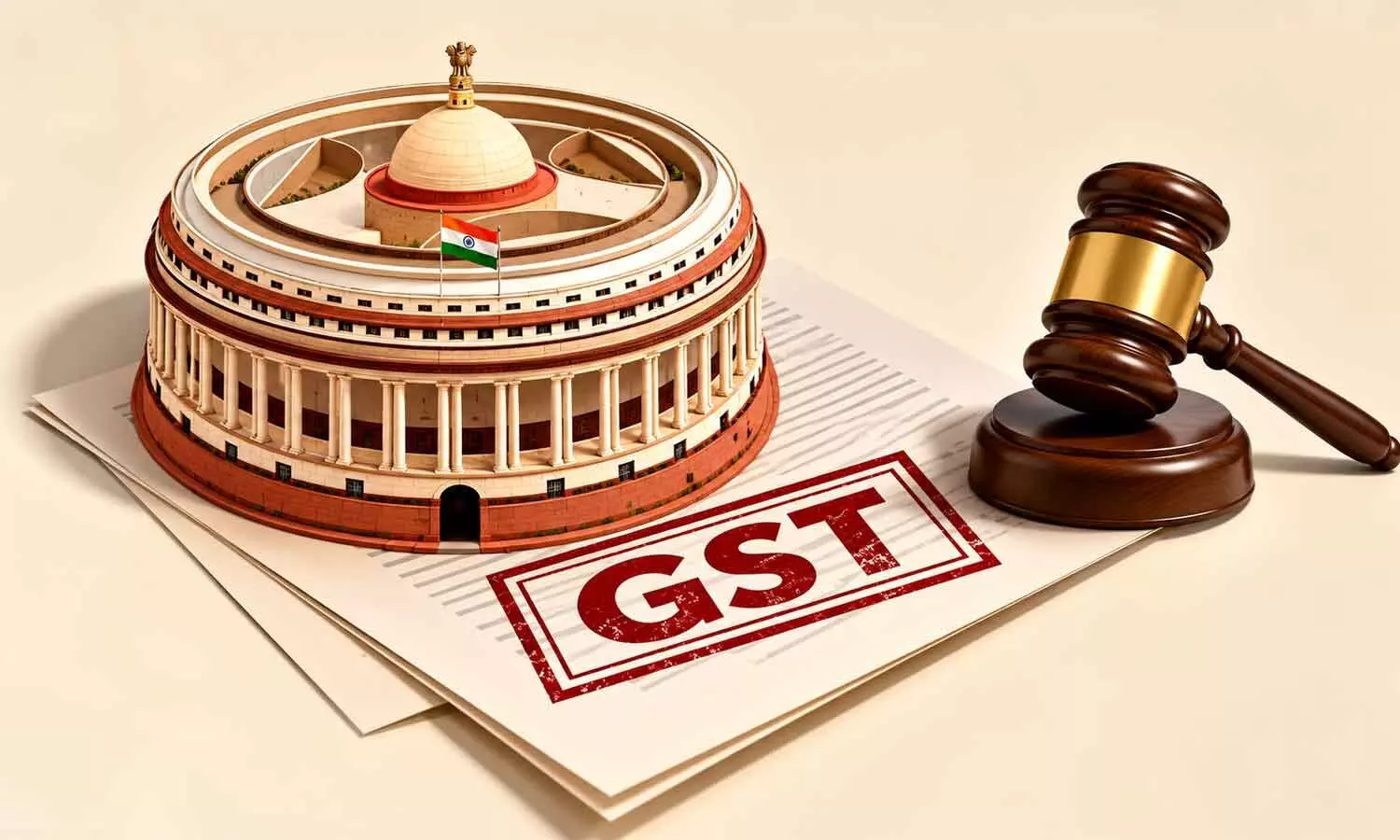
Decriminalising GST regime augurs well
The goods and services tax (GST) regime, which began in July 2017, is likely to undergo a major change: decriminalising offences under the indirect tax regime. The GST Council, the final decision-making body that comprises representatives from the Central and state governments, is expected to deliberate over the matter. If the revamp is accepted, it will be a boost for the business and trading communities. The objective behind the proposal is to boost investor sentiment and allay concerns about overreach by tax authorities. The federal body has reportedly held several meetings over the last eight to nine months. The extant criminalisation provisions are detested in trading and industrial circles.
Arrests of a few high-profile persons in the recent past have been widely criticised. The government wants GST frauds to be penalised under the criminal code, the Bharatiya Nyaya Sanhita. It is not that there are no legal safeguards against the abuse of powers by GST authorities. Sub-section (1) of Section 69 of the CGST Act merely requires “reasons to believe” a person’s culpability are not enough; there must be credible material and evidence to back that belief; mere suspicion is not sufficient.
The industry’s experience, however, is different; business representatives have highlighted instances of harassment, especially in the services sector. It must be noted that arrest powers under GST laws were flagged by several states earlier, too; in fact, even before the indirect tax regime came into force. In December 2016, the Maharashtra Additional Chief Secretary had pointed out in the fifth GST Council that the power of arrest and confiscation was at variance with the concept of ease of doing business. Just before the GST rollout, the then Bengal chief minister Mamata Banerjee had opposed the arrest clause.
“I am shocked to find that the GST rules contain a rather draconian arrest clause, which can lead to major harassment of businesses, particularly small and medium traders. Some sections are even non-bailable,” she said, as traders across Bengal went on a strike against the implementation of GST and vented their ire at this specific clause. It was just a politician trying to score a point; small and medium traders, who have been among the Bharatiya Janata Party’s core constituencies, were also shocked by the criminalisation provisions.
It is a sad commentary on the Narendra Modi government’s responsiveness to the concerns of a large section of its main supporters; it took the policy and decision makers nine years to realise that wealth creators have suffered because of an anti-business provision in a major reform that it has been peddling as a big success ever since the GST rollout. The irony is obvious: a government that has repeatedly emphasised the importance of ease of doing business has allowed a regime to persist in which businessmen and entrepreneurs have had to contend with the threat of arrest, prosecution, and prolonged legal battles over tax-related disputes.
Such provisions not only undermine confidence among existing businesses but also discourage prospective investors, particularly smaller enterprises that lack the financial resources and legal expertise to defend themselves against the state’s might. Criminalisation provisions create an atmosphere of fear and distrust between tax authorities and the business community; they empower crooked officials to weaponise these provisions. The government’s belated willingness to reconsider these provisions is, therefore, welcome.
MPs vs Police. Chaos and High Drama Unfold on Delhi Roads
Henri Kagan, Kenso Soai Win 2026 Nobel Chemistry Prize for Autocatalysis
AP cabinet approves 12 agenda items
High Courts should not suggest custodial interrogation of accused, says Supreme Court
Telangana govt issues orders on DA hike
“We Will Do It”: I Live for a Mission, Not Personal Gains — PM Modi


