






Why IBS and Anxiety Are Rising Among Students?

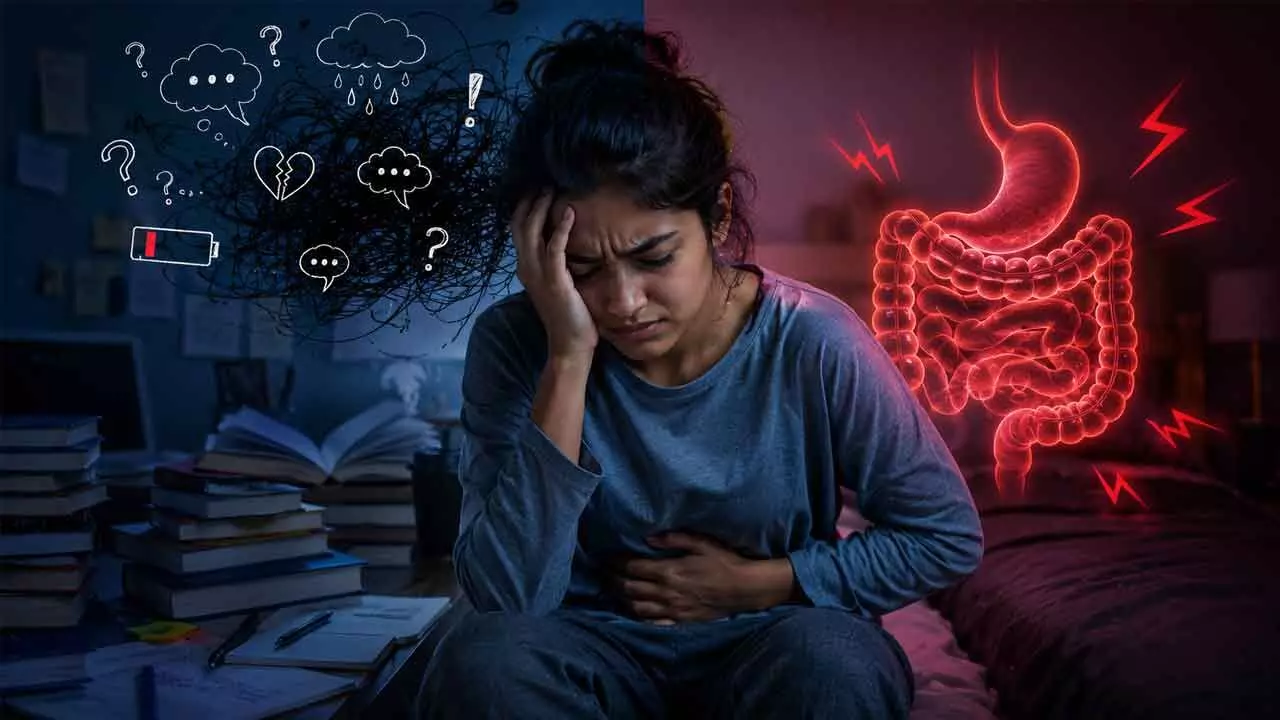
Dr. Amit Mittal (Marengo Asia Hospitals) explains the rising incidence of Irritable Bowel Syndrome (IBS) and anxiety among students. Discover how academic pressure, poor sleep, and dietary habits disrupt the gut-brain axis, and learn critical red flag symptoms that require a doctor's care.
In the few years doctors have seen a lot of students complaining about stomach problems and feeling anxious. Many students have stomach pain feel bloated have bowel movements do not sleep well feel tired and have stomach problems when they are stressed. This is happening because students are under a lot of pressure to do well in school they do not eat well they spend much time on their phones and they are emotionally stressed. One of the common problems students have is Irritable Bowel Syndrome.
Irritable Bowel Syndrome is a problem that affects the stomach and the brain. Students with Irritable Bowel Syndrome have stomach pain feel bloated have bowel movements are constipated, have diarrhea or feel like they have not finished going to the bathroom even after they have. Many students say their symptoms get worse when they have exams, interviews or presentations. This is important because the stomach and the brain are connected. When students are stressed it can affect their stomach. Make them feel sick.
One of the reasons students have Irritable Bowel Syndrome and anxiety is because of academic stress. Students today have to compete with each other study for hours and worry about not doing well. This stress can affect their system. Also students are using their phones and computers much, which can disrupt their sleep. When students do not sleep well it can affect their stomach health. Not sleeping well can also change the bacteria in their stomach. Make them more anxious.
The way students eat has changed a lot in the ten years. Many students eat junk food, soft drinks and instant meals which can cause stomach problems. They also do not eat at times, which can make their symptoms worse. Not eating breakfast. Not eating for long hours while studying can make things worse for some students. Another problem is that students do not exercise enough. Sitting for hours not playing outside and not exercising can affect their bowel movements and make them more stressed.
Social media is also a problem for students. They compare themselves to their friends worry about missing out worry about how they look and feel pressure to be online. This can cause stress, which can affect their stomach. Many students have anxiety and Irritable Bowel Syndrome at the time and one can make the other worse. This can affect their quality of life. How well they do in school.
Even though Irritable Bowel Syndrome is not usually life-threatening there are some symptoms that should not be ignored. If students lose weight without trying have blood in their stool vomit all the time have a fever have diarrhea at night feel very weak or have symptoms that last for a time they should see a doctor.
To feel better students need to make some changes in their life. They need to sleep eat healthy food drink enough water, exercise and not eat too much junk food or drink too much caffeine. They also need to find ways to manage their stress, such, as doing yoga, meditating or talking to a counselor. If students see a doctor early they can get help. Not suffer for a long time.
Irritable Bowel Syndrome should not be. Anxiety should not be taken lightly. Mental and stomach health are connected. Parents, teachers and doctors need to be aware of this problem so they can help students who are affected.
(The author is Dr Amit Mittal Clinical Director and HOD – Gastroenterology , Marengo Asia Hospitals Gurugram)
Shivakarthik Danda journey: From Guntur to Tollywood’s most promising character actor
HIMSHIKHAR 2026, IIT Mandi and NSDC collaboration setting new NEP standard
Congress to launch 3-month national campaign against inflation, exam scams
Why Indian Cuisine Is Becoming a Mainstream Choice in the American Dining Scene
Vivo X500 Series Leak Hints at Bigger Battery, New Chipsets and Enhanced Cameras
Iran Declares closure Of Strait Of Hormuz After Fresh US military strikes


