






Integrate AI and Robotics into Civil and Mechanical Courses, Urges Former NITK Chairman

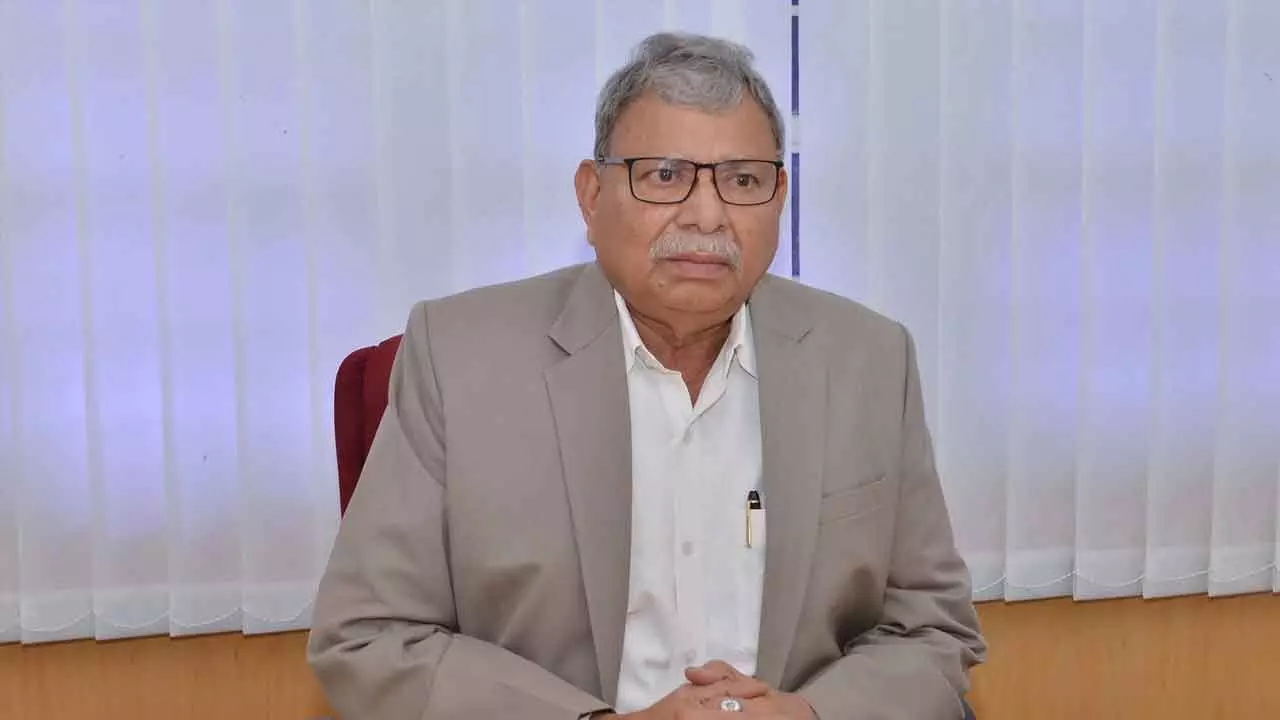
Former VTU Vice-Chancellor Dr. K. Balaveera Reddy urges the Karnataka Government to reconsider proposed reductions in Computer Science engineering intake, advocating for curriculum modernization to sustain Karnataka's leadership in the global tech sector.
Bengaluru: Dr. K. Balaveera Reddy, Former Chairman of the Board of Governors, NITK Surathkal, Former Vice-Chancellor of VTU, Karnataka, and Former Director of Technical Education, Karnataka, has submitted a representation to the Government of Karnataka regarding the Draft Engineering Seat Matrix for the academic year 2026-27, issued vide Government Notification No. ED 101 TEC 2026 dated 30.05.2026.
While appreciating the Government’s efforts to ensure quality and balanced growth in technical education, Dr. Reddy has urged policymakers to carefully evaluate the long-term implications of reducing intake in Computer Science and allied engineering programmes.
Highlighting Karnataka’s position as a national leader in professional and technical education, Dr. Reddy said ,”Bengaluru is globally recognized as the Silicon Valley of India, the IT Capital of India, the Startup Capital of India, and a major hub for innovation, research, entrepreneurship, biotechnology, electronics, and emerging technologies. The state continues to attract multinational corporations, Global Capability Centres (GCCs), startups, unicorns, and technology enterprises operating in areas such as Artificial Intelligence, Machine Learning, Data Science, Cybersecurity, Cloud Computing, Robotics, Semiconductor Design, and Digital Transformation.”
Dr. Reddy emphasized that Karnataka’s technological leadership has been built on the availability of a large pool of highly skilled engineering graduates. He cautioned that any blanket reduction in Computer Science and allied programme intake could adversely impact the state’s ability to sustain its leadership in technology, innovation, and digital transformation, while potentially diverting future investments and opportunities to competing states.
Dr. Reddy further observed that industry demand is evolving rather than declining. While core disciplines such as Civil, Mechanical, Electrical, and Electronics Engineering remain critical to national development, they are increasingly integrating with Artificial Intelligence, Automation, Data Analytics, Smart Manufacturing, Electric Vehicles, Smart Infrastructure, Robotics, and Industry 4.0 technologies. He stressed that this transition calls for curriculum modernization and interdisciplinary education rather than restrictions on admissions.
Referring to the Deputy Chief Minister D. K. Shivakumar’s vision of “Yuva Yuga”, which emphasizes employment generation, skill development, entrepreneurship, career guidance, and industry-linked opportunities for youth, Dr. Reddy stated that strengthening technical education aligns closely with the state’s broader development objectives.
Concluding his representation, Dr. Reddy stated that Karnataka has earned its reputation as India’s foremost technology and knowledge hub through visionary investments in education and innovation. To preserve and strengthen this leadership, the state should continue expanding opportunities for students while simultaneously enhancing quality and employability standards.
Dr. Reddy has respectfully requested the Government of Karnataka to consider these observations and suggestions while finalizing the Engineering Seat Matrix for the academic year 2026-27.
Priyank Kharge seeks transparency from RSS, questions legal status and funding sources
Family disputes turn deadly in Odisha, two men killed by kin in separate incidents
Cyberabad Monsoon Teams Address Waterlogging and Overflowing Drains
PM Modi, Slovak counterpart Fico explore new avenues of cooperation in several sectors
Infosys Co-Founder Backs View on Why India Has Not Produced a ChatGPT Rival
Sensex soars 736 points as US-Iran peace deal boosts market sentiment
Nitin Gadkari inaugurates Northeast Infrastructure Summit in Shillong
Missile Strikes, Deaths And Unanswered SOS Calls Raise Alarm In Gulf Crisis
IIIT Bangalore Hosts Fire Safety Awareness and Emergency Preparedness Program
India ‘A’ docked 10 runs as penalty for running on the pitch against Sri Lanka ‘A’


