






- Claude Users Can Work Across Google Docs, Sheets and Slides In-App
- Rapido Ride Turns Into Nightmare After Captain Flees With Injured Passenger
- 7 Must-Watch OTT Releases For Your Dussehra Holidays
- ‘His Lips Turned Blue’: Dentist Recalls 45-Minute Effort To Save Flydubai Pilot Smit Machchhar
- Airtel Postpaid Plans Bring Free International Roaming From Rs 499
- 'Politics means nation building to him': Rajnath Singh on PM Modi's 25 years in public service
- 'Rising Together': India sets out vision for 2036 Olympic and Paralympic Games ambition
- Teja Sajja’s The Traitors Telugu: Check Out The Complete List Of Contestants
Beyond training: How coaches shape athletes
In Short
Training is more than repeating drills or preparing for a competition. Coaches observe how athletes perform, identify areas for improvement and help them develop better techniques

Share :
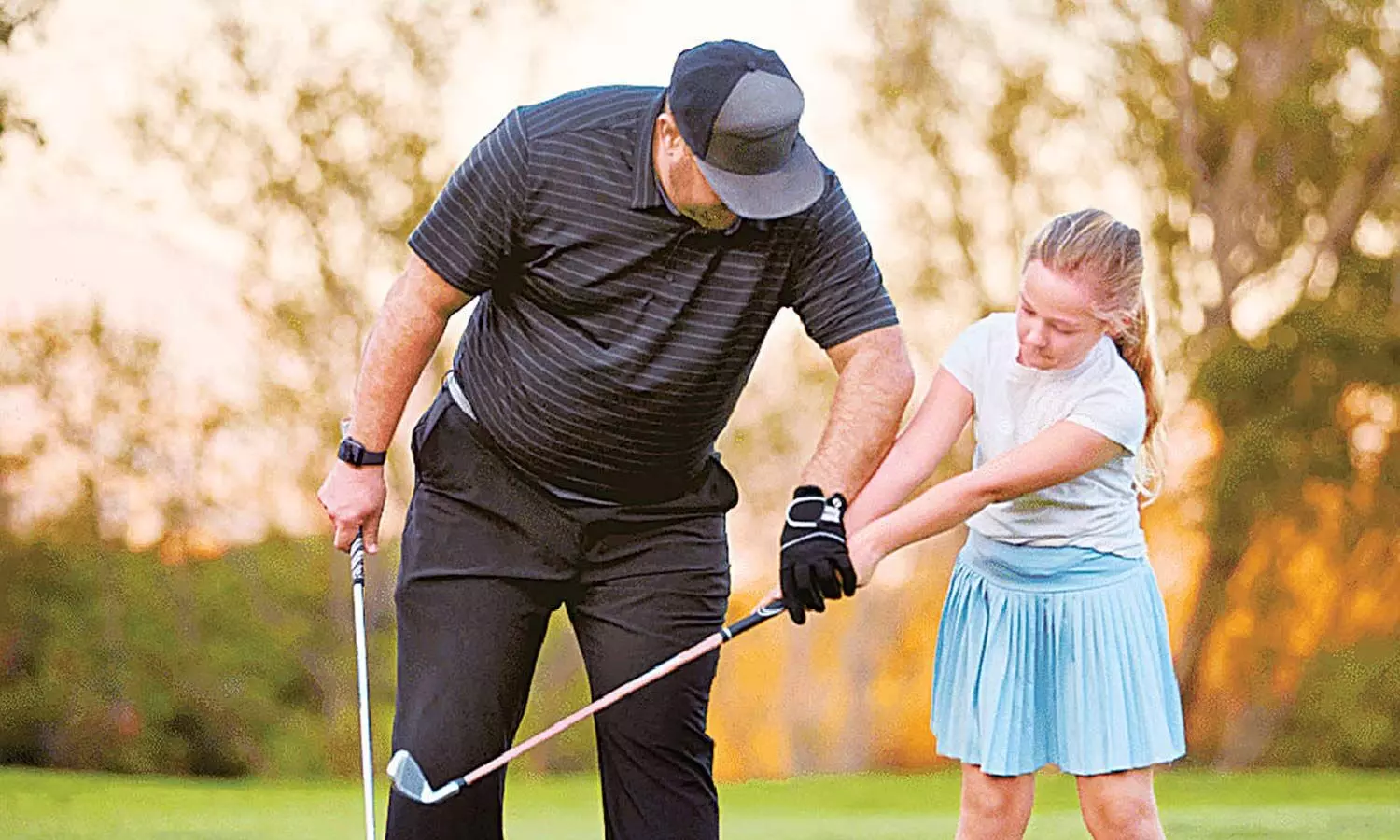
Beyond training: How coaches shape athletes
Behind every athlete’s performance is often a coach who helps turn ability into discipline, effort into consistency and challenges into opportunities to improve. Coaches play an important role in sports by guiding athletes not only in developing physical skills but also in understanding teamwork, responsibility and sportsmanship.
Training is more than repeating drills or preparing for a competition. Coaches observe how athletes perform, identify areas for improvement and help them develop better techniques. They also encourage players to understand the importance of preparation, fitness, concentration and regular practice. One of the most important qualities a coach can develop in an athlete is resilience. Sports naturally involve victories and setbacks. A lost match, missed opportunity or poor performance can be difficult for a young athlete. A coach can help students understand that setbacks are part of learning and encourage them to examine what went wrong and work towards improvement. Teamwork is another important lesson. In team sports, individual ability is only one part of performance. Athletes need to communicate, trust one another, respect different roles and work towards a common objective. Coaches help create an environment where these qualities can develop through training and competition.
Good coaching also extends to sportsmanship. Respecting opponents, accepting decisions, following rules and responding to both victory and defeat with maturity are important aspects of participating in sport. These lessons can remain valuable beyond the playing field. For young athletes, a coach can also become an important source of guidance and encouragement.
Not every athlete progresses at the same pace, and coaches may need to understand individual strengths, challenges and learning styles.
MPs vs Police. Chaos and High Drama Unfold on Delhi Roads
Henri Kagan, Kenso Soai Win 2026 Nobel Chemistry Prize for Autocatalysis
AP cabinet approves 12 agenda items
High Courts should not suggest custodial interrogation of accused, says Supreme Court
Telangana govt issues orders on DA hike
“We Will Do It”: I Live for a Mission, Not Personal Gains — PM Modi


