






Irregular heartbeats: Recognising rhythm disorders early

Irregular heartbeats: Recognising rhythm disorders early
Recognising irregular heartbeats early can help detect arrhythmias and prevent serious complications, while advanced treatments like leadless pacemakers offer improved comfort and recovery for eligible patients.
Bengaluru: Heart rhythm disorders are often associated with major events, but sometimes, the earliest signals can be subtle, such as an irregular beat, a brief flutter, or a momentary racing pulse. These symptoms may point to arrhythmias, a condition in which the heart beats too fast, too slowly, or irregularly. While not every irregular heartbeat is dangerous, symptoms that are new, persistent, or concerning should be assessed by a qualified healthcare professional.
This is especially relevant in India, where cardiovascular disease remains a significant public health challenge. According to the WHO, cardiovascular illnesses, affect millions of people globally each year. Arrhythmia can affect individuals at any age, though older adults are more likely to experience it, with both incidence and frequency increasing sharply over time . In fact, it is estimated that up to 60% of older adults may experience some form of arrhythmia . Within this broader cardiovascular burden, rhythm disorders deserve greater attention because they can sometimes be overlooked or mistaken for stress, exhaustion, or lifestyle-related fatigue.
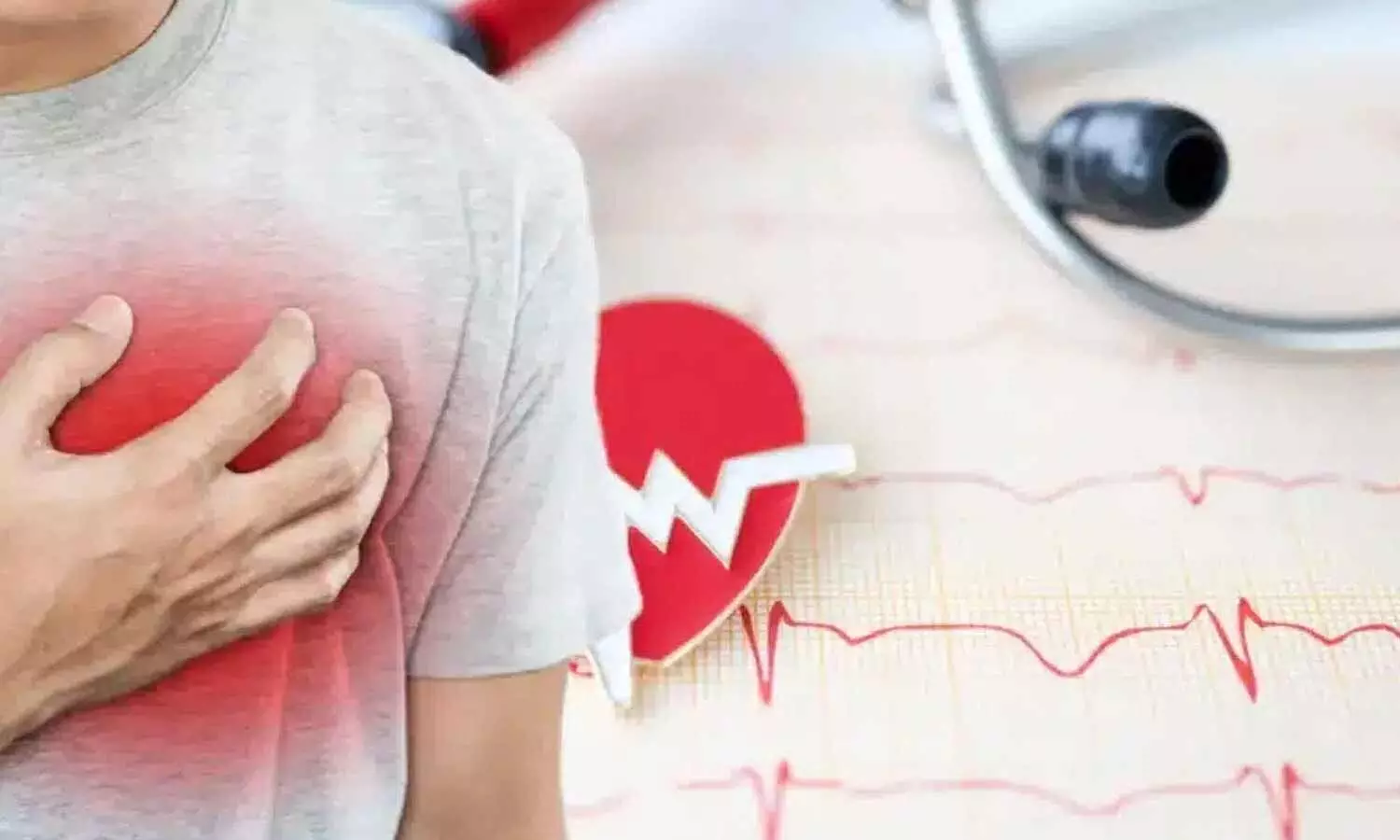
Arrhythmias occur when the heart’s electrical system does not function normally, causing the heart to beat too fast (tachycardia), too slow (bradycardia), or irregularly, as seen in atrial fibrillation. Some arrhythmias may cause noticeable symptoms such as palpitations, breathlessness, fatigue, dizziness, or fainting, while others can remain silent and only be detected during a medical evaluation.
While not all irregular heartbeats are dangerous, some can increase the risk of serious complications such as stroke, heart failure, or even sudden cardiac arrest if left untreated. That’s why it’s important to listen to your body. If something feels off - especially if symptoms are new or persistent - seeking medical advice early can make all the difference in protecting your long-term cardiovascular health.
Treating arrhythmias is not one-size-fits-all approach. The right course of action depends on the type of rhythm disorder, its severity, and the individual patient. In some cases, simple lifestyle changes or medications may be enough to restore a healthy rhythm. In others, doctors may recommend specialised procedures to correct abnormal electrical signals or even implant a device that helps the heart maintain a regular beat.
Pacemakers have long been an established treatment option, particularly when the heart beats too slowly or when electrical signals do not travel properly through the heart. Traditional pacemakers are usually placed under the skin in the upper chest and connected to the heart through thin, insulated wires called leads. This implantation method leaves a physical scar or bulge on the patient’s chest and around 1 in 8 patients may suffer from the device pocket and lead associated complications such as infection, lead dislodgement or fracture .
Today, advances in cardiac care are opening up new possibilities. For select patients, leadless pacemakers offer a more discreet, minimally invasive alternative. These tiny, self-contained devices - now available in India - are smaller than traditional pacemakers and implanted directly inside the heart using a catheter inserted through a vein in the leg. With no wires and no chest incision, they represent a significant step forward, designed to simplify treatment while improving comfort and recovery.
Ajay Singh Chauhan, General Manager for Abbott’s Cardiac Rhythm Management business in India, Southeast Asia, Hong Kong, Taiwan and Korea, said, “For people living with heart rhythm disorders, what matters most is timely, effective care that fits seamlessly into their lives and helps them return to normal quickly. At Abbott, we aim to simplify this journey from enabling earlier detection through monitoring that utilizes Artificial Intelligence (AI) to helping patients receive the advanced care for treating bradycardia disorders.
Innovations like leadless pacemakers are designed to reduce lead related and infection complications while supporting the potential for faster recovery and greater comfort. As awareness and diagnosis grow, we remain focused on expanding access to these advanced solutions and partnering with doctors to deliver care that is not only clinically effective, but truly patient-centric.
Dr. Abhijit Kulkarni, Senior Cardiologist at Apollo Hospital, Bangalore, said, “Each year, many people rely on pacemakers to manage heart rhythm conditions. While traditional devices are effective, leadless pacemakers offer a less invasive option—with no visible scars and fewer procedure-related risks. For the right patients, this could mean faster recovery, greater comfort, and a quicker return to daily life.
As more people look for treatment that fits their lifestyles, such innovations are especially valuable in India, where follow-up care can be challenging, helping simplify care and improve overall patient experience and outcomes.
Heart rhythm care is evolving with more tools to help physicians’ diagnosis and less invasive treatment options, such as leadless pacemakers that can offer greater comfort and convenience for eligible patients. However, the most critical step remains early action. Seeking timely medical advice can help identify issues early and open access to advanced treatments, improving quality of life and long-term heart health. Ultimately, greater awareness and proactive care are key to making the most of these advancements.


