






Patanjali study expands across Uttarakhand to document medicinal plants

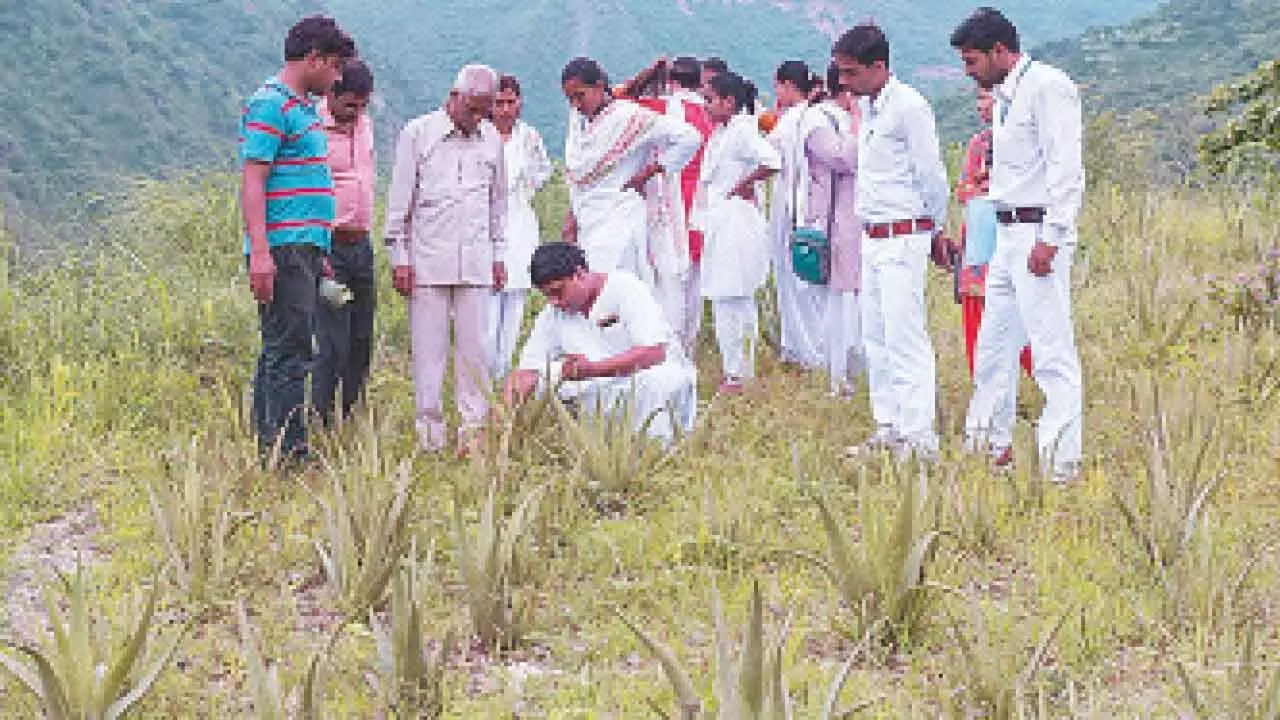
A large-scale initiative led by Patanjali Ayurved under the guidance of Acharya Balkrishna is expanding across all 13 districts of Uttarakhand to document medicinal plants and traditional healing knowledge of tribal communities. The project, which earlier identified around 1,011 medicinal plants in selected tribal regions, has now recorded nearly 1,300 species and continues to expand its database.
The research teams have conducted extensive village-to-village surveys across districts including Dehradun, Chamoli, Pithoragarh, and Udham Singh Nagar. Scientists and researchers have interacted directly with tribal communities to document indigenous medical practices passed down through generations. According to the initiative, 216 traditional healers (vaidyas) were identified and interviewed, leading to documentation of 238 medicinal plants based on their knowledge systems.
The study also involved “live tagging” of approximately 28,000 tribal families, a first-of-its-kind effort aimed at mapping traditional knowledge and linking communities with scientific research. Tribes such as Jaunsari, Bhotia, Tharu, and Buksa have contributed significantly to the findings.
Researchers reported that tribal communities use herbal remedies for a wide range of ailments including fever, diabetes, respiratory infections, joint pain, digestive disorders, kidney stones, and skin diseases. The initiative highlights the deep connection between biodiversity and traditional healthcare practices in the Himalayan region.
Officials involved in the project said the ongoing documentation effort may help create a comprehensive medicinal flora database for Uttarakhand, offering potential benefits for Ayurveda-based research, conservation, and rural healthcare development.
Infosys Co-Founder Backs View on Why India Has Not Produced a ChatGPT Rival
Sensex soars 736 points as US-Iran peace deal boosts market sentiment
Nitin Gadkari inaugurates Northeast Infrastructure Summit in Shillong
Missile Strikes, Deaths And Unanswered SOS Calls Raise Alarm In Gulf Crisis
IIIT Bangalore Hosts Fire Safety Awareness and Emergency Preparedness Program
India ‘A’ docked 10 runs as penalty for running on the pitch against Sri Lanka ‘A’


