






Monsoon health guide: Staying ahead of colds, coughs and allergies

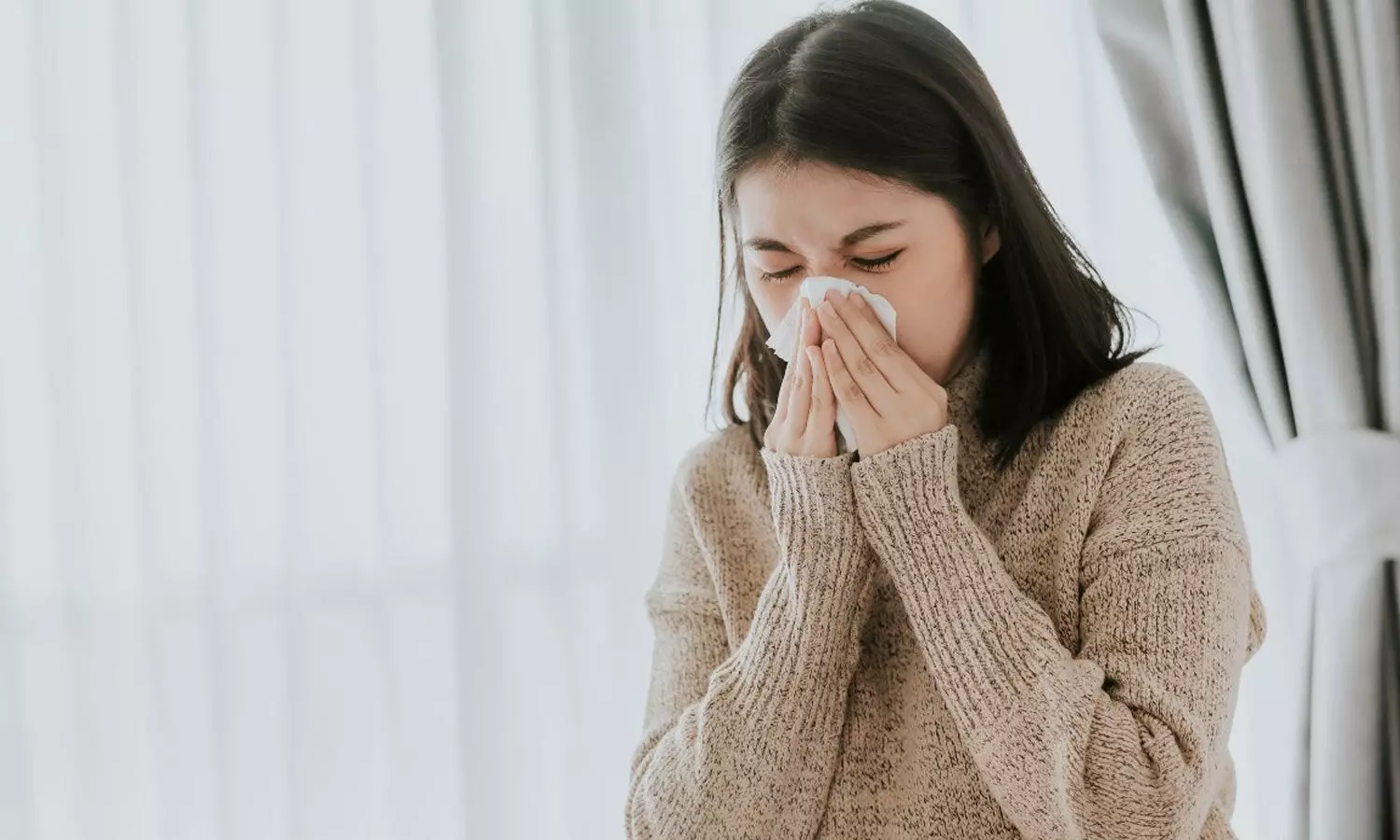
Monsoon health guide: Staying ahead of colds, coughs and allergies
The reason is because of how germs act in weather.
The monsoon shower makes everything feel a little more alive. The monsoon shower brings us relief from the heat. The monsoon shower also brings some problems. We get sniffles and sore throats and coughs that just will not go away. The monsoon shower makes our allergies act up for no reason at all.
Why Illness Spikes During the Rains
The reason is because of how germs act in weather. Water in the air allows viruses and bacteria to stay around for a time than they do in dry air. Also, when it is raining outside people often stay inside. Those enclosed, not well-ventilated areas help infections spread from one person to another. Dampness also helps mold and dust mites grow, which is not good, for people who have allergies. The good news is that most of this can be avoided if you add a habit to your daily routine.
Wash Your Hands, Often
It sounds basic, but washing your hands properly — before meals, after coming home, after sneezing or coughing, and after touching things like door handles or railings — cuts down your exposure to germs significantly. Keep a hand sanitizer around for times when soap and water aren’t an option.
Don’t Ignore Wet Clothes and Damp Spaces
Sitting around in a damp shirt after getting caught in the rain won’t give you a cold by itself, but it does wear down your body’s defenses over time. Dry off quickly, let your shoes and raincoats air out properly, and try to keep your living space free of lingering moisture, since damp corners are exactly where mould likes to grow.
Eat Well to Keep Your Immunity Up
What you eat matters a lot. Relying on fruits vegetables grains and enough protein helps keep your immune system working the way it should. Warm soups and herbal teas aren’t just nice on an evening they really help if your throat feels scratchy.
Watch Out for Allergy Triggers
Seasonal allergies tend to flare up during monsoon — sneezing fits, itchy eyes, a blocked nose, or a dry cough that lingers. Washing curtains and bedding regularly, dusting often, and wearing a mask in dusty areas can help. If you have asthma, stay extra cautious and keep in touch with your doctor during this season.
Don’t Skimp on Sleep
Sleep deserves more credit than it usually gets. Skimping on rest weakens your body’s ability to fight off infections, so a consistent sleep schedule, paired with light exercise or even a bit of yoga, goes a long way.
Be Mindful of Water Quality
The water quality is something that you should really pay attention to. This is because the flooding that happens during the monsoon season can get into the water supplies and make them dirty. So, it is an idea to drink water that has been filtered or boiled. You should also make sure to rinse your fruits and vegetables well. When it comes to food try to avoid eating at places that do not look clean. The water quality is very important so you should always be careful, with the water you drink. The food you eat.
Know When to See a Doctor
If symptoms like high fever, chest pain, or breathing trouble show up, don’t try to tough it out or reach for antibiotics on your own — most colds are viral, and a doctor’s advice is the safer route.
With a bit of care, the monsoon can stay what it’s supposed to be: a season to enjoy, not endure.
Next Story
NEET Paper Leak Fallout: Dharmendra Pradhan Steps Down as Education Minister, Says ‘I Never Shied Away From Responsibility’
AI Appreciation Day 2026: Trust and infrastructure emerge as the next frontier for AI, say experts
Few Takers for HILT Policy in Hyderabad Amid Low Response
Cockroach Janta Party Protest LIVE Updates: Demonstrators Assemble at Jantar Mantar
Fire breaks out at a building in Ameerpet of Hyderabad, fire brigade arrives
ED’s Vedanta raids raise questions about proportionality, perception


