






Cataract is no longer an old age disease: It’s hitting people at 40

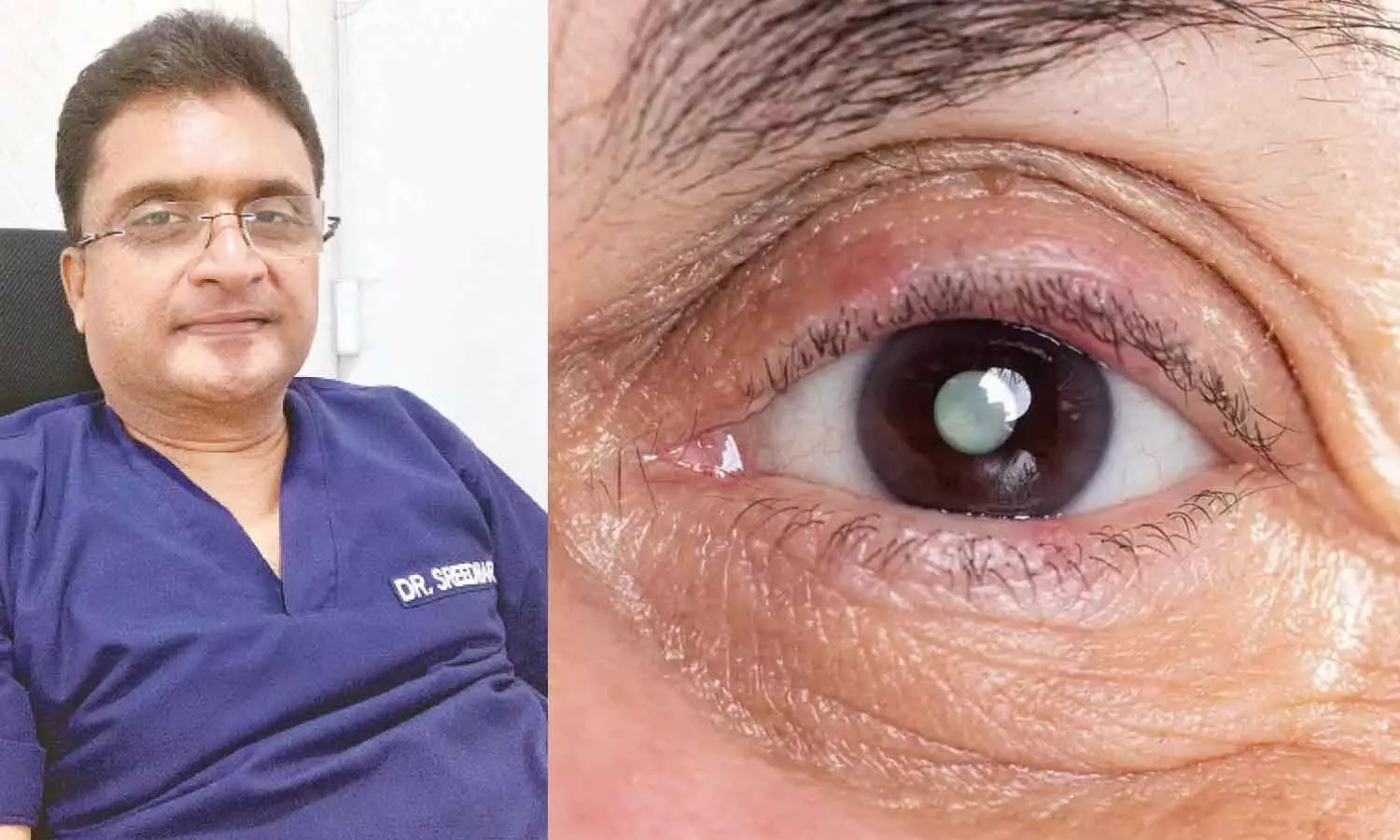
Cataract is no longer an old age disease: It’s hitting people at 40
Think cataracts are just for the elderly? Discover why younger adults are being diagnosed earlier, recognize the 5 key warning signs, and learn how 10-minute, stitchless surgery is transforming eye care in 2026.
"I thought cataracts happen at 70. I'm only 44." Eye specialists say this is a remark they are hearing more frequently from patients.
For decades, we told patients, "Cataract is an old-age problem. Come back after 60." That advice is now outdated.
Today, cataracts are increasingly being diagnosed in people in their 40s. The encouraging news is that, with advances in modern eye care, cataract surgery has become a quick, safe, and highly effective procedure that is often completed in about 10–15 minutes.
Why are cataracts coming earlier?
A cataract is simply the clouding of the eye's natural lens—much like a camera lens becoming foggy. Age remains the number one cause. However, several factors may contribute to cataracts developing earlier:
1. Diabetes: High blood sugar can damage lens proteins. People with diabetes may develop cataracts 10–15 years earlier than others.
2. UV and Heat Exposure: Farmers, drivers, construction workers, and others who spend long hours outdoors without UV-protective sunglasses may have a higher risk.
3. Steroid Use: Long-term use of steroid medications for conditions such as asthma, joint disorders, or skin diseases can increase the likelihood of cataracts.
4 Screen Glare and Lifestyle: Extended screen time, poor nutrition, smoking, and certain lifestyle factors may contribute to earlier cataract formation. Doctors are also seeing more cases of posterior subcapsular cataracts among younger professionals.
As a result, cataract surgery is now commonly performed on people in their 40s and 50s, including teachers, shopkeepers, office workers, and homemakers.
The 5 warning signs you're ignoring
Don't wait until the cataract becomes advanced. Watch for these common symptoms:
1. Blurred vision – Like looking through dirty or foggy glass, even with new spectacles.
2. Glare at night – Halos around vehicle headlights or difficulty driving after dark.
3. Colours appear dull – Whites may begin to look yellowish.
4. Frequent changes in spectacle power – Needing a new prescription every few months.
5. Needing brighter light to read – Reading becomes difficult in normal lighting.
If you notice two or more of these symptoms, it is advisable to schedule a comprehensive eye examination.
Myth vs fact
Myth: Cataracts should be allowed to "ripen" before surgery.
Fact: Surgery is recommended when cataracts begin affecting daily activities. Earlier surgery is often easier and recovery is generally quicker.
Myth: Eye drops can cure cataracts.
Fact: Currently, no eye drops or medicines can remove a cataract. Surgery remains the only effective treatment.
Myth: Cataract surgery is painful and requires a month of bed rest.
Fact: Modern cataract surgery is usually stitchless, takes around 10–15 minutes, and many patients resume normal activities within a few days.
Myth: Cataract surgery causes blindness.
Fact: Cataract surgery is among the safest and most commonly performed surgical procedures worldwide, with very high success rates when performed appropriately.
The 10-minute cure: what's new in 2026?
The days of large incisions, stitches, and prolonged recovery are largely over.
Modern cataract surgery has become minimally invasive, allowing faster recovery and improved visual outcomes for most patients.
Modern Surgery = Phaco + Foldable Lens
Today's standard treatment involves phacoemulsification (Phaco) combined with implantation of a foldable intraocular lens (IOL).
1. No stitches in most cases: A tiny incision of about 2.2 mm is made, which usually seals naturally.
2. Ultrasound technology: The cloudy lens is gently broken into tiny fragments and removed before inserting a clear artificial lens.
3. Quick recovery: Most patients return home within an hour and use prescribed eye drops for about three weeks.
The best part: You can choose your vision
Today's intraocular lenses are designed to suit different lifestyle needs.
· Monofocal IOL: Provides excellent distance vision but reading glasses may still be required.
· Toric IOL: Corrects cataracts along with astigmatism.
· EDOF or Trifocal IOL: Can reduce dependence on spectacles for both distance and near vision in suitable patients.
Today, cataract surgery is increasingly viewed not only as vision-restoring surgery but also as a refractive procedure that may reduce dependence on glasses for eligible patients.
Doctor's 3 tips
1. Wear UV-protective sunglasses whenever you are outdoors, even during winter. Think of them as sunscreen for your eyes.
2. If you have diabetes, schedule a dilated eye examination every year, even if your vision appears normal.
3. Avoid rubbing your eyes and never self-medicate with steroid eye drops unless prescribed by an eye specialist.
The bottom line
Cataracts are no longer seen only as an age-related condition. Lifestyle factors, diabetes, prolonged UV exposure, and certain medications are contributing to earlier onset in many people. The earlier cataracts are detected, the easier they are generally to treat and the better the chances of restoring clear vision.
(The author is Cataract & Refractive Surgeon Eye Prime Hospital)
NEET Paper Leak Fallout: Dharmendra Pradhan Steps Down as Education Minister, Says ‘I Never Shied Away From Responsibility’
AI Appreciation Day 2026: Trust and infrastructure emerge as the next frontier for AI, say experts
Few Takers for HILT Policy in Hyderabad Amid Low Response
Cockroach Janta Party Protest LIVE Updates: Demonstrators Assemble at Jantar Mantar
Fire breaks out at a building in Ameerpet of Hyderabad, fire brigade arrives
ED’s Vedanta raids raise questions about proportionality, perception


